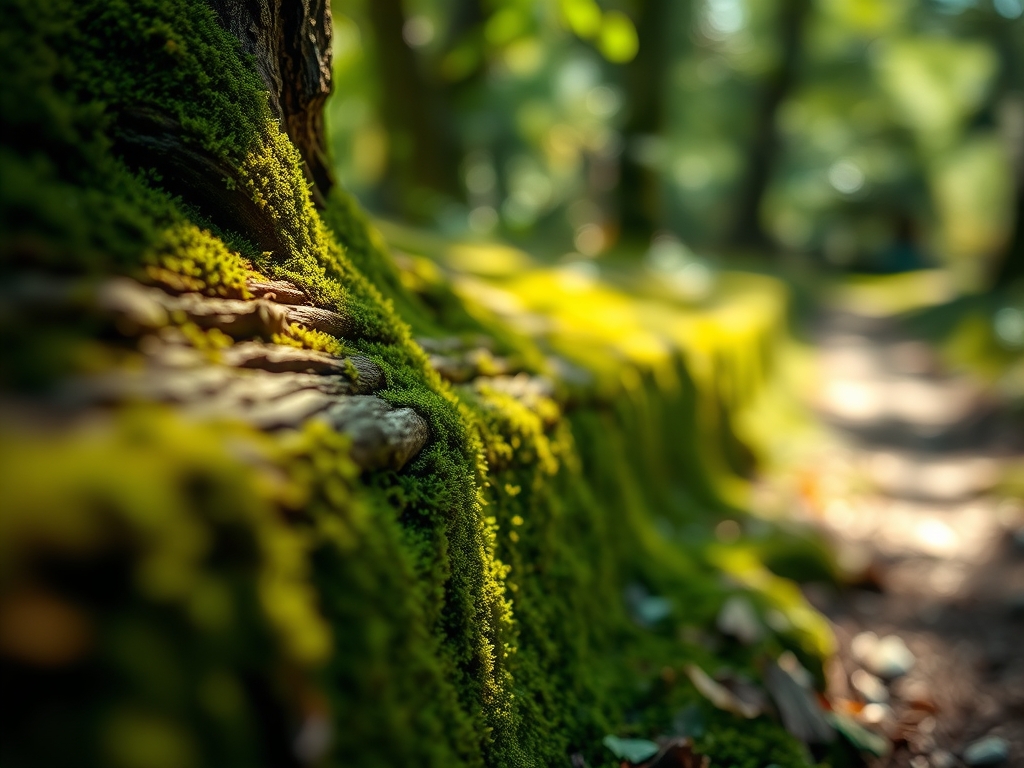
10 Serene Ways How to Design a Woodland Path
The scent of geosmin rises from the forest floor as decaying organic matter transitions into stable humus. Walking through a forest, you feel the spring of the soil underfoot; this is the result of high porosity and a thick O-horizon. Learning how to design a woodland path requires more than aesthetic placement. It demands an understanding of soil compaction, drainage, and the delicate rhizosphere of established trees. A successful path directs foot traffic to prevent root zone compression while maintaining the high moisture levels required for understory ferns and bryophytes.
Materials:

Substrate selection is the foundation of path longevity. For a woodland setting, the ideal soil is a **friable loam** with a pH range between **5.5 and 6.5**. This acidity supports the growth of ericaceous plants like rhododendrons that often border these trails. If the native soil is heavy clay, you must incorporate coarse sand or expanded shale to improve the Cation Exchange Capacity (CEC).
Nutrient management along the path margins should focus on a slow-release NPK ratio of 5-10-10. High nitrogen (the first number) can lead to excessive vegetative growth that lacks structural integrity, making plants susceptible to fungal pathogens in the humid shade. Use pine bark fines or arborist wood chips as the primary surfacing material. These materials decompose slowly, adding carbon to the soil while suppressing weed seeds that require light for germination. Ensure the mulch layer is kept at a 3-inch depth to regulate soil temperature and prevent moisture evaporation.
Timing:
Hardiness Zones 4 through 8 provide the most stable environments for woodland path construction. The primary window for installation is late autumn or early spring, specifically four to six weeks before the first or after the last frost. This timing aligns with the "Biological Clock" of the forest; plants are either entering dormancy or just beginning to break it.
During the transition from vegetative to reproductive stages, root systems are less sensitive to minor disturbances. Constructing a path during the heat of mid-summer increases the risk of plant senescence due to high evapotranspiration rates. Aim for a soil temperature of at least 50 degrees Fahrenheit before planting any border species to ensure immediate root establishment.
Phases:

Sowing and Site Preparation
Clear the path of invasive species and surface rocks. Avoid using heavy machinery that causes deep soil compaction. Excavate the top 4 inches of soil, being careful not to sever any tree roots larger than 2 inches in diameter.
Pro-Tip: When clearing, leave the native leaf litter in the surrounding beds. This preserves the mycorrhizal symbiosis between fungal hyphae and tree roots, which is essential for nutrient uptake in low-light environments.
Transplanting Border Species
When placing ferns, hostas, or sedges along the path, dig holes twice as wide as the root ball. Ensure the crown of the plant is level with the soil surface. Backfill with native soil mixed with 20 percent compost.
Pro-Tip: Space plants according to their mature width to avoid overcrowding. This maintains airflow and prevents auxin suppression, ensuring each plant has enough light to maintain apical dominance and healthy growth patterns.
Establishing the Path
Install a flexible edging material to keep mulch from migrating into the planting beds. Use a hand tamper to lightly compress the substrate. Water the entire area deeply to settle the soil and remove air pockets.
Pro-Tip: Use a winding design rather than straight lines. This mimics natural animal tracks and reduces the speed of runoff during heavy rain, preventing erosion. This design also utilizes phototropism, as plants will naturally lean toward the light gaps created by the path.
The Clinic:
Woodland plants are susceptible to specific physiological disorders caused by environmental stress.
Symptom: Yellowing of older leaves while veins remain green.
Solution: This is Interveinal Chlorosis, often caused by a Magnesium deficiency or high pH.
Fix-It: Apply magnesium sulfate (Epsom salts) at a rate of 1 tablespoon per gallon of water to lower the pH and provide essential micronutrients.
Symptom: Wilting despite moist soil.
Solution: This indicates Root Rot (Phytophthora), caused by poor drainage and anaerobic soil conditions.
Fix-It: Increase soil porosity by incorporating perlite or coarse grit and reduce watering frequency.
Symptom: Brown, crispy leaf margins on ferns.
Solution: Low humidity or high salt accumulation from synthetic fertilizers.
Fix-It: Switch to organic fertilizers and ensure the area receives at least 1 inch of supplemental water during dry spells.
Maintenance:
Precision maintenance ensures the path remains functional and the surrounding flora thrives. Use a soil moisture meter twice weekly to check levels at a depth of 6 inches. Woodland gardens typically require 1.5 inches of water per week delivered at the drip line of the plants.
Use a hori-hori knife for precise weeding; this tool allows you to extract taproots without disturbing the surrounding soil structure. Prune overhanging branches with bypass pruners to maintain a clear walking height of 7 feet. Always make cuts at a 45-degree angle just above a lateral bud to encourage healthy regrowth. In the fall, refresh the mulch layer but avoid "mulch volcanoes" around tree trunks, which can lead to bark decay and pest infestation.
The Yield:
If your woodland path includes edible species like ramps (Allium tricoccum) or ostrich ferns (Matteuccia struthiopteris), timing is critical. Harvest ramps when the leaves are fully expanded but before the plant enters the reproductive flowering stage. For ostrich ferns, harvest the "fiddleheads" when they are no more than 2 to 6 inches tall.
Use a sharp knife to cut the stems at the soil line. To maintain "day-one" freshness, immediately submerge the harvest in 40-degree Fahrenheit water to reduce the field heat and maintain turgor pressure. Store in a high-humidity crisper drawer at 34 to 38 degrees Fahrenheit. Never harvest more than 30 percent of a wild colony to ensure the stand remains sustainable for future seasons.
FAQ:
How wide should a woodland path be?
A width of 36 to 48 inches allows two people to walk side-by-side. For a more intimate, single-file experience, 24 inches is sufficient. Ensure the path is wide enough to prevent trampling the delicate rhizosphere of border plants.
What is the best mulch for forest trails?
Arborist wood chips are superior because they contain a mix of bark, sapwood, and leaves. This diversity supports a wider range of soil microbes and decomposes slowly, providing a stable, non-slip walking surface that resists compaction.
How do I stop weeds on my path?
Maintain a consistent 3-inch layer of organic mulch. This prevents light from reaching the soil surface, inhibiting weed seed germination. For persistent weeds, use a flame weeder or manual extraction with a hori-hori knife to avoid chemical runoff.
Can I use gravel for a woodland path?
Gravel is generally discouraged in woodland settings. It can shift the soil pH toward alkaline and does not integrate with the natural organic cycle. Stick to organic materials that mimic the natural forest floor and support the local ecosystem.