5 Clever Ways How to Make Upcycled Garden Decor
The smell of damp earth and the crisp turgor of a healthy leaf define the success of a functional landscape. Integrating discarded materials into this environment requires more than an aesthetic eye; it demands an understanding of how these structures interact with the rhizosphere and local microclimates. Learning how to make upcycled garden decor involves repurposing high-density polyethylene, weathered hardwoods, and galvanized metals into vessels that support plant physiology while minimizing environmental waste.
Effective upcycling is a technical exercise in drainage, thermal mass, and chemical stability. A rusted steel bin provides excellent heat retention for thermophilic species, yet it requires precise modifications to prevent root rot through anaerobic conditions. Every object introduced to the garden must serve the biological needs of the flora. This guide focuses on the intersection of structural engineering and horticultural science to ensure your upcycled additions enhance rather than hinder plant health.
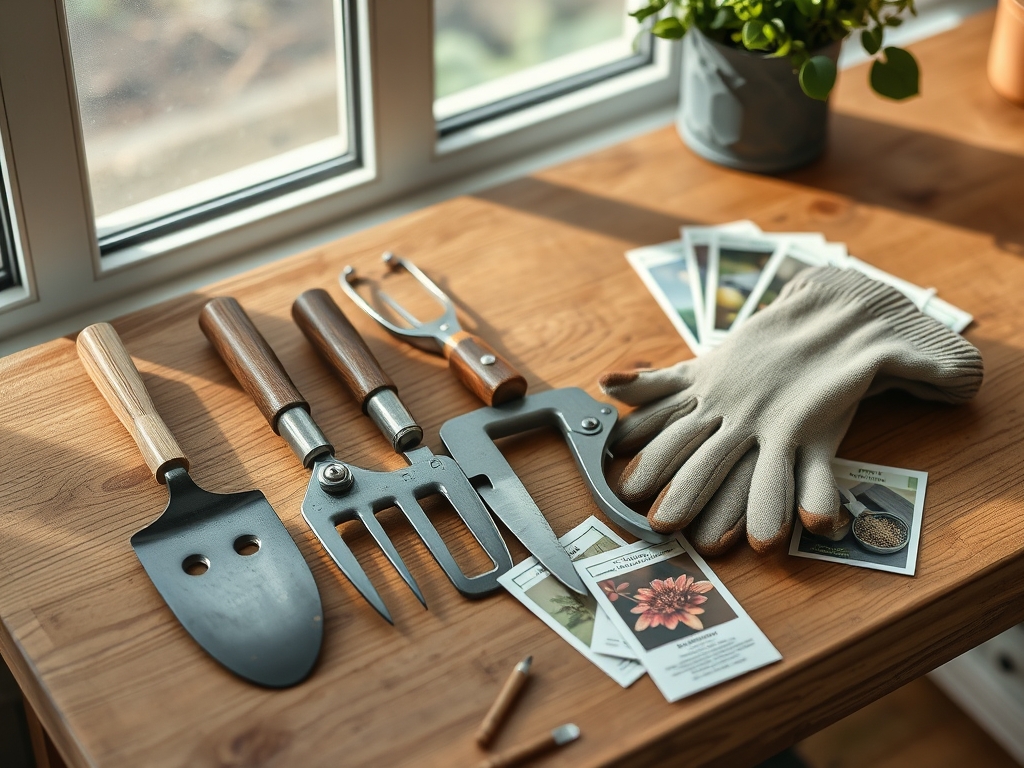
Materials:
The substrate is the foundation of any upcycled container project. For most ornamental and edible crops, aim for a friable loam with a pH range of 6.2 to 6.8. This range ensures optimal nutrient availability by maximizing the Cation Exchange Capacity (CEC). High CEC allows the soil to hold onto essential positively charged ions like calcium and magnesium.
When filling upcycled planters, use a customized nutrient profile. A standard 10-10-10 NPK ratio (Nitrogen, Phosphorus, Potassium) provides a balanced start for vegetative growth. However, for flowering decor, shift to a 5-10-10 ratio to prioritize root development and bloom induction over excessive foliage. Ensure the substrate contains at least 20 percent perlite or coarse sand to facilitate oxygen diffusion to the root zone.
Timing:
Successful installation depends on the USDA Hardiness Zone and the specific photoperiod requirements of your cultivars. In Zones 5 through 7, upcycled projects involving perennial transplants should be completed at least six weeks before the first hard frost. This window allows the root system to establish before the plant enters dormancy.
The biological clock of the plant dictates the transition from vegetative to reproductive stages. For upcycled trellises or supports, install them when the plant is in its early vegetative phase, typically when it reaches four to six inches in height. This prevents mechanical damage to the vascular tissue that occurs when trying to train mature, lignified stems.
Phases:
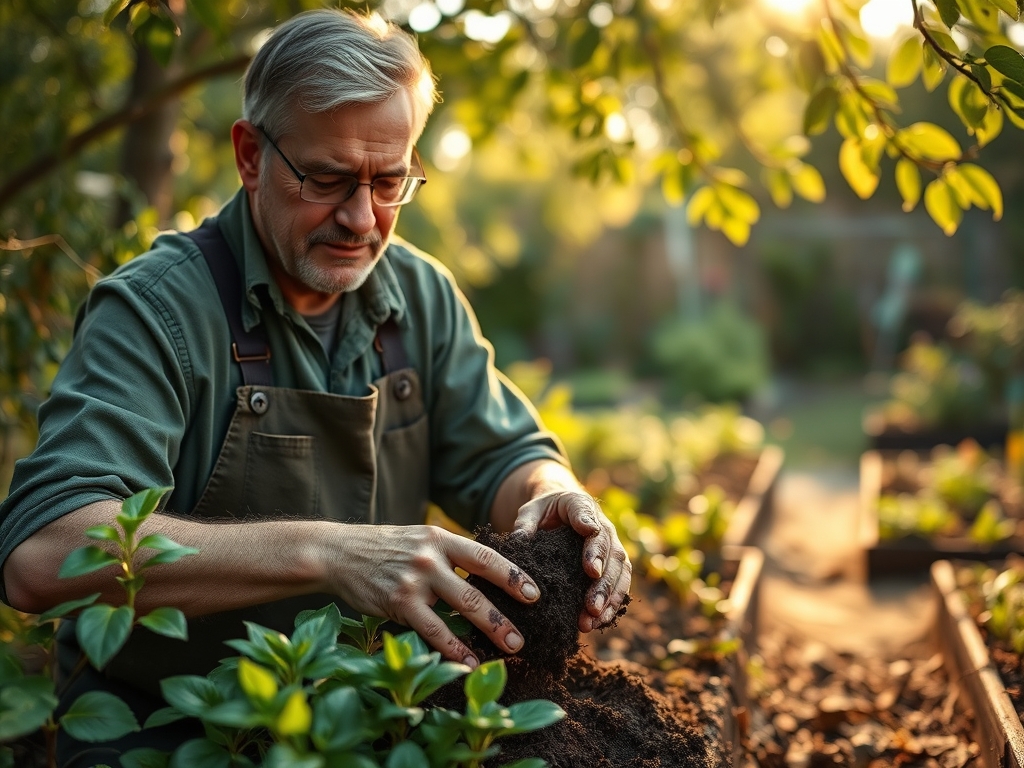
Sowing and Preparation
Prepare your upcycled vessel by drilling drainage holes at the lowest point of the container. For metal basins, drill 0.5-inch holes every four square inches. Line the bottom with a geotextile fabric to prevent fine soil particles from leaching out.
Pro-Tip: Ensure the container color matches the plant's light needs. Darker materials absorb more solar radiation, increasing soil temperatures by up to 15 degrees Fahrenheit, which can lead to thermal stress in cool-season crops.
Transplanting
When moving a plant into an upcycled feature, maintain the integrity of the root ball. Dig a hole twice the width of the root mass. Position the plant so the crown is level with the soil surface to prevent stem rot.
Pro-Tip: Dust the root zone with mycorrhizal fungi during transplanting. This symbiotic relationship extends the root's reach, improving water uptake and phosphorus absorption through a biological network that outperforms standard root hairs.
Establishing
Monitor the turgor pressure of the leaves daily for the first 14 days. Upcycled wooden crates or porous ceramics may wick moisture away from the soil faster than plastic. Use a soil moisture meter to ensure the root zone remains consistently damp but not saturated.
Pro-Tip: To encourage bushier growth in upcycled planters, practice auxin suppression by pinching off the terminal buds. This redirects growth hormones to lateral buds, creating a fuller silhouette and increasing the number of flowering sites.
The Clinic:
Physiological disorders often manifest as physical deformities in the foliage or fruit. Identifying these early is critical for maintaining the health of your upcycled garden.
Symptom: Interveinal chlorosis (yellowing between green veins) on new growth.
Solution: This indicates an Iron deficiency, often caused by a pH above 7.0. Lower the pH using elemental sulfur or chelated iron drench.
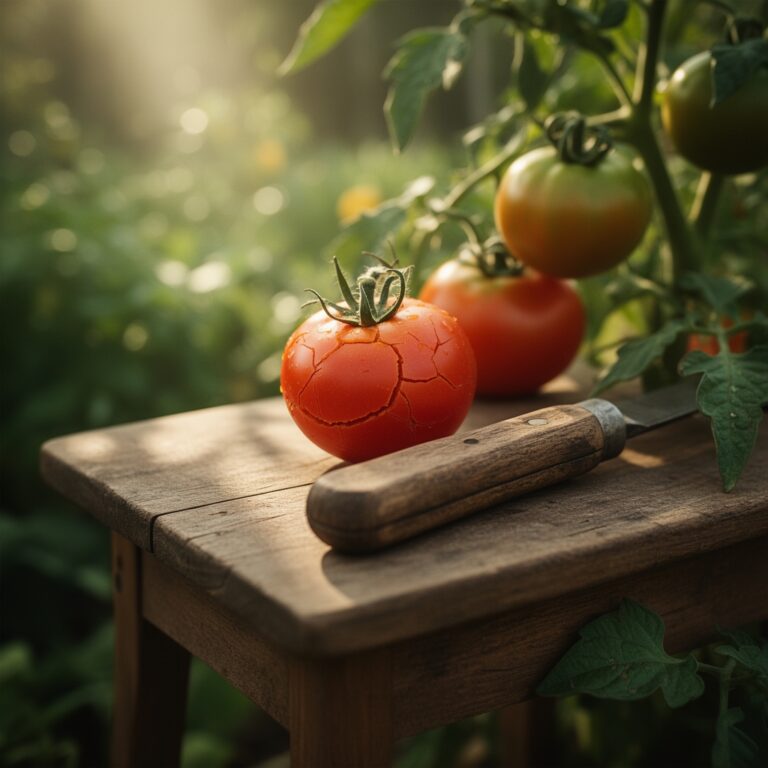
Symptom: Blossom end rot on fruit.
Solution: This is a Calcium deficiency usually triggered by inconsistent moisture levels. Maintain steady irrigation to ensure calcium ions can move through the xylem.
Symptom: Purple tinting on the underside of older leaves.
Solution: This signals a Phosphorus deficiency. Apply a high-phosphorus bone meal or a 0-20-0 fertilizer to the soil surface and water in thoroughly.
Fix-It for Nitrogen Chlorosis: If the entire leaf turns pale green or yellow, the plant lacks nitrogen. Apply a quick-release high-nitrogen fertilizer (20-0-0) to restore chlorophyll production and stimulate vegetative vigor.
Maintenance:
Precision is the hallmark of a professional horticulturist. Most upcycled containers require 1.5 inches of water per week delivered directly at the drip line to avoid wetting the foliage, which can invite fungal pathogens. Use a hori-hori knife to remove deep-rooted weeds that compete for nutrients within the confined space of a planter.
Pruning is essential for airflow and light penetration. Use bypass pruners to make clean, 45-degree cuts just above a node. This technique promotes rapid healing and prevents the dieback associated with blunt crushing from anvil-style shears. Check the structural integrity of upcycled wood every season; replace any components showing signs of advanced fungal decay to protect the plant's rhizosphere.
The Yield:
When harvesting from upcycled edible gardens, timing is determined by sugar and starch levels. Harvest leafy greens in the early morning when turgor pressure is at its peak and temperatures are lowest. This prevents wilting and preserves the crisp texture of the cell walls.
For flowers grown in upcycled decor, cut the stems when the buds are 50 percent open. Use a sharp blade to avoid collapsing the vascular bundles. Immediately plunge the stems into 100-degree Fahrenheit water to remove air bubbles from the xylem; this ensures maximum hydration and "day-one" freshness for several days.
FAQ:
How do I prevent rust from upcycled metal planters?
Apply a food-safe clear coat to the interior and exterior. Ensure drainage holes are sanded smooth to prevent water from pooling in jagged edges. Maintaining a neutral soil pH also slows the oxidation process of the metal.
Can I use pressure-treated wood for garden decor?
Modern pressure-treated wood uses copper-based fungicides which are generally safe. However, older wood may contain arsenic. Use a heavy-duty plastic liner to create a barrier between the wood and the soil to prevent chemical leaching.
How do I clean upcycled glass for garden use?
Sterilize glass with a 10 percent bleach solution to kill lingering pathogens or fungal spores. Ensure all edges are smoothed with a diamond sanding block to prevent injury to both the gardener and the plant tissue.
What is the best way to secure heavy upcycled decor?
Anchor heavy items using galvanized steel stakes driven at least 12 inches into the subsoil. For vertical structures, ensure the center of gravity is low to resist wind shear and maintain the structural integrity of the plant's support.