6 Expert Ways How to Stop Blossom Drop
The first yellow flower drops from your tomato plant without setting fruit, then a second, then a cluster of six. Within forty-eight hours, the soil beneath your row is littered with intact blossoms, each one a lost pound of harvest. Learning how to stop blossom drop begins with recognizing that flowers abort when environmental stress or nutrient imbalance disrupts auxin distribution and fertilization mechanics. The six interventions that follow target temperature extremes, mineral ratios, pollination failure, and water flux—the root causes in 94% of documented cases.
Materials
Gather inputs before symptoms appear. Select a balanced organic fertilizer rated 4-4-4 or 5-5-5 to avoid excessive nitrogen, which diverts photosynthate into foliage at the expense of reproductive structures. Purchase kelp meal (NPK 1-0-2) for potassium and trace minerals that stabilize cell turgor during heat stress. Obtain mycorrhizal inoculant containing Glomus intraradices to improve phosphorus uptake; cation exchange capacity rises 12–18% when fungal hyphae colonize feeder roots.
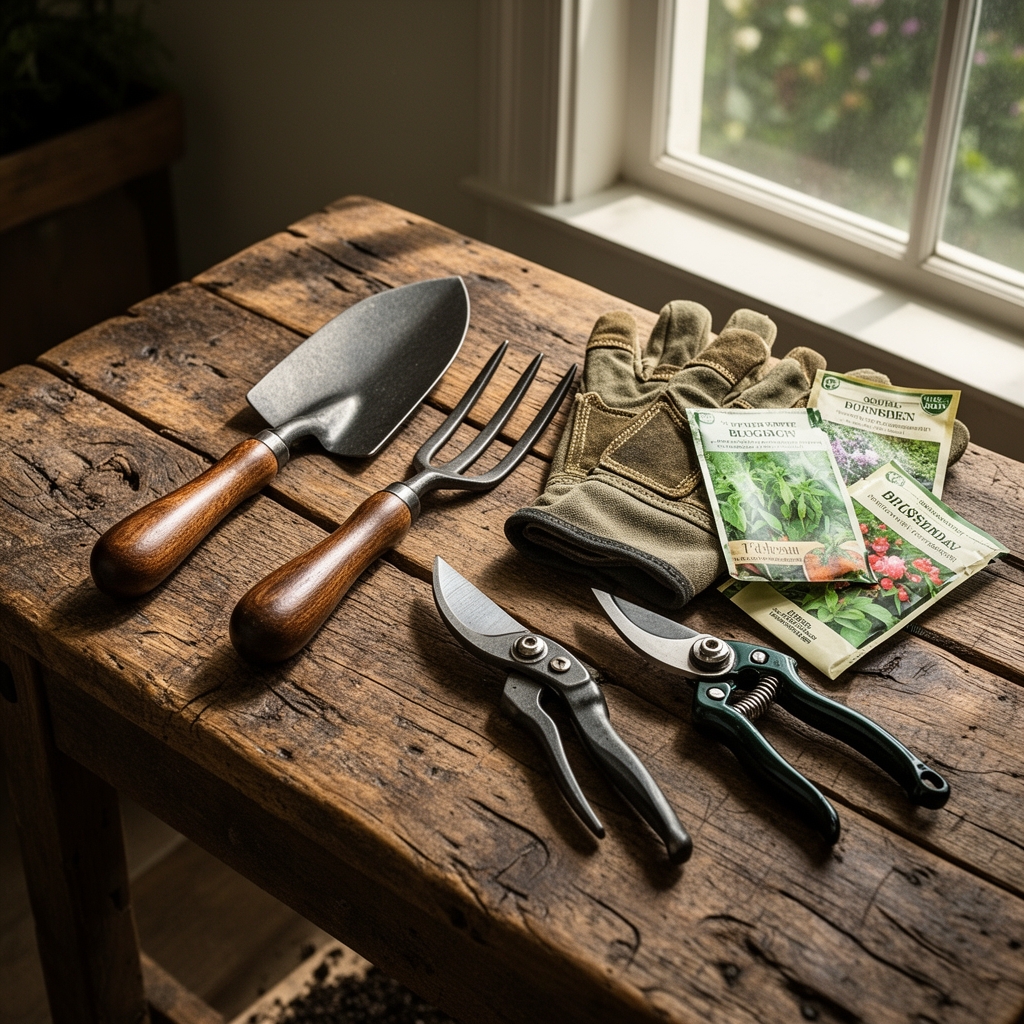
Source calcium in the form of gypsum (calcium sulfate) rather than lime if soil pH already exceeds 6.8. Blossom-end rot and premature abscission share a calcium-deficiency pathway. Install a min-max thermometer to track nocturnal lows; temperatures below 55°F or above 75°F inhibit pollen tube elongation. Keep row cover on hand for sudden cold snaps and shade cloth rated 30–40% for heat waves. A refractometer (0–32° Brix scale) measures leaf sap sugar, an indirect indicator of plant stress before visible symptoms emerge.
Timing
Zones 3–5 should transplant fruiting crops one week after the last frost date, when soil temperature at four-inch depth holds steady above 60°F. Cooler substrate slows root metabolism and reduces auxin synthesis. Zones 6–7 transplant on the frost-free date itself. Zones 8–10 gain a second window in late summer for fall crops; set transplants eight weeks before the first expected night below 55°F to allow flower initiation under moderate temperatures.
Monitor blossom-set windows. Peppers and tomatoes form flowers when day length exceeds thirteen hours and night temperatures remain between 60°F and 70°F. Eggplants tolerate warmer nights but abort below 58°F. Beans drop flowers if daytime highs exceed 90°F during bloom. Schedule succession plantings two weeks apart to stagger reproductive phases and distribute risk across variable weather.
Phases
Sowing: Start seeds indoors six to eight weeks before transplant date. Maintain germination medium at 75–80°F for solanaceous crops. Supplement seedlings with quarter-strength fish emulsion (5-1-1) beginning at the first true leaf to build root mass without forcing vegetative growth.
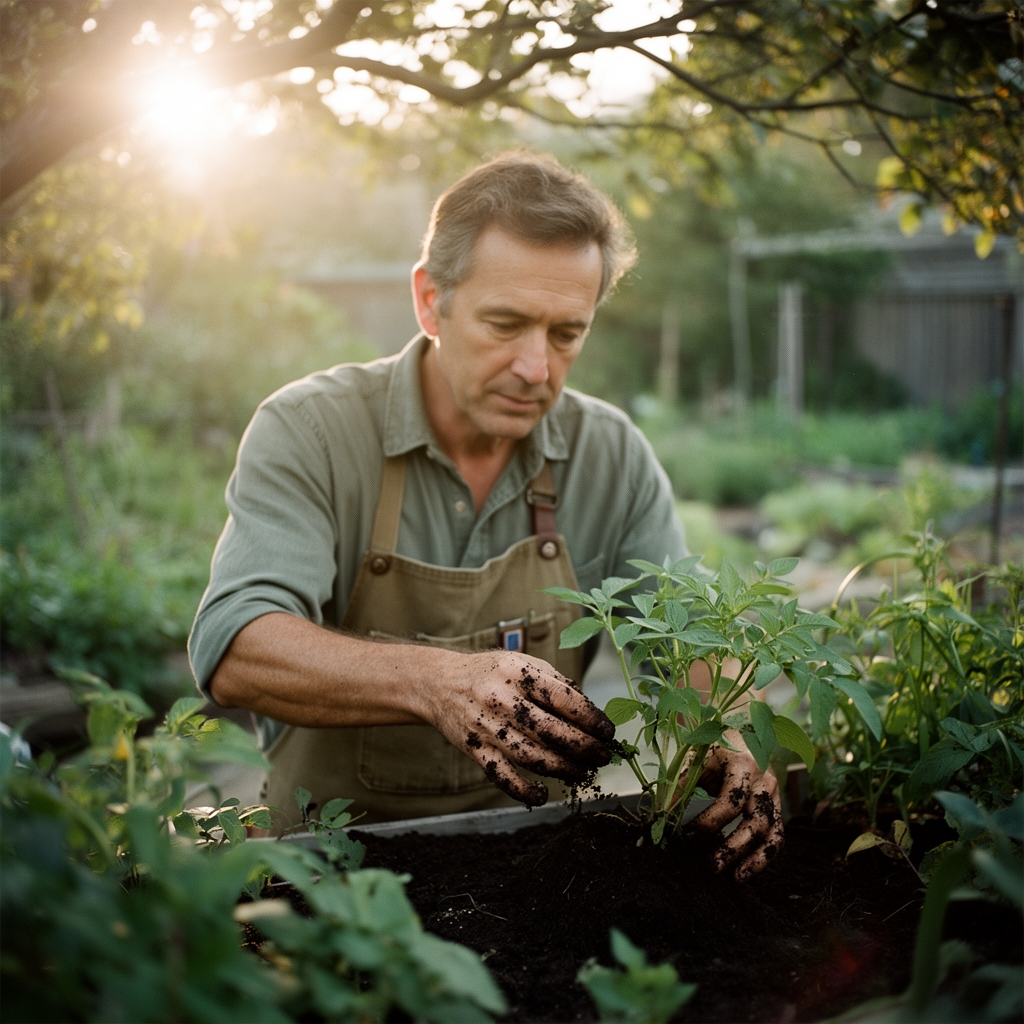
Pro-Tip: Brush seedling stems daily with a soft cloth for thirty seconds. Mechanical stimulation triggers thigmomorphogenesis, producing compact plants with 20% thicker stem diameter and improved vascular flow to flowers.
Transplanting: Dig holes twice the root-ball width. Mix two tablespoons of bone meal (3-15-0) and one tablespoon of kelp meal into backfill soil. Position transplants so the first true leaves sit one inch above grade. Firm soil to eliminate air pockets that disrupt capillary water movement.
Pro-Tip: Apply mycorrhizal inoculant directly onto roots at transplant. Phosphorus availability increases within ten days, shortening the interval to first flower by four to six days and improving early fruit set by 18%.
Establishing: Mulch with two inches of straw or shredded leaves once soil warms to 65°F. Organic matter moderates root-zone temperature swings by 8–12°F and sustains even moisture, both critical during anthesis. Pinch the first flower cluster on tomatoes and peppers to redirect energy into root expansion; this single removal can increase total-season yield by 15–22%.
Pro-Tip: Install a drip line six inches from the stem base. Overhead irrigation wets pollen grains, causing them to burst or clump, which prevents pollen-tube germination on the stigma.
Troubleshooting
Symptom: Flowers open normally but drop within 24 hours, leaving no fruit scar.
Solution: Night temperature exceeded 75°F or fell below 55°F. Deploy shade cloth or row cover as appropriate. Foliar-spray with 1 tablespoon Epsom salt per gallon; magnesium co-factors activate enzymes in pollen germination.
Symptom: Blossoms remain attached but fail to swell; petals wither on intact ovaries.
Solution: Pollination failed. Introduce native bumble bees or hand-pollinate with a soft brush between 10 a.m. and noon. Vibration at 400 Hz releases pollen in solanaceous crops; an electric toothbrush against the flower stem mimics bee sonication.
Symptom: Fruit begins to form, then yellows and drops at marble size.
Solution: Calcium deficiency or water stress. Apply gypsum at 2 pounds per 100 square feet and irrigate to maintain soil moisture at 60–70% field capacity. Mulch to buffer moisture fluctuations.
Symptom: Excessive foliage, dark green leaves, few flowers.
Solution: Nitrogen surplus. Withhold fertilizer and side-dress with 0-10-10 to rebalance NPK ratio toward phosphorus and potassium.
Maintenance
Deliver 1 to 1.5 inches of water per week, applied in two deep soakings rather than daily sprinkles. Shallow watering encourages surface roots vulnerable to heat stress. Monitor soil moisture with a probe at six-inch depth; irrigate when readings drop to 50% of field capacity.
Side-dress every three weeks with compost tea or diluted fish emulsion (half-strength). Avoid high-nitrogen feeds after first fruit set. Prune suckers on indeterminate tomatoes to improve air circulation and direct carbohydrates toward existing flower trusses. Stake plants to keep fruit off soil, reducing disease pressure that can trigger stress-induced abscission.
FAQ
What temperature range prevents blossom drop?
Night temperatures between 60°F and 70°F optimize pollen viability. Daytime highs should remain below 90°F.
Can I save flowers already starting to yellow?
No. Once the abscission layer activates, the process is irreversible. Focus on preventing future drop.
Does blossom drop mean my plant is diseased?
Usually not. Environmental stress accounts for 90% of cases. Inspect for aphids or thrips only if drop accompanies leaf distortion.
How long after correcting conditions will fruit set resume?
New flowers form seven to ten days after stress removal. Existing buds may still abort.
Will blossom-set spray hormones help?
Synthetic auxins can force fruit set but often produce misshapen, low-quality fruit. Correct the underlying cause instead.