7 Best Aquarium Water Fertilizers for Plants
The scent of decomposing organic matter and the sharp, metallic tang of dissolved minerals define the workspace of a high-tech aquascape. Success is measured by leaf turgor; the internal water pressure that keeps a stem rigid and upright against the current. To achieve this, a precise balance of macro and micronutrients is required. Selecting the best aquarium water fertilizers involves more than just pouring liquid into a tank; it requires an understanding of how aquatic flora bypasses traditional root uptake to absorb minerals directly through their cell walls.
Aquatic plants exist in a state of constant osmotic exchange. When the nutrient concentration in the water column is optimized, the plant achieves maximum photosynthetic efficiency. Without this balance, carbon dioxide remains unprocessed, and the plant enters a state of metabolic stall. This guide provides the technical framework for maintaining that balance using the industry's most effective chemical formulations.
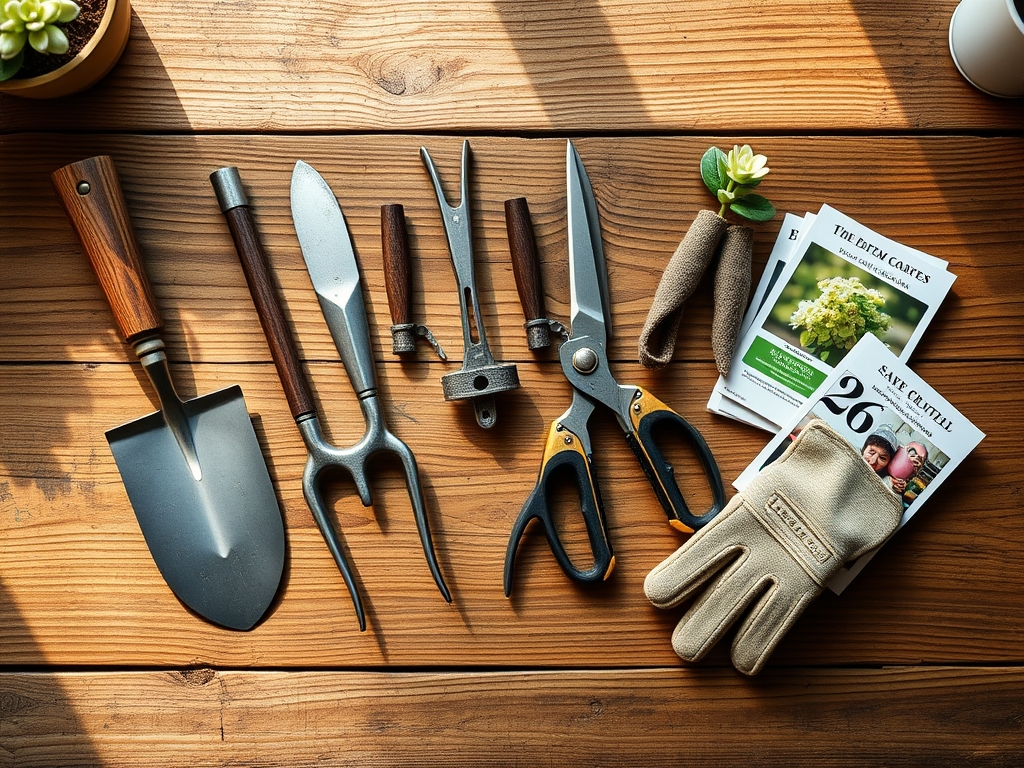
Materials:
Substrate selection dictates the Cation Exchange Capacity (CEC) of the aquarium. A friable, porous clay-based substrate with a high CEC allows the medium to pull nutrients from the water and store them for root-heavy species. The ideal soil pH for most aquatic environments ranges from **6.2 to 6.8**, which maximizes the bioavailability of iron and phosphorus.
When evaluating the best aquarium water fertilizers, consider these specific NPK ratios and formulations:
- Comprehensive All-in-One (NPK 3-1-7): Best for low-tech tanks with slow-growing species like Anubias.
- Nitrogen-Heavy Liquid (NPK 5-0-0): Required for rapid biomass production in high-light systems.
- Phosphate Supplements (NPK 0-3-0): Essential for stimulating root elongation and preventing "spot algae" on slow-growing leaves.
- Potassium Sulfate (NPK 0-0-10): Prevents pinholes in older leaves; potassium is highly mobile within the plant tissue.
- Chelated Iron (Fe): Necessary for red pigmentation in plants like Alternanthera reineckii.
- Trace Element Mix: Contains Boron, Copper, Manganese, and Zinc to support enzyme production.
- Root Tabs: Concentrated NPK pellets for heavy feeders like Amazon Swords (Echinodorus).
Timing:
While indoor aquariums are shielded from outdoor Hardiness Zones, they follow a strict biological clock dictated by the photoperiod. Most aquatic plants require a 10 to 12-hour light cycle to transition from the vegetative state to a robust reproductive state. In a new setup, the first 21 days are the "Acclimation Window." During this phase, plants often undergo senescence, shedding old leaves to conserve energy for new growth adapted to the specific water chemistry of the tank.
Fertilization must begin on day one, but at 50% of the recommended dosage. This prevents a nutrient spike before the plants have established a sufficient biomass to compete with opportunistic algae. Once the "Biological Clock" hits the six-week mark, the rhizosphere is usually colonized by beneficial nitrifying bacteria, allowing for full-strength dosing.
Phases:

Sowing and Initial Planting
When placing stems into the substrate, use stainless steel pincettes to bury the node at least 2 inches deep. This ensures the plant can anchor itself against water flow.
Pro-Tip: Focus on the rhizosphere. By burying root tabs near the base of heavy feeders, you create a localized zone of high nutrient density. This encourages downward root growth through hydrotropism, preventing the plant from becoming buoyant and uprooting.
Transplanting and Propagation
Propagating stem plants requires a clean cut with bypass pruners just below a leaf node. The new cutting must be stripped of its bottom leaves to prevent rot within the substrate.
Pro-Tip: This process utilizes auxin suppression. When you cut the apical meristem (the top tip), you stop the flow of auxins that prevent side-shooting. This forces the plant to branch out, creating a bushier, denser appearance.
Establishing the Canopy
As plants reach the water surface, they enter a high-energy phase. The light intensity is greatest at the surface, increasing the demand for CO2 and liquid fertilizers.
Pro-Tip: Monitor for phototropism. If stems are leaning excessively toward the light source, it indicates a PAR (Photosynthetically Active Radiation) deficiency. Adjust the light height or increase the intensity to ensure vertical growth and high turgor pressure.
The Clinic:
Physiological disorders in aquatic plants are almost always a result of nutrient "lockout" or deficiency.
- Symptom: Interveinal Chlorosis. Yellowing of the leaf while the veins remain green.
- Solution: This is a classic Magnesium or Iron deficiency. Increase dosing of a chelated trace element mix.
- Symptom: Necrosis of Leaf Tips. The ends of the leaves turn black or dissolve.
- Solution: Often caused by Calcium deficiency or extremely low GH (General Hardness). Add a crushed coral buffer or a liquid calcium supplement.
- Symptom: Stunted New Growth. New leaves are small, twisted, or pale.
- Solution: Nitrogen deficiency. Increase the NPK ratio toward the Nitrogen side, ensuring at least 10-20 ppm of nitrates are present.
Fix-It Section: For Nitrogen chlorosis, perform a 30% water change to reset the water chemistry, then dose a high-nitrogen liquid fertilizer. Use a soil moisture meter or a digital TDS (Total Dissolved Solids) pen to ensure the water hardness has not climbed above 300 ppm, which can inhibit nutrient uptake.
Maintenance:
Precision maintenance prevents the "Algae Bloom" cycle. Use a hori-hori knife for deep substrate aeration once every quarter to prevent anaerobic gas pockets. Pruning should be done weekly using bypass pruners to remove decaying matter that leaches ammonia.
Water quality must be monitored with a soil moisture meter adapted for liquid testing or a high-quality titration kit. Aim for a weekly water change of 25% to 50%. This "Reset Method" prevents the accumulation of unused salts and minerals that can lead to osmotic shock in sensitive species like Rotala. Ensure the water temperature remains between 72 and 78 degrees Fahrenheit for optimal metabolic rates.
The Yield:
In the context of an aquarium, the "yield" is the biomass and aesthetic density. When harvesting cuttings for a new tank, keep them submerged in a container of tank water immediately. Exposure to air for more than 5 minutes can cause cell collapse in delicate species. For "day-one" freshness, trim the bottom 0.25 inches of the stem at a 45-degree angle before replanting to maximize the surface area for water uptake.
FAQ:
How often should I use liquid fertilizers?
Dose liquid fertilizers 2 to 3 times per week. High-light systems with CO2 injection require daily dosing to maintain stable nutrient levels and prevent algae outbreaks caused by nutrient fluctuations.
Can I use terrestrial plant food in my aquarium?
No. Terrestrial fertilizers often contain high levels of urea and phosphates that can be toxic to fish and invertebrates. Stick to specialized best aquarium water fertilizers formulated for submerged environments.
Why are my plant leaves turning yellow?
Yellowing leaves, or chlorosis, typically indicate a Nitrogen or Iron deficiency. Ensure your nitrate levels are between 10-20 ppm and check that your fertilizer includes chelated iron for better absorption.
Do I need fertilizers if I have fish?
Fish waste provides nitrogen and phosphorus, but it lacks essential micronutrients like Potassium, Iron, and Manganese. Supplementing with a comprehensive liquid fertilizer ensures your plants receive a full spectrum of minerals.