7 Vital Steps to Cracked Tomato Skins
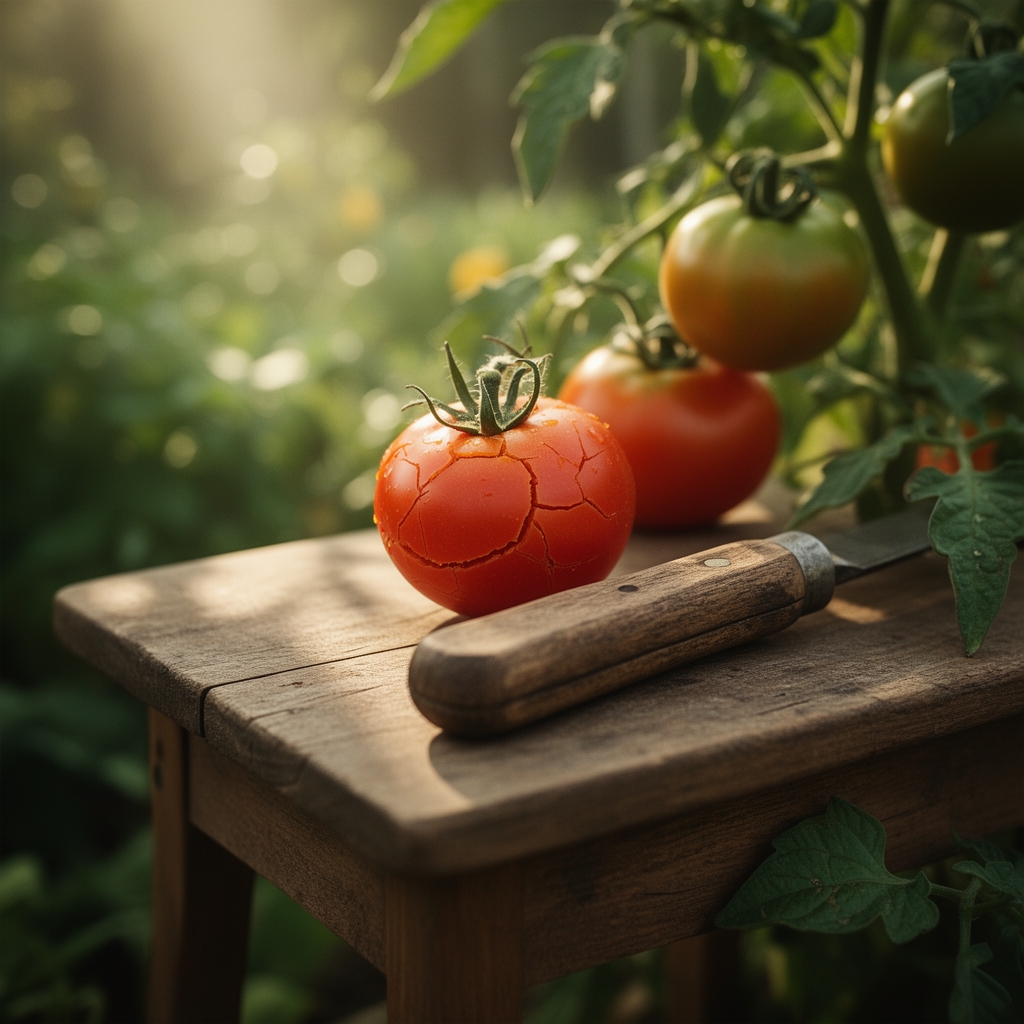
Cracked tomato skins transform a promising harvest into a frustrating loss. The phenomenon occurs when fruit expansion outpaces epidermal elasticity, typically after irregular irrigation or sudden rainfall following drought stress. Understanding the seven steps to cracked tomato skins allows gardeners to implement preventive strategies rooted in plant physiology, soil moisture management, and cultivar selection rather than reactive damage control.
Materials
Soil preparation begins with a pH test targeting 6.2 to 6.8 for optimal calcium uptake. Amend acidic soils with dolomitic limestone at rates determined by lab analysis, typically 5 to 10 pounds per 100 square feet. Incorporate a balanced organic fertilizer such as 4-4-4 feather meal blend at 2 pounds per 10 square feet two weeks before transplanting.
Calcium is the structural element most critical to epidermal integrity. Apply gypsum (calcium sulfate) at 1 pound per 10 square feet if soil tests reveal adequate pH but low calcium. This addresses the cation exchange capacity without altering acidity. Foliar sprays of calcium chloride at 0.5% solution provide supplemental uptake during fruit expansion, applied weekly once fruits reach golf-ball size.
Mulch materials include shredded hardwood bark at 3-inch depth or straw at 4-inch depth. Both regulate soil temperature and moisture fluctuation, the primary environmental triggers for radial and concentric cracking patterns.
Timing
Zones 5 through 7 should transplant seedlings two weeks after the last expected frost, when soil temperatures stabilize above 60°F at 4-inch depth. Zones 8 through 10 benefit from both spring and fall plantings, with fall transplants set out 12 weeks before the first frost date.
Start seeds indoors 6 to 8 weeks before transplant date under full-spectrum grow lights positioned 2 inches above seedling canopy. Maintain soil temperature at 75°F to 80°F using heat mats to ensure germination within 5 to 7 days.
Crack-resistant cultivars include 'Mountain Fresh Plus,' 'Crimson Carmello,' and 'Fantastico.' These varieties possess thicker cuticle layers and higher epidermal cell wall elasticity. Heirloom varieties such as 'Brandywine' and 'Cherokee Purple' show significantly higher cracking susceptibility, requiring stricter moisture management protocols.
Phases
Sowing: Fill 4-inch containers with sterile seed-starting mix containing peat moss, perlite, and vermiculite at 2:1:1 ratio. Plant seeds 1/4 inch deep, two per cell. Water from below using capillary action trays to prevent damping-off fungal infection. Germination occurs within one week at optimal temperature.
Pro-Tip: Inoculate transplant holes with mycorrhizal fungi (Glomus intraradices) at 1/4 teaspoon per plant. This symbiotic relationship increases phosphorus availability by 30% and improves drought tolerance through enhanced root surface area.
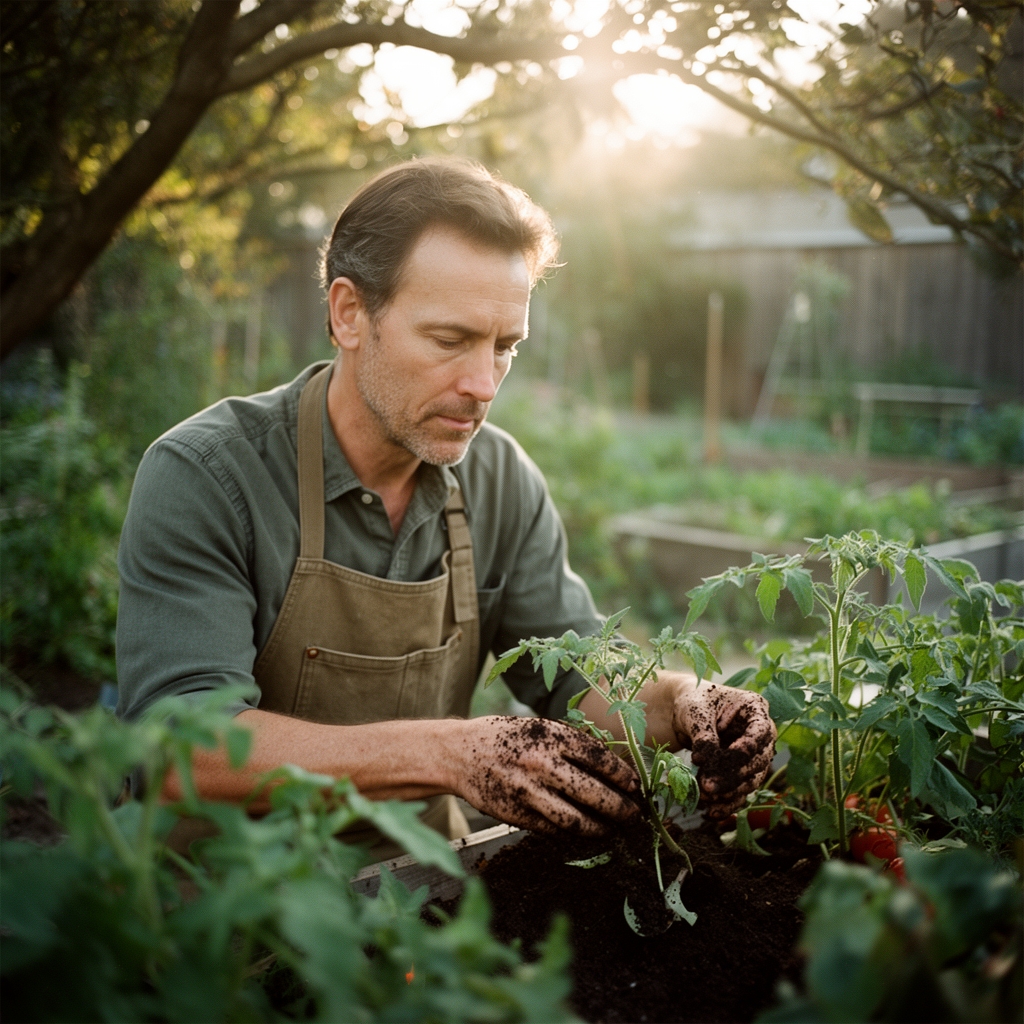
Transplanting: Harden off seedlings over 7 days by gradually increasing outdoor exposure. Dig planting holes 12 inches deep, burying stems up to the first true leaves. Adventitious roots form along buried stem sections, increasing water and nutrient absorption capacity. Space determinate varieties 24 inches apart, indeterminate varieties 36 inches apart.
Pro-Tip: Prune lower leaves at 45-degree angles using sterilized shears, maintaining 6 inches of clearance above soil level. This prevents soil-borne pathogen splash during irrigation while promoting air circulation that reduces fungal pressure.
Establishing: Install drip irrigation lines or soaker hoses 2 inches from stem bases. Stake indeterminate varieties within 3 days of transplanting using 6-foot stakes driven 12 inches into soil. Tie stems loosely with fabric strips in figure-eight patterns to allow auxin distribution and prevent girdling as stems expand.
Pro-Tip: Apply fish emulsion at half-strength (1 tablespoon per gallon) weekly for the first month. This provides nitrogen for vegetative growth without excessive auxin production that delays flowering and fruit set.
Troubleshooting
Symptom: Concentric ring cracks around stem end.
Solution: These indicate rapid fruit expansion after drought stress. Install rain gauges and provide supplemental irrigation when weekly rainfall drops below 1.5 inches. Maintain consistent soil moisture at 60% to 80% field capacity.
Symptom: Radial cracks extending from stem to blossom end.
Solution: Calcium deficiency or transport interruption causes this pattern. Test soil calcium levels and foliar feed with calcium chloride solution every 5 days during peak fruiting.
Symptom: Deep vertical splits exposing locular cavities.
Solution: Excessive nitrogen in ratio to potassium creates thin cell walls. Switch to 3-4-6 fertilizer blend emphasizing potassium for cell wall strength.
Symptom: Blossom-end rot accompanying cracks.
Solution: This combination indicates severe calcium deficiency. Apply gypsum at 2 pounds per 10 square feet and ensure consistent moisture to facilitate calcium transport through xylem vessels.
Maintenance
Water deeply twice weekly, delivering 1 to 1.5 inches total measured at soil level. Drip systems should run 45 to 60 minutes per session depending on flow rate and soil texture. Sandy soils require three sessions weekly at shorter duration.
Prune suckers from indeterminate varieties weekly, removing shoots emerging from leaf axils when they reach 2 to 4 inches. This concentrates resources into fruit development rather than vegetative growth.
Side-dress with compost tea at 1 gallon per plant every 3 weeks, beginning at first fruit set. This provides micronutrients and beneficial bacteria that improve nutrient cycling.
Monitor fruit development daily during expansion phase. Harvest immediately when skin shows first color break to minimize field exposure to cracking triggers.
FAQ
Do all tomato varieties crack equally?
Crack susceptibility varies by genetics. Thick-skinned paste tomatoes resist cracking better than thin-skinned slicers. Check seed catalogs for crack-resistance ratings before selecting cultivars.
Can I prevent cracking with plastic mulch?
Plastic mulch moderates soil temperature but does not regulate moisture as effectively as organic mulch. Use black plastic in cool climates and reflective mulch in hot regions, always combined with drip irrigation.
Should I reduce watering when fruit ripens?
No. Maintain consistent moisture throughout ripening. Sudden reduction triggers osmotic stress, causing rapid water influx during next irrigation and subsequent cracking.
Will pruning leaves above fruit clusters help?
Limited pruning of 1 to 2 leaves improves air circulation without compromising photosynthetic capacity. Excessive defoliation reduces sugar production needed for proper fruit maturation.
How quickly do cracks appear after stress?
Visible cracks develop within 24 to 48 hours following heavy rain or irrigation after drought. Microscopic epidermal tears occur within 6 hours of moisture spike.