7 Vital Steps to Treat Wind Burn
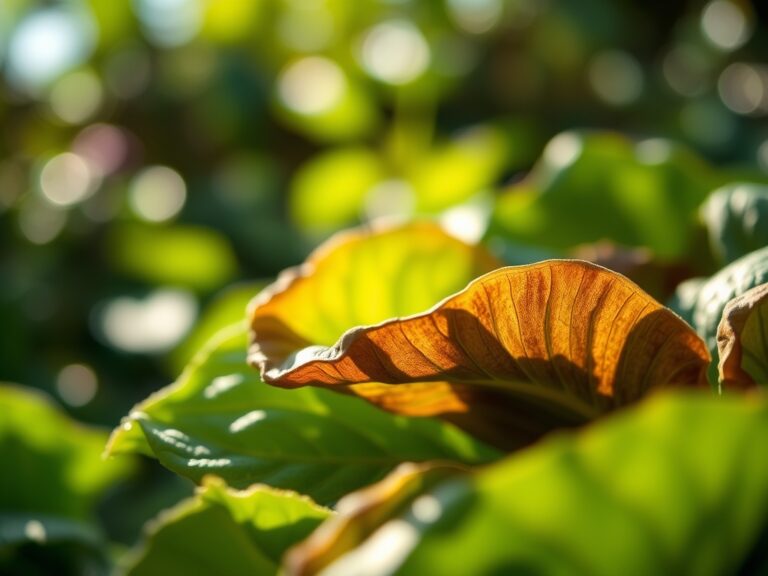
Wind-ravaged foliage tells a brutal story. Desiccated leaf margins curl inward, chlorophyll bleaches to bronze, and vascular tissue collapses under relentless airflow. Whether you manage exposed alpine perennials or containerized specimens on urban balconies, understanding the precise steps to treat wind burn determines whether plants recover or spiral into decline. Wind burn occurs when transpiration exceeds water uptake, leaving cellular structures dehydrated and photosynthetic machinery compromised. This guide provides seven actionable steps to treat wind burn through targeted horticultural intervention.
Materials
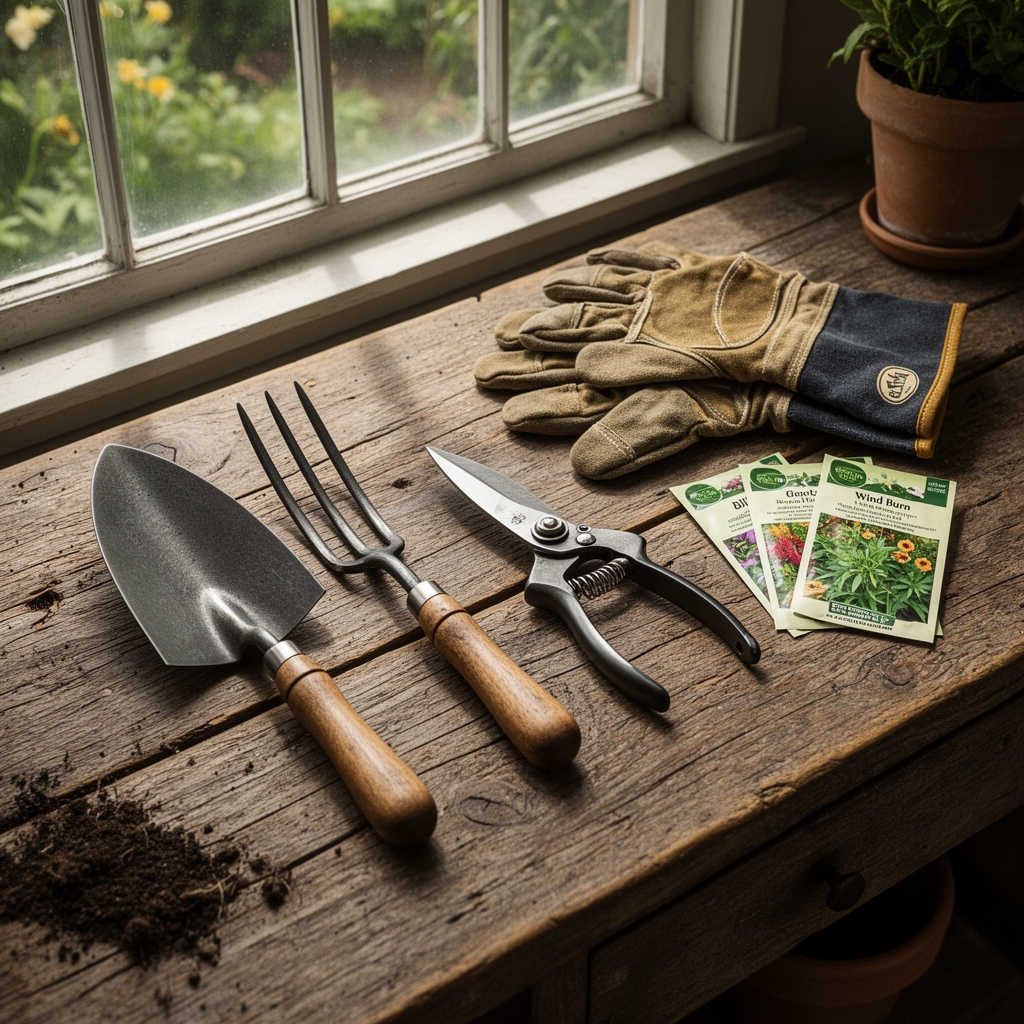
Successful treatment requires pH-balanced amendments and targeted nutrition. For soil pH adjustment, use dolomitic limestone (raises pH, adds magnesium) or elemental sulfur (lowers pH by 0.5-1.0 units per pound per 100 square feet). Select a balanced organic fertilizer rated 4-4-4 or 5-5-5 to support cellular repair without forcing excessive growth. Kelp extract (NPK 1-0-2) delivers cytokinins that stimulate cell division in damaged tissue. Mycorrhizal inoculant containing Glomus intraradices improves water absorption through enhanced root surface area. Anti-transpirant spray with a pinene polymer base reduces water loss by 30-40 percent without blocking stomatal gas exchange. Obtain horticultural fleece rated at 0.5-1.0 ounce per square yard for wind screening. Keep pH testing strips or a digital meter calibrated between 6.0-7.0 for most ornamentals, 4.5-5.5 for ericaceous species.
Timing
Execute treatment protocols according to USDA Hardiness Zone and phenological stage. Zones 3-5 face wind burn risk from late October through April when frozen soil prevents root water uptake while winter winds desiccate aboveground tissue. Zones 6-8 experience damage during late-winter thaws when sunny days trigger transpiration but root zones remain cold. Zones 9-11 encounter burn during Santa Ana or Chinook wind events, typically September through November. Begin protective measures two weeks before average first frost dates. Apply anti-transpirants when temperatures hold above 40°F for six hours, ensuring proper film formation. Foliar applications of kelp extract work best during active growth periods, not during dormancy. Install windbreaks by late August in northern zones, before deciduous shelter-belt trees drop leaves.
Phases
Assessment Phase: Examine leaf margins, stem tips, and evergreen needles for desiccation. Wind burn manifests as browning that begins at tissue edges and progresses inward, distinct from pathogenic leaf spots that originate at central points. Check soil moisture at 4-6 inch depth. Frozen or waterlogged soil compounds damage. Document wind direction and velocity; sustained winds above 15 mph begin damaging tender growth.
Pro-Tip: Use a penetrometer or metal rod to test soil frost depth. If frozen beyond 3 inches, roots cannot access water regardless of irrigation.
Immediate Intervention Phase: Water thoroughly to field capacity if soil temperature exceeds 40°F. Apply 1-2 gallons per square foot of root zone for shrubs, 5-10 gallons for trees. Spray anti-transpirant on all exposed foliage, covering both leaf surfaces. Application rate should deliver 1 gallon of diluted solution per 100 square feet of canopy. Erect temporary windbreaks using burlap or horticultural fleece staked 18-24 inches from plant stems, creating 4-inch air gaps to prevent moisture buildup.
Pro-Tip: Position screens on the windward side only. Wrapping entire plants traps humidity and invites fungal pathogens like Botrytis cinerea.
Recovery Phase: Wait until spring flush before pruning damaged tissue. Removing injured growth prematurely eliminates stored carbohydrate reserves and exposes fresh cuts to cold. Once new growth emerges 1-2 inches, prune dead tissue at 45-degree angles 1/4 inch above lateral buds. Apply kelp extract as a foliar spray at 1 tablespoon per gallon every 14 days for three applications. Incorporate mycorrhizal inoculant into the root zone by core aerating 6-inch deep holes and filling with inoculant-amended compost.
Pro-Tip: Prune conifers conservatively. Most species do not generate adventitious buds from bare wood. Remove only confirmed dead tissue verified by scratch tests revealing brown cambium.
Troubleshooting
Symptom: Brown needles or leaves remain attached through spring.
Solution: Desiccated but not abscised tissue indicates vascular damage. Continue deep watering. Apply diluted fish emulsion (NPK 5-1-1) at half strength to support auxin distribution and trigger normal senescence.
Symptom: New growth emerges stunted with chlorotic leaves.
Solution: Root damage occurred. Test soil with a TDS meter; salt accumulation from de-icing compounds may exceed 2,000 ppm. Leach soil with 2-3 inches of water. Apply gypsum at 5 pounds per 100 square feet to improve cation exchange capacity.
Symptom: Cankers develop on wind-damaged stems.
Solution: Opportunistic pathogens like Cytospora entered through wounds. Prune 6 inches below visible cankers. Sterilize tools between cuts using 10 percent bleach solution.
Symptom: Bark splits vertically on south-facing stems.
Solution: Sunscald exacerbated wind damage. Wrap trunks with white tree wrap or apply diluted white latex paint (1:1 with water) to reflect thermal radiation.
Symptom: Persistent wilting despite adequate irrigation.
Solution: Xylem cavitation disrupted water transport. Root drench with kelp extract to promote lateral root development. Reduce canopy by 20 percent through strategic pruning to match reduced vascular capacity.
Maintenance
Maintain soil moisture at 60-70 percent of field capacity through winter. This requires 0.5 inches of water every 14 days when temperatures stay above freezing. Install permanent windbreaks using mixed-species hedgerows that reduce wind velocity by 50 percent for a distance of 10 times the barrier height. Species like Siberian peashrub (Caragana arborescens) or Eastern redcedar (Juniperus virginiana) tolerate exposure while establishing. Reapply anti-transpirant every 6-8 weeks during winter in zones with fluctuating temperatures. Monitor cation exchange capacity annually; wind-exposed soils leach nutrients rapidly. Target CEC values above 10 meq/100g for adequate nutrient retention. Mulch root zones with 3-4 inches of shredded bark to insulate soil and reduce frost penetration. Avoid piling mulch against stems.
FAQ
How long does wind burn recovery take?
Herbaceous perennials regenerate within 4-6 weeks if roots remain healthy. Woody plants require one full growing season to replace damaged tissue. Conifers may take 2-3 years to restore full canopy density.
Can I fertilize immediately after wind burn?
No. Wait until active growth resumes. High-nitrogen fertilizers (above 10-5-5) force shoot growth before roots can support water demands, worsening stress.
Do anti-transpirants harm plants?
Film-forming products are inert and photodegrade in 6-12 weeks. They reduce photosynthesis by approximately 10 percent, an acceptable trade-off during dormancy. Avoid application during active growth in summer.
Should I water frozen plants?
Only if soil temperature exceeds 40°F at root depth. Watering frozen ground creates ice lenses that rupture root cells and compact soil structure.
Will wind-burned evergreens turn green again?
No. Desiccated foliage remains brown. New growth emerges from undamaged buds. Prune aesthetically once recovery begins, maintaining natural branch angles for optimal light penetration.