8 Best Winter Houseplant Care Tips
The smell of damp peat moss and the tactile resistance of leaf turgor define a healthy indoor conservatory during the colder months. As the sun drops lower on the horizon, the available light intensity decreases by as much as fifty percent in northern latitudes. This reduction in photons triggers a metabolic slowdown in tropical species. Implementing the best winter houseplant care tips requires a shift from aggressive growth stimulation to the preservation of cellular integrity. You must monitor the rhizosphere closely; cold soil slows the movement of water molecules, making overwatering a primary cause of root senescence. Maintaining a consistent internal temperature between 65 and 75 degrees Fahrenheit ensures that enzymatic reactions continue at a baseline rate. Observe the glossy sheen on a Ficus elastica or the firm petioles of a Monstera deliciosa. These are the markers of high turgor pressure. When the air dries out due to forced-air heating, the vapor pressure deficit increases, pulling moisture from the stomata faster than the roots can replace it. Mastery over these variables separates the amateur from the scientist.
Materials:
Winter substrate management requires a focus on drainage and air porosity rather than high nutrient loading. The ideal substrate is a **friable loam** with a high Cation Exchange Capacity (CEC) to hold onto micronutrients without causing salt buildup.
- Soil pH: Target a range of 5.8 to 6.5 for most tropicals to ensure nutrient bioavailability.
- NPK Ratios: Shift from a 10-10-10 growth formula to a 3-1-2 or 1-1-1 ratio. A low nitrogen (N) count prevents the development of weak, leggy "etiolated" growth that cannot be supported by low winter light.
- Inorganic Components: Incorporate 20% perlite or horticultural grit to increase macropores. This ensures oxygen reaches the roots even if the soil remains damp longer than usual.
- Organic Matter: Use aged pine bark or coconut coir rather than heavy peat to maintain structural stability.
Timing:
While houseplants exist in a controlled environment, they are still tethered to the external photoperiod. In Hardiness Zones 4 through 7, the transition to the "Biological Clock" dormancy phase typically begins after the first frost, which often occurs between October 15 and November 15. During this window, plants transition from the vegetative stage to a maintenance stage. Cellular respiration slows down. You must reduce fertilization frequency by 75% once the day length drops below 11 hours. If you are using supplemental LED lighting, maintain a 12-hour photoperiod to mimic a tropical equatorial cycle, preventing the plant from entering a total state of senescence.
Phases:
Sowing and Propagation
Winter is generally not the time for sowing seeds unless you utilize a heat mat set to 75 degrees Fahrenheit. For asexual propagation (cuttings), focus on hardwood or semi-hardwood species. Use a rooting hormone containing Indole-3-butyric acid (IBA) to stimulate cell differentiation in the cambium layer.
Pro-Tip: Maintain a high humidity microclimate for cuttings to prevent desiccation. The Biological Why involves the suppression of transpiration; without a root system, the cutting cannot replace water lost through the leaves, leading to a loss of turgor and eventual cell collapse.
Transplanting
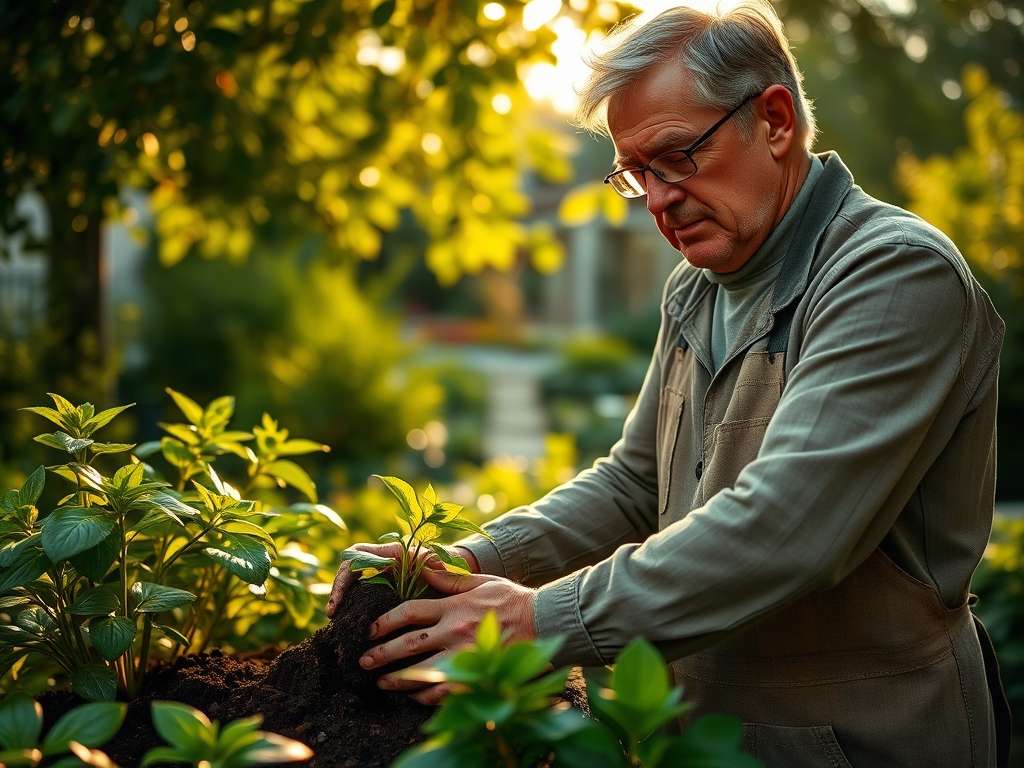
Avoid major repotting during the winter solstice. If a plant is severely pot-bound and showing signs of stress, perform a "bump-up" into a container only one inch larger in diameter. Do not disturb the central root ball; simply fill the periphery with fresh, friable loam.
Pro-Tip: Always pre-moisten your potting media before transplanting. The Biological Why relates to capillary action; dry peat-based soils are hydrophobic and will actually pull moisture away from the plant's delicate root hairs, causing immediate transplant shock.
Establishing and Acclimatization
When bringing plants indoors from a patio, they must undergo a hardening-off process in reverse. Gradually reduce their light exposure over 10 to 14 days to prevent leaf drop.
Pro-Tip: Clean the adaxial (top) and abaxial (bottom) surfaces of the leaves with a damp cloth. The Biological Why is centered on maximizing photosynthetic efficiency; dust particles reflect light and clog stomata, reducing the plant's ability to exchange gases and produce glucose.
The Clinic:
Physiological disorders in winter are often mistaken for pathogens. Use these diagnostic markers to adjust your care regimen.
- Symptom: Edema (Small bumps or blisters on leaf undersides).
- Solution: This is caused by the roots taking up water faster than the leaves can transpire it. Reduce watering frequency and increase air circulation using a small oscillating fan.
- Symptom: Nitrogen Chlorosis (Uniform yellowing of older, lower leaves).
- Solution: Check soil temperature. If the soil is below 60 degrees Fahrenheit, the plant cannot effectively uptake nitrogen. Move the pot to a warmer location or use a 1-1-1 liquid fertilizer at 25% strength.
- Symptom: Leaf Tip Burn (Brown, crispy edges on Dracaena or Spathiphyllum).
- Solution: This indicates fluoride or salt accumulation. Flush the substrate with three volumes of distilled water for every one volume of soil to leach out excess minerals.
- Symptom: Abscission (Sudden dropping of green leaves).
- Solution: This is usually a response to a cold draft or a sudden change in light. Ensure the plant is not in the direct path of a heating vent or a drafty window frame.
Maintenance:
Precision is the hallmark of winter maintenance. Use a soil moisture meter to verify that the top 2 inches of soil are dry before adding water. For most 6-inch pots, this equates to roughly 1.5 cups of water every 10 to 14 days, depending on ambient humidity.
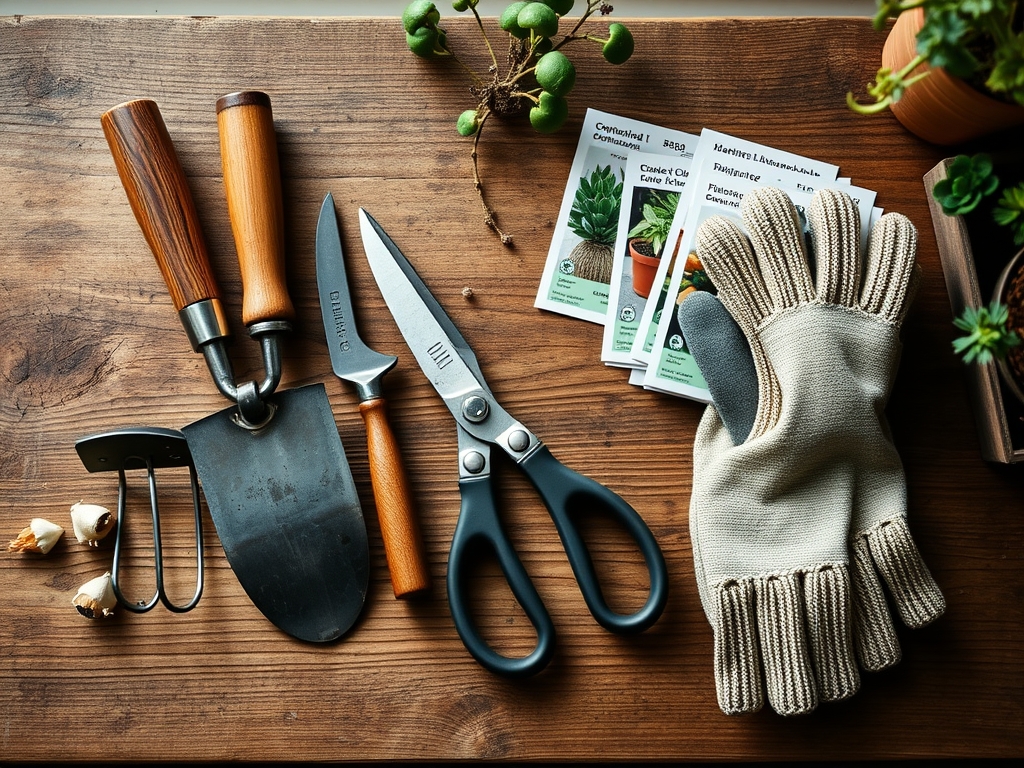
Pruning should be minimal. Use bypass pruners to remove only dead or necrotic tissue. If you must harvest a cutting, use a hori-hori knife to divide rhizomatous plants like Sansevieria, ensuring each section has at least one growing point. Monitor the "drip line" of the plant; water should be applied at the edges of the pot to encourage the root system to expand outward in search of moisture. Keep the relative humidity between 40% and 60%. If levels drop below 30%, use a humidifier; pebble trays are largely ineffective at changing the macro-environment of a room.
The Yield:
For those growing indoor citrus or herbs, the winter yield is a result of successful pollination and light management. Harvest lemons or limes when the rind reaches a Brix level (sugar content) indicated by a deep, uniform color and a slight softening of the fruit. Use sharp snips to cut the pedicel; pulling the fruit can damage the branch's vascular tissue. For herbs like rosemary or thyme, never remove more than 20% of the biomass at once during winter. To maintain "day-one" freshness, place harvested herbs in a glass of water at room temperature or wrap them in a damp paper towel and refrigerate at 40 degrees Fahrenheit.
FAQ:
How often should I water my plants in winter?
Water only when the top two inches of substrate feel dry. Most plants require a 30% to 50% reduction in water volume compared to summer. Use a moisture meter to ensure the root zone is not waterlogged.
Should I fertilize my houseplants during the winter months?
Reduce fertilization to once every six to eight weeks using a diluted, balanced formula. If the plant is not producing new leaves, stop fertilizing entirely to prevent salt accumulation in the rhizosphere.
What is the best temperature for indoor plants in winter?
Maintain a daytime temperature between 65 and 75 degrees Fahrenheit. Nighttime temperatures can drop to 60 degrees, but avoid fluctuations. Keep plants away from cold window glass and hot air vents.
How do I provide enough light during short winter days?
Place plants within three feet of a South-facing window. If natural light is insufficient, use full-spectrum LED grow lights for 12 hours a day to maintain photosynthetic activity and prevent etiolation.