8 Simple Steps to Heat Stress Plants
Understanding the steps to heat stress plants requires precision and controlled environmental manipulation. Heat stress occurs when ambient temperatures exceed a species' thermal tolerance threshold, typically above 86°F for cool-season crops and 95°F for warm-season varieties. The physiological cascade begins with stomatal closure, progresses through protein denaturation, and culminates in cellular membrane disruption. These steps to heat stress plants form the foundation of accelerated crop hardening protocols used in commercial greenhouse operations.
Materials
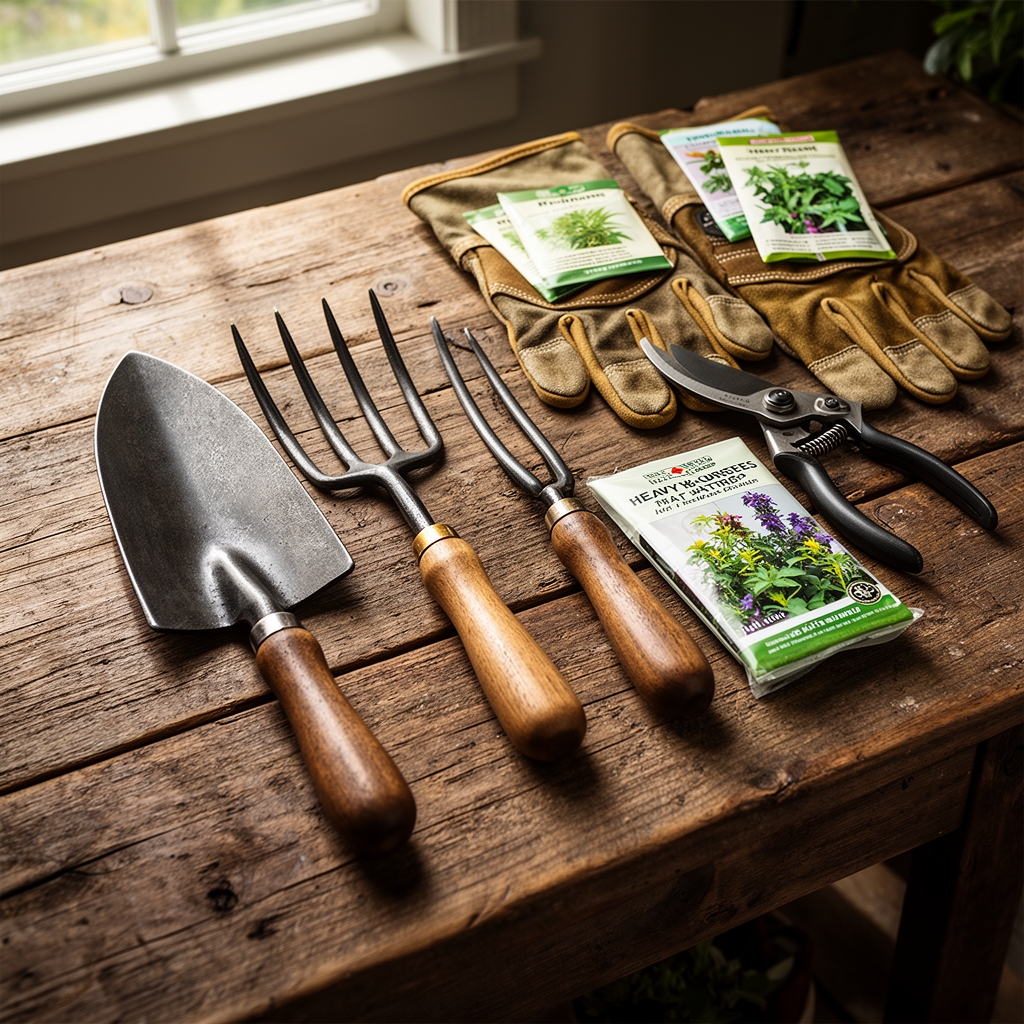
Preparation demands specific equipment calibrated to induce controlled thermal shock without permanent damage. A digital greenhouse thermostat with ±1°F accuracy maintains target temperatures. Heat lamps rated at 250 watts provide supplemental radiant energy. Reflective Mylar sheeting concentrates thermal radiation within the exposure zone.
Soil amendments buffer against heat-induced nutrient lockout. Apply a 4-4-4 organic fertilizer blend at 2 pounds per 100 square feet two weeks before initiation. Kelp meal (1-0-2) at 1 cup per plant delivers cytokinins that moderate heat shock protein synthesis. Adjust soil pH to 6.2-6.8 using dolomitic lime; cation exchange capacity above 15 meq/100g stabilizes calcium and magnesium uptake during thermal stress.
Foliar sprays containing 0.5% potassium silicate strengthen cell walls. A handheld infrared thermometer measures leaf surface temperature, the true indicator of thermal load. Shade cloth rated at 30% reduction allows rapid temperature modulation.
Timing
Execute heat stress protocols based on hardiness zone and phenological stage. In zones 5-7, begin hardening 10-14 days after the last frost date when soil temperatures stabilize above 55°F. Zones 8-10 permit year-round application but avoid mid-summer when ambient temperatures naturally exceed stress thresholds.
Start protocols when plants reach the 4-6 true leaf stage. Younger seedlings lack sufficient root mass to recover from severe stress. Mature flowering specimens divert energy to reproduction rather than adaptive responses. The vegetative growth phase between weeks 3-8 optimizes auxin distribution for stress adaptation.
Morning exposure between 9 AM and 1 PM capitalizes on peak photosynthetic activity. Afternoon sessions risk compounding heat stress with natural temperature peaks. Space sessions 48-72 hours apart to allow heat shock protein accumulation without chronic damage.
Phases

Sowing: Germinate seeds at standard temperatures of 70-75°F. No thermal stress applies during this phase. Focus on mycorrhizal fungi inoculation at seeding; apply 1 teaspoon of Rhizophagus irregularis spores per cell. The symbiotic relationship enhances phosphorus uptake, critical for stress recovery in later phases.
Pro-Tip: Pre-soak seeds in a 2% hydrogen peroxide solution for 15 minutes to sterilize seed coats and accelerate imbibition by 18-24 hours.
Transplanting: Introduce mild stress during the transplant hardening period. Increase daytime temperatures to 82-86°F for 2-hour intervals on days 1, 3, and 5. Maintain nighttime temperatures at 65°F to preserve the diurnal temperature differential necessary for proper auxin distribution. Water immediately before heat exposure; turgid cells tolerate thermal stress better than wilted tissue.
Pro-Tip: Root prune transplants 48 hours before heat exposure by cutting vertical slices 1 inch from the stem base at 45-degree angles. This stimulates lateral root proliferation and activates defense signaling pathways.
Establishing: Escalate to full stress conditions once roots penetrate 3-4 inches into native soil. Elevate temperatures to 92-98°F for 3-hour periods daily for one week. Monitor leaf surface temperature; maintain it below 105°F to prevent irreversible chloroplast damage. Reduce watering to 60% of field capacity; combined heat and drought stress triggers abscisic acid production and stomatal adaptation.
Pro-Tip: Apply a 18-0-0 foliar urea spray at 0.25% concentration during the final establishment phase. Nitrogen remobilization increases thermotolerance by 12-15% through enhanced protein synthesis.
Troubleshooting
Symptom: Leaf margin necrosis with interveinal chlorosis. Solution: Indicates calcium deficiency exacerbated by reduced transpiration. Apply calcium chloride foliar spray at 1.5 pounds per 100 gallons. Increase humidity to 65% to restore transpirational calcium transport.
Symptom: Premature bolting in cool-season crops. Solution: Excessive heat triggers vernalization bypass. Reduce exposure temperature to 78-82°F and shorten duration to 90 minutes. Shield apical meristems with shade cloth during peak intensity.
Symptom: Wilting that persists after temperature normalization. Solution: Root system damage from combined heat and moisture stress. Drench with B-vitamin solution (thiamine at 100 ppm) to stimulate new root hair formation. Reduce subsequent heat exposure by 5°F.
Symptom: Leaf cupping and epinasty. Solution: Ethylene accumulation from stress-induced senescence. Improve air circulation to 200 cubic feet per minute. Apply aminoethoxyvinylglycine at 50 ppm to inhibit ethylene synthesis.
Maintenance
Water at 0.75 inches per week during active stress periods. Measure soil moisture at 4-inch depth; maintain 40-50% of field capacity. Irrigate at dawn to maximize turgor before thermal exposure.
Apply 5-10-10 fertilizer at half strength every 10 days. Heat stress accelerates nutrient uptake but reduces root absorptive capacity. Maintain electrical conductivity of soil solution below 2.0 mS/cm to prevent salt accumulation.
Prune lower foliage to improve airflow but retain 75% of leaf area. Each leaf contributes to the carbohydrate pool necessary for stress recovery.
FAQ
How long does heat acclimation last? Thermotolerance peaks 3-5 days post-exposure and declines over 14 days. Reapply stress protocols every 10 days to maintain adaptation.
Can all species tolerate heat stress training? Cool-season brassicas and lettuce tolerate maximum temperatures of 85°F. Warm-season solanaceae and cucurbits withstand 98°F. Species-specific thresholds determine protocol intensity.
Does heat stress reduce yields? Controlled exposure increases yields 8-12% by enhancing drought tolerance and nutrient efficiency. Uncontrolled stress reduces yields 30-50%.
What equipment monitors stress accurately? Infrared leaf thermometers and porometers measuring stomatal conductance provide real-time physiological data superior to ambient air temperature alone.
When should I abandon the protocol? Persistent wilting beyond 6 hours post-exposure, widespread necrosis exceeding 20% leaf area, or cessation of new growth for 7 days indicates excessive stress. Reduce temperature by 10°F and extend recovery periods to 96 hours.