8 Vital Steps to Spot Herbicide Drift
Herbicide drift settles onto leaves like invisible fog, warping growth and curling tissue before gardeners understand the source. Recognizing the steps to spot herbicide drift separates chemical trespass from nutrient deficiency or disease. Phenoxy herbicides such as 2,4-D and dicamba vaporize in temperatures above 85°F, traveling hundreds of yards downwind. Glyphosate droplets ricochet from adjacent lawns during breezy applications. Within 48 to 72 hours, broadleaf plants display cupped leaves, twisted petioles, and chlorotic veins. The damage signature depends on herbicide chemistry, application rate, and plant growth stage. Early detection allows documentation for neighbor dialogue or legal claims. Late recognition means losing entire crop cycles to sublethal phytotoxicity that disrupts auxin distribution and photosynthetic capacity.
Materials
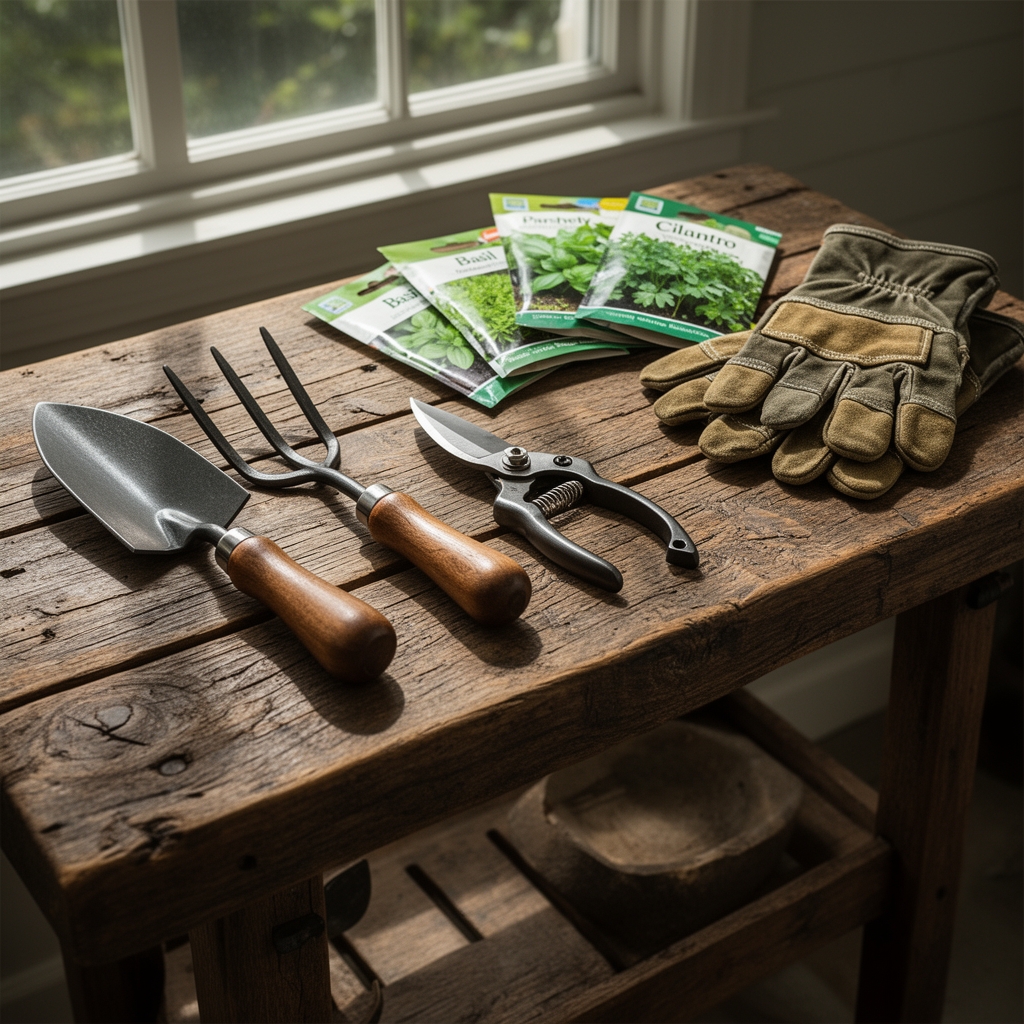
Equip your assessment toolkit with a digital camera capable of macro photography to document leaf morphology at 10x magnification. A hand lens (20x) reveals epidermal distortion and trichome damage. Collect baseline soil and tissue samples before suspected drift events. Send samples to laboratories offering LC-MS (liquid chromatography-mass spectrometry) analysis, which detects herbicide residues at parts-per-billion thresholds. Keep pH meters and EC (electrical conductivity) testers calibrated monthly. Maintain records of adjacent property treatments, wind speed logs, and temperature data. For remediation, stock activated charcoal amendments (0-0-0.5) at a rate of 2 pounds per 100 square feet to adsorb residual herbicides in the root zone. Foliar sprays containing humic acid (0-0-1) at 1 tablespoon per gallon support damaged chloroplasts. Kelp extracts (1-0.5-2.5) supply cytokinins that counteract auxin mimicry. Organic compost (3-2-2) improves cation exchange capacity, binding herbicide molecules to organic matter and reducing plant uptake.
Timing
Herbicide drift peaks during late spring and summer when homeowners and agricultural operators apply broadleaf weed controls. In hardiness zones 5 through 7, the critical window spans mid-April through September. Zones 8 and 9 face year-round risk due to extended growing seasons and frequent lawn maintenance. Monitor drift potential when wind speeds exceed 3 mph or temperatures climb above 80°F. Vapor drift from dicamba formulations occurs even 72 hours post-application during temperature inversions at dawn. Schedule your garden inspections every three days during high-risk months. Document observations within 24 hours of symptom appearance. Auxin-type herbicides disrupt cell elongation within six hours of contact, but visible symptoms lag by two to five days. Glyphosate interference with the shikimate pathway manifests as chlorosis within seven to ten days. Early-season drift on seedlings causes permanent stunting. Mid-season exposure distorts fruiting structures and reduces yield by 40 to 70 percent.
Phases

Sowing
Establish sentinel plantings of sensitive species such as tomatoes, cucumbers, and grapes along property boundaries. These bioindicators reveal sublethal drift before it impacts primary crops. Plant them 15 feet from fence lines in zones most exposed to prevailing winds. Apply mycorrhizal fungi inoculant (Glomus intraradices) at 1 teaspoon per transplant hole. The fungal network improves root resilience and nutrient scavenging, offsetting herbicide stress on phosphorus uptake.
Pro-Tip: Sow buckwheat (Fagopyrum esculentum) as a trap crop in 3-foot-wide buffer strips. Buckwheat exhibits extreme sensitivity to phenoxy herbicides, displaying leaf curl within 18 hours of exposure.
Transplanting
Inspect transplants weekly for asymmetrical growth, parallel venation in normally net-veined leaves, and stem twisting. Photograph each plant from identical angles using a fixed focal length. Compare images side-by-side to detect subtle changes. Measure petiole angles with a protractor. Healthy petioles attach at 45 to 60 degrees. Herbicide-damaged petioles bend downward past 90 degrees or spiral. Record new leaf dimensions. Auxin herbicides cause narrow, strap-like leaves with 50 percent reduction in lamina width.
Pro-Tip: Mark three representative plants per bed with colored flagging tape. Measure internode length every five days. Compressed internodes (less than 0.5 inches in species that normally exceed 2 inches) indicate growth regulator interference.
Establishing
Examine root systems by carefully excavating soil around one plant per week. Healthy roots exhibit white tips and lateral branching every 0.25 inches. Drift-damaged roots show brown discoloration, thickened primary roots (club-root appearance without pathogen), and suppressed lateral development. Check for herbicide-specific signatures. Glyphosate causes yellowing that begins in the youngest tissue. Dicamba creates cupping where leaf margins curl upward, forming a taco shape. 2,4-D produces downward cupping and feathery, fern-like new growth.
Pro-Tip: Conduct the "shake test" on mature leaves. Grasp the midrib and shake vigorously. Herbicide-damaged leaves tear easily along the veins due to disrupted lignin synthesis.
Troubleshooting
Symptom: Cupped leaves with prominent parallel veins in tomatoes and beans.
Solution: Discontinue foliar feeding for 10 days to reduce stress. Apply liquid calcium (0-0-0 plus 10% Ca) at 2 tablespoons per gallon to stabilize cell walls. Remove heavily damaged tissue to redirect resources.
Symptom: Twisted petioles forming corkscrew shapes.
Solution: Document with time-stamped photographs. Collect leaf samples in sealed plastic bags, freeze immediately, and submit for laboratory analysis within 48 hours. Test results confirm herbicide presence and support legal action.
Symptom: New growth emerges white or yellow with green veins (not to be confused with iron chlorosis).
Solution: Rule out glyphosate by testing soil pH. If pH remains between 6.0 and 7.0 and iron is adequate, suspect drift. Foliar-apply iron chelate (6% Fe-EDDHA) at manufacturer rates only after confirming herbicide residue.
Symptom: Onion-leaf appearance in broadleaf plants (narrow, elongated, and grasslike).
Solution: Prune affected growth at a 30-degree angle just above a node with dormant buds. Paint cuts with diluted kelp solution (1:10 ratio) to stimulate auxin-independent growth from latent meristems.
Symptom: Fruit develops surface puckering, uneven ripening, or cat-facing.
Solution: These fruits remain safe to eat but lack marketability. Process immediately into sauces or preserves. Increase soil organic matter to 5 percent by volume before the next season to buffer future drift events.
Maintenance
Water established plants with 1 inch per week, delivered in a single deep soaking to encourage root growth below the herbicide-affected surface layer. Avoid overhead irrigation, which spreads residues on foliage. Mulch with 3 inches of shredded hardwood bark to prevent rain splash. Apply foliar kelp spray at 1 tablespoon per gallon every 14 days from transplanting through fruit set. Supplement with fish emulsion (5-1-1) at half-strength (1 tablespoon per gallon) every 21 days to supply amino acids that support enzyme repair. Prune damaged tissue at 45-degree angles during morning hours when turgor pressure is highest, minimizing wound size. Sterilize pruners between cuts in a 10 percent bleach solution.
FAQ
How quickly do drift symptoms appear?
Auxin-mimic herbicides (2,4-D, dicamba) cause visible distortion within 48 to 96 hours. Glyphosate requires 7 to 10 days. Temperature and plant growth rate influence onset.
Can I save drift-damaged plants?
Mild exposure allows recovery over 30 to 60 days if less than 30 percent of foliage is affected. Severe damage (over 50 percent) usually results in plant loss or unmarketable yields.
Does activated charcoal reverse herbicide damage?
Charcoal binds herbicides in soil, preventing further uptake. It does not reverse cellular damage already present. Apply within 24 hours of suspected drift for best results.
Will my soil remain contaminated?
Phenoxy herbicides degrade in 14 to 90 days depending on soil temperature, moisture, and microbial activity. Glyphosate binds tightly to soil particles with half-lives of 30 to 60 days.
Should I notify my neighbor?
Yes. Present photographic evidence and laboratory results calmly. Propose shared buffer plantings or coordinate application schedules. Many drift cases stem from applicator error rather than malice.