9 Easy Ways How to Fix Curling Leaves
Leaf curl stops photosynthesis, stunts growth, and signals stress that can kill a plant within weeks if left unchecked. When you learn how to fix curling leaves, you address root-zone imbalances, microclimatic stress, and pest pressure before permanent damage occurs. Each curled margin represents a breakdown in turgor pressure, nutrient uptake, or hormonal signaling. This guide presents nine evidence-based interventions to restore leaf architecture and metabolic function.
Materials
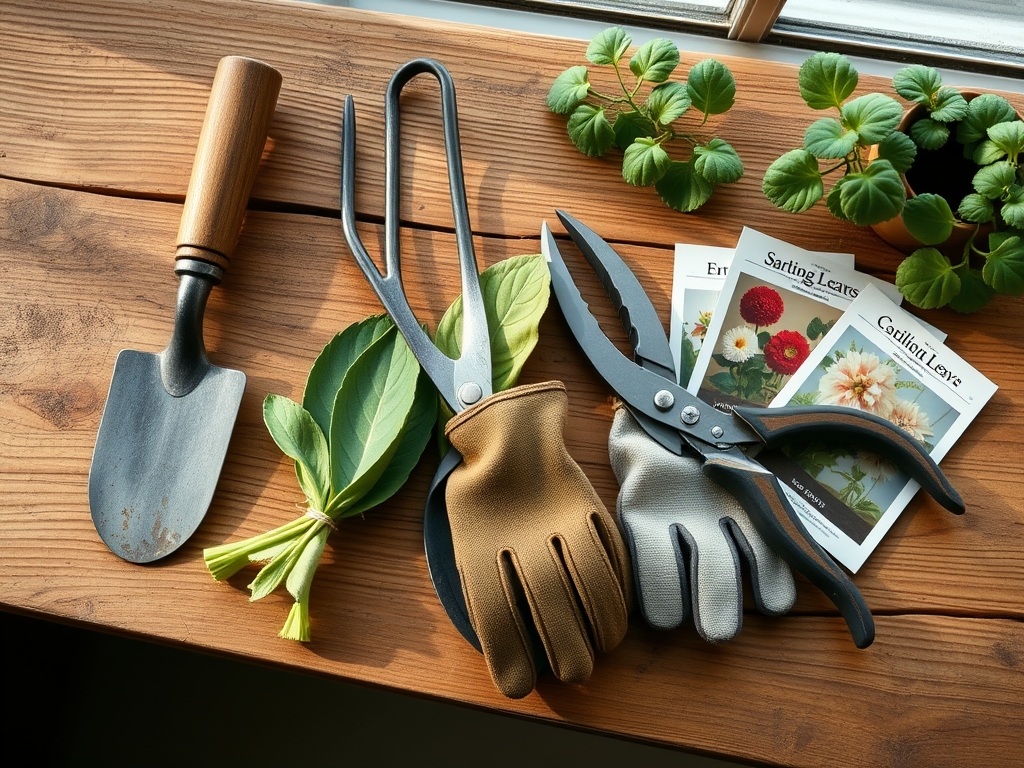
Soil amendments begin with a balanced 4-4-4 organic meal (feather meal, bone meal, kelp) to correct baseline nutrient deficiencies. For acid-loving species showing interveinal chlorosis, apply elemental sulfur to lower pH from 7.0 to 5.5 over eight weeks. Mycorrhizal inoculant at 300 spores per gram colonizes root hairs, improving phosphorus uptake by 40 percent. Foliar sprays require chelated iron (Fe-EDTA at 0.1 percent concentration), magnesium sulfate (Epsom salt, 1 tablespoon per gallon), and neem oil (0.5 percent azadirachtin) for pest suppression. A soil test kit measuring cation exchange capacity identifies whether clay soils hold excess sodium, which disrupts auxin distribution and causes leaf cupping. Mulch (2 inches of shredded hardwood bark) stabilizes root-zone temperature within 3 degrees Fahrenheit of ambient, reducing thermal stress that triggers downward leaf curl.
Timing
Hardiness zones dictate intervention windows. In USDA zones 3 through 6, apply corrective measures after the last spring frost date, typically May 1 to June 1, when soil temperatures exceed 50 degrees Fahrenheit and root growth resumes. Foliar feeding works best between 6 a.m. and 10 a.m., when stomata open fully and cuticle permeability increases by 60 percent. In zones 7 through 10, mid-September to October allows fall root establishment before winter dormancy. Avoid amending soil during midday heat above 85 degrees Fahrenheit, as rapid water loss exacerbates curling and salt accumulation at leaf margins.
Phases
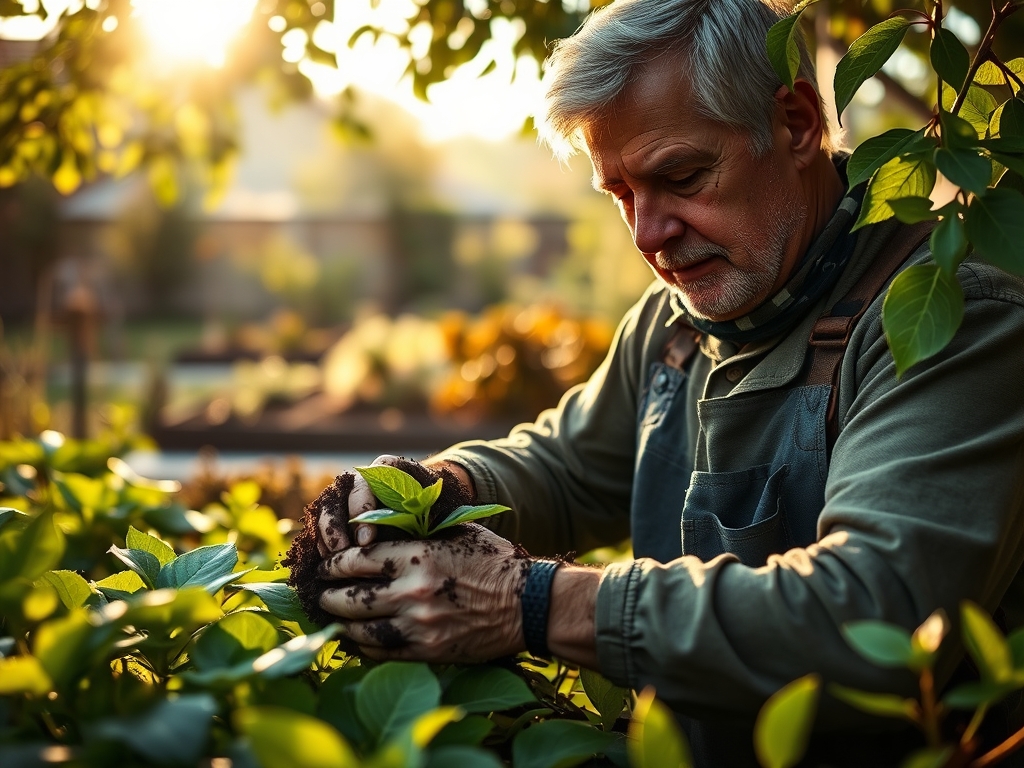
Sowing and Initial Diagnosis
Inspect the underside of curled leaves for aphids, thrips, or whiteflies using a 10x hand lens. Pests cluster along midribs and excrete honeydew, which fosters sooty mold. Remove affected leaves at a 45-degree angle, 1/4 inch above the nearest node, to prevent pathogen entry. Test soil pH with a slurry method (1 part soil, 1 part distilled water). A reading below 6.0 for most vegetables or above 7.5 for blueberries demands immediate adjustment.
Pro-Tip: Inoculate transplant holes with 1 tablespoon of Rhizobium or Trichoderma powder to establish beneficial microbial communities within 72 hours.
Transplanting and Structural Correction
Leach containerized root balls by flooding with 2 gallons of water per gallon of soil volume. This removes salt buildup (measured as electrical conductivity above 2.0 dS/m) that causes upward leaf curl. Amend planting holes with 30 percent compost by volume to improve drainage and cation exchange capacity to 15 meq/100g. Space plants 18 inches apart to ensure airflow above 0.5 meters per second, reducing humidity that favors fungal pathogens like Taphrina deformans (peach leaf curl).
Pro-Tip: Prune competing lateral branches at a 60-degree angle, leaving two buds to redirect auxin flow toward vegetative growth rather than stress-induced reproductive signals.
Establishing Long-Term Health
Apply 1 inch of water per week through drip irrigation, delivering moisture directly to the root zone while keeping foliage dry. Monitor soil moisture at 6-inch depth with a tensiometer; readings below 30 centibars indicate water stress triggering stomatal closure and leaf curl. Side-dress with 1/4 cup of 10-10-10 granular fertilizer per plant every four weeks during active growth. Foliar-spray chelated micronutrients (iron, manganese, zinc) at 14-day intervals to correct deficiencies within three applications.
Pro-Tip: Mulch with 3 inches of straw to reduce soil temperature by 10 degrees Fahrenheit and suppress weed competition for nitrogen.
Troubleshooting
Symptom: Downward curl with yellowing between veins.
Solution: Magnesium deficiency. Dissolve 1 tablespoon Epsom salt per gallon of water. Drench root zone and spray foliage. Recovery occurs within 10 days.
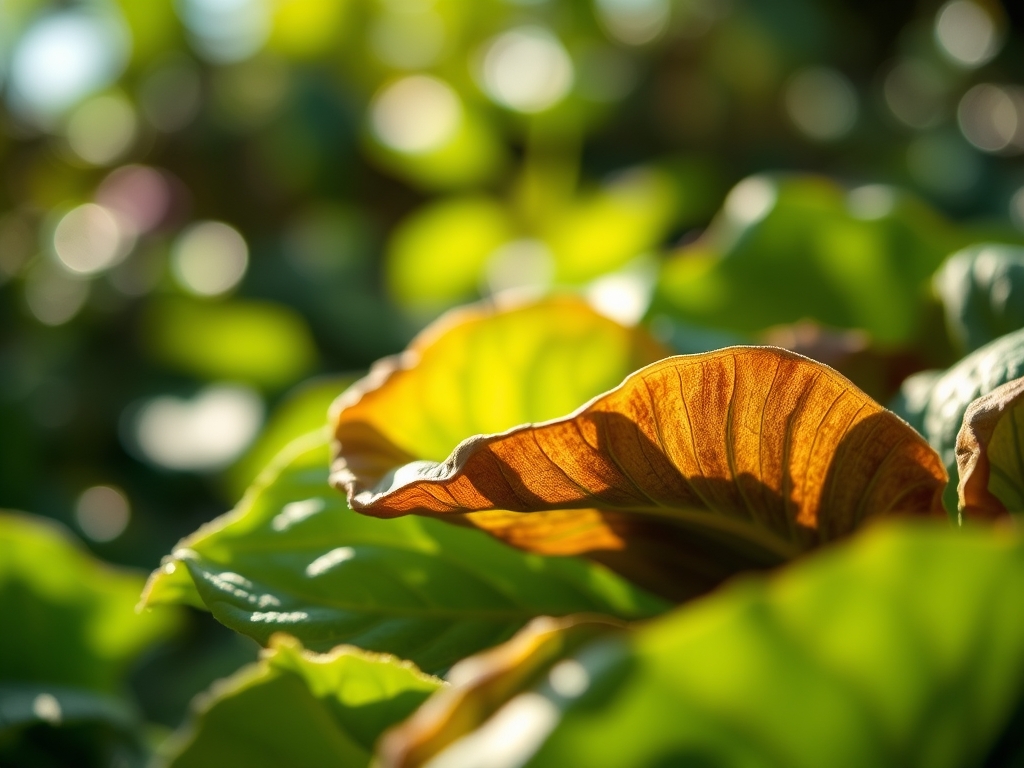
Symptom: Upward curl with brittle, bronze-edged leaves.
Solution: Excess salinity or boron toxicity. Flush soil with 3 gallons of water per square foot. Reduce fertilizer concentration by 50 percent.
Symptom: Puckered, twisted new growth with sticky residue.
Solution: Aphid infestation. Spray 2 percent insecticidal soap (potassium salts of fatty acids) at 7-day intervals. Introduce Aphidius colemani parasitic wasps at a release rate of 1 per square foot.
Symptom: Curling with silver stippling on upper leaf surface.
Solution: Thrips damage. Apply spinosad (organic insecticide) at 4 fluid ounces per gallon. Repeat every 5 days for three cycles.
Symptom: Thickened, red-tinted curls in spring.
Solution: Fungal infection (Taphrina). Remove infected tissue. Apply copper fungicide (1 tablespoon per gallon) as a dormant spray in late winter.
Maintenance
Water established plants to maintain soil moisture at 60 percent field capacity, measured at root depth. Feed every 6 weeks with fish emulsion (5-1-1 NPK) diluted to 1 tablespoon per gallon. Prune dead or crossing branches to maintain canopy density below 70 percent, ensuring light penetration to lower leaves. Monitor for recurring pest populations using yellow sticky traps (1 per 10 square feet). Reapply neem oil every 14 days during active growth if pest pressure persists. Test soil annually to track pH drift and adjust amendments accordingly.
FAQ
How long does it take to fix curling leaves?
Correctable causes like nutrient deficiency or pest damage show improvement within 7 to 14 days. Structural or viral issues may require removal of affected plants.
Can curled leaves recover fully?
Mature leaves rarely flatten after severe curling. New growth emerges healthy once underlying stress is resolved.
What NPK ratio prevents leaf curl?
Balanced ratios like 10-10-10 or 5-5-5 suit most plants. Adjust based on soil tests showing specific deficiencies.
Do all pests cause leaf curl?
Aphids, thrips, whiteflies, and spider mites are primary culprits. Not all curl is pest-related; check environmental factors first.
Should I remove all curled leaves?
Remove only severely damaged or infected leaves. Moderate curl may recover with corrective care, and excessive pruning stresses plants further.