9 Easy Ways How to Fix Soil Compaction
Compacted soil resists the spade. Water pools on the surface for hours after rain. Roots curl back on themselves rather than penetrate downward. These signs indicate soil particles have collapsed into dense layers that exclude air, water, and biological activity. Learning how to fix soil compaction transforms stagnant ground into a medium where roots expand freely and microbial populations thrive. The solution requires mechanical disruption, organic matter integration, and strategic planting to restore soil structure at multiple depths.
Materials
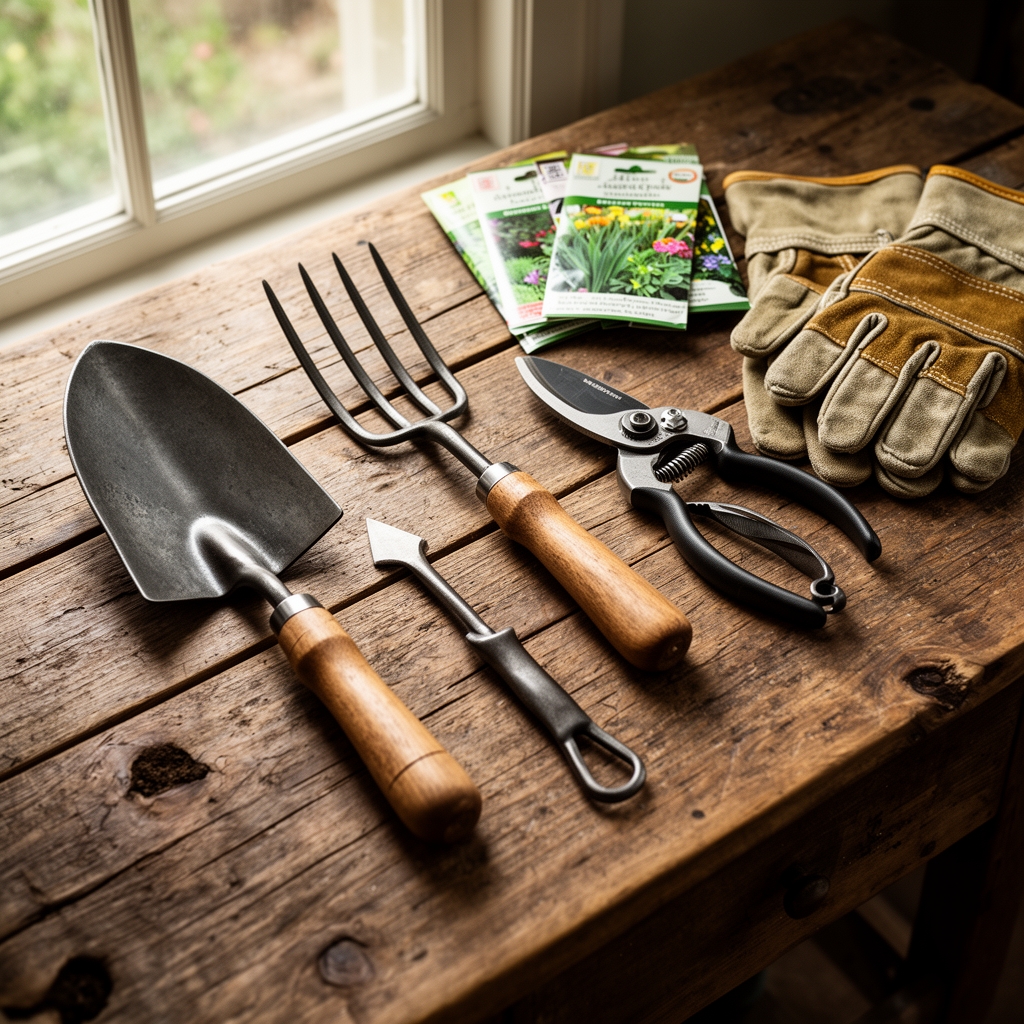
Select amendments based on current soil pH and nutrient deficiencies. Compost aged for six months supplies 1.5-2-1 NPK ratios and improves cation exchange capacity by 15-30%. Composted manure delivers 0.5-0.5-0.5 with higher microbial counts. Alfalfa meal (3-1-2) raises pH by 0.3-0.5 units over twelve weeks, suitable for acidic soils below 6.2. Gypsum (calcium sulfate) breaks sodium bonds in clay without altering pH, applying at 40 pounds per 1,000 square feet for sodic conditions. Biochar increases porosity by 18-25% when incorporated at 10% volume. Mycorrhizal fungi inoculants (Glomus intraradices, Rhizophagus irregularis) colonize root surfaces within 21 days and extend nutrient uptake radius by 4-6 inches. A broadfork with 12-inch tines penetrates compacted layers without inverting horizons. A soil penetrometer quantifies resistance above 300 psi, the threshold where root growth ceases.
Timing
Execute soil remediation when moisture content allows aggregates to fracture cleanly. In Zones 3-5, work soil in late April through May when ground thaws to 8-10 inches and surface dries to 40-50% field capacity. Zones 6-7 permit autumn correction from mid-September through October, allowing amendments to mineralize before spring planting. Zones 8-10 schedule intervention during winter dormancy, December through February, when reduced evapotranspiration maintains stable moisture. Avoid working saturated soil; this smears clay particles and worsens compaction. Wait until a squeezed handful crumbles apart rather than forming a ribbon. Last spring frost dates govern cover crop seeding: oats and field peas germinate at 38°F, establishing roots within 14 days to stabilize loosened soil.
Phases

Initial Disruption
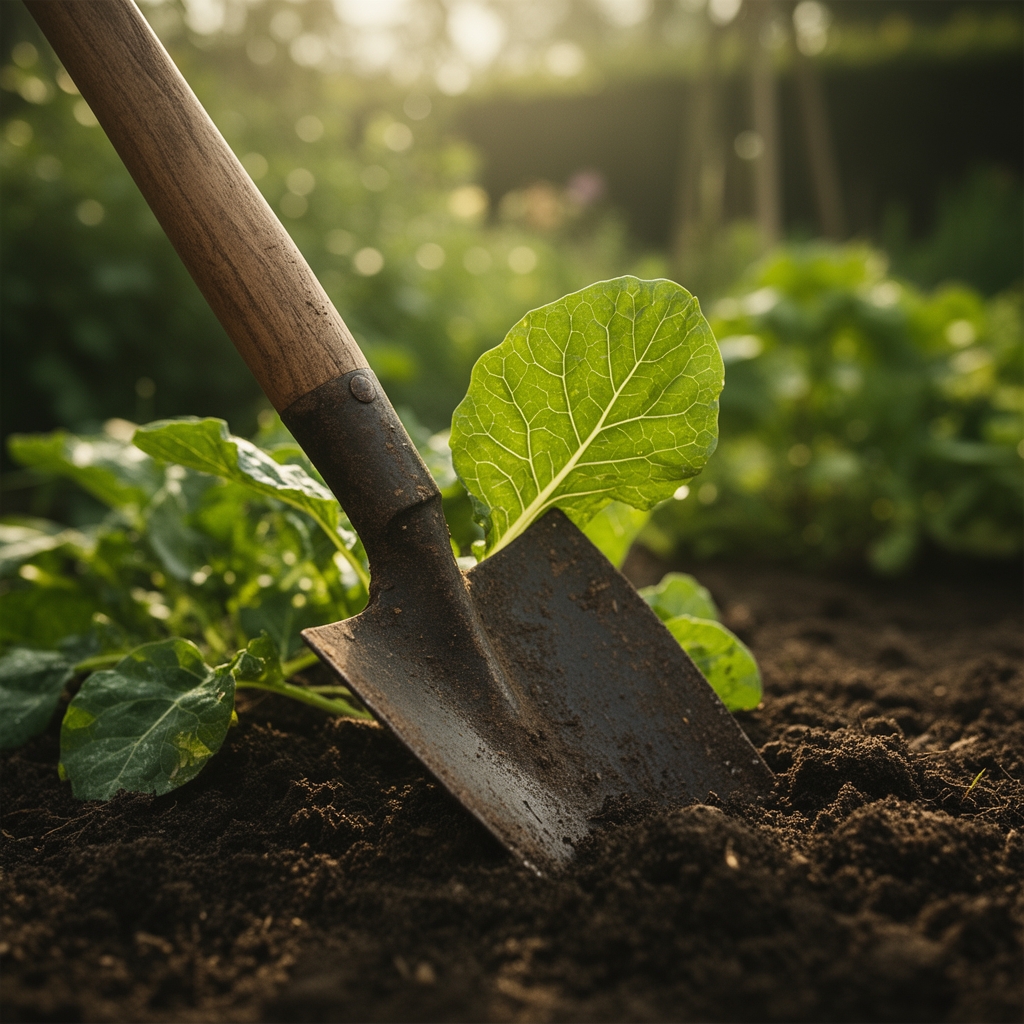
Drive broadfork tines to full depth every 6 inches across the compacted area. Rock the handles back 30 degrees to fracture horizontal pans without mixing layers. This preserves soil microbiome stratification while creating vertical channels. Compaction layers between 8-14 inches require subsoiling with a single-shank ripper if penetrometer readings exceed 400 psi.
Pro-Tip: Mark areas where tines meet maximum resistance. These zones need double passes rotated 90 degrees to fully disrupt cemented layers.
Amendment Integration
Spread 3-4 inches of compost across the loosened surface. Incorporate to 6-8 inch depth using a spading fork in 12-inch sections. This rate supplies 80-120 pounds of organic matter per 100 square feet, increasing soil organic carbon by 0.4-0.7% annually. Add gypsum simultaneously in clay soils testing above 15% exchangeable sodium. Biochar incorporation requires thorough mixing; concentrated pockets repel water.
Pro-Tip: Pre-soak biochar in compost tea (1:5 ratio) for 48 hours. This inoculates pore spaces with beneficial bacteria and prevents initial nitrogen immobilization.
Biological Establishment
Seed daikon radish (tillage radish) at 8 pounds per acre immediately after amendment. Taproots penetrate 24-30 inches within 60 days, creating permanent macropores that persist after winter kill. Alternate rows with crimson clover inoculated with Rhizobium leguminosarum, fixing 90-130 pounds of nitrogen per acre while roots exude glomalin. This glycoprotein stabilizes soil aggregates and increases water-holding capacity by 12-18%. Allow 90-120 days of growth before termination.
Pro-Tip: Mow cover crops at 10% bloom stage. Residue carbon-to-nitrogen ratios of 25:1 decompose within 21 days without tying up available nitrogen during cash crop establishment.
Troubleshooting
Symptom: Water pools persist 6+ hours after irrigation.
Solution: Compaction remains below working depth. Subsoil to 16 inches, then backfill channels with coarse sand (0.5-2mm particle size) mixed 1:1 with compost.
Symptom: Plant roots form J-hooks at 4-6 inch depth.
Solution: Plow pan intact. Re-till affected zone when soil moisture reaches 30-35% (drier than initial intervention). Incorporate additional biochar at 15% volume.
Symptom: Soil re-compacts within one growing season.
Solution: Insufficient organic matter or premature trafficking. Raise organic content to 5% minimum. Restrict foot and equipment traffic to designated paths. Install 4-inch wood chip mulch on pathways.
Symptom: Seedlings emerge unevenly with 40%+ gaps.
Solution: Air pockets or dense clods remain. Roll seedbed with 200-pound cultipacker before planting. This ensures seed-to-soil contact without re-compacting deeper layers.
Maintenance
Apply 1.5 inches of water weekly during active growth, delivered in two 0.75-inch sessions to prevent surface sealing. Maintain 3-inch mulch layer (shredded leaves, straw, or aged wood chips) to buffer raindrop impact and moderate temperature fluctuations. Mulch decomposition contributes 0.3-0.5% organic matter annually. Test soil structure each spring by excavating a 12-inch cube. Friable soil fractures along natural aggregate lines. Add 1 inch of compost topdressing annually until 25% of volume consists of pores larger than 0.05mm. Rotate deep-rooted crops (alfalfa, chicory, forage brassicas) every three years to maintain biopores. Never till when moisture exceeds 60% field capacity. Install permanent bed systems to confine compaction to pathways, protecting 70-80% of growing area.
FAQ
How long does it take to fix compacted soil?
Severe compaction requires 2-3 years. Initial mechanical disruption provides immediate improvement, but stable aggregation depends on organic matter accumulation at 0.5-1% annually.
Can I fix compaction without tilling?
Yes. Establish deep-rooted perennials (comfrey, alfalfa) and apply 4-6 inches of compost annually. Earthworm populations increase 300-500% within 18 months, creating natural channels.
What soil test indicates compaction?
Bulk density above 1.4 g/cm³ in loam or 1.6 g/cm³ in clay signals restriction. Penetrometer resistance exceeding 300 psi confirms root-limiting conditions.
Does gypsum fix all compacted soils?
No. Gypsum addresses sodium-induced dispersion in clay. It does not remedy compaction from machinery traffic or low organic matter in sandy or loam soils.
How do I prevent recompaction?
Eliminate traffic on wet soil. Maintain organic matter above 5%. Use permanent pathways and reduce tillage intensity to preserve aggregate structure formed by roots and fungi.