9 Easy Ways How to Fix Woody Carrots
The fibrous, tough texture of a woody carrot signals a breakdown in cellular development, often tied to late harvest, excess nitrogen, or prolonged drought stress. Learning how to fix woody carrots begins with understanding that lignification, the process by which plant tissues harden, accelerates when roots mature beyond their optimal harvest window or face environmental extremes. Once a carrot becomes woody, no culinary technique fully reverses the structural change, but strategic growing practices prevent the problem and salvage tactics improve palatability for already-affected roots.
Materials
Soil pH between 6.0 and 6.8 supports optimal nutrient uptake for carrot roots. Test kits reveal cation exchange capacity, which dictates how well the soil holds calcium and magnesium, both critical for cell wall integrity. Amend clay or compacted soils with 2 inches of aged compost and coarse sand at a 1:1 ratio to improve drainage and reduce root splitting.
Apply a balanced organic fertilizer rated 4-4-4 or 5-5-5 at planting. Avoid high-nitrogen blends above 10-5-5, as excessive nitrogen diverts energy toward foliage rather than root sweetness, increasing the risk of woody cores. Bone meal or rock phosphate supplies phosphorus for root elongation. Incorporate mycorrhizal fungi inoculant at seeding depth to enhance phosphorus absorption and water retention.
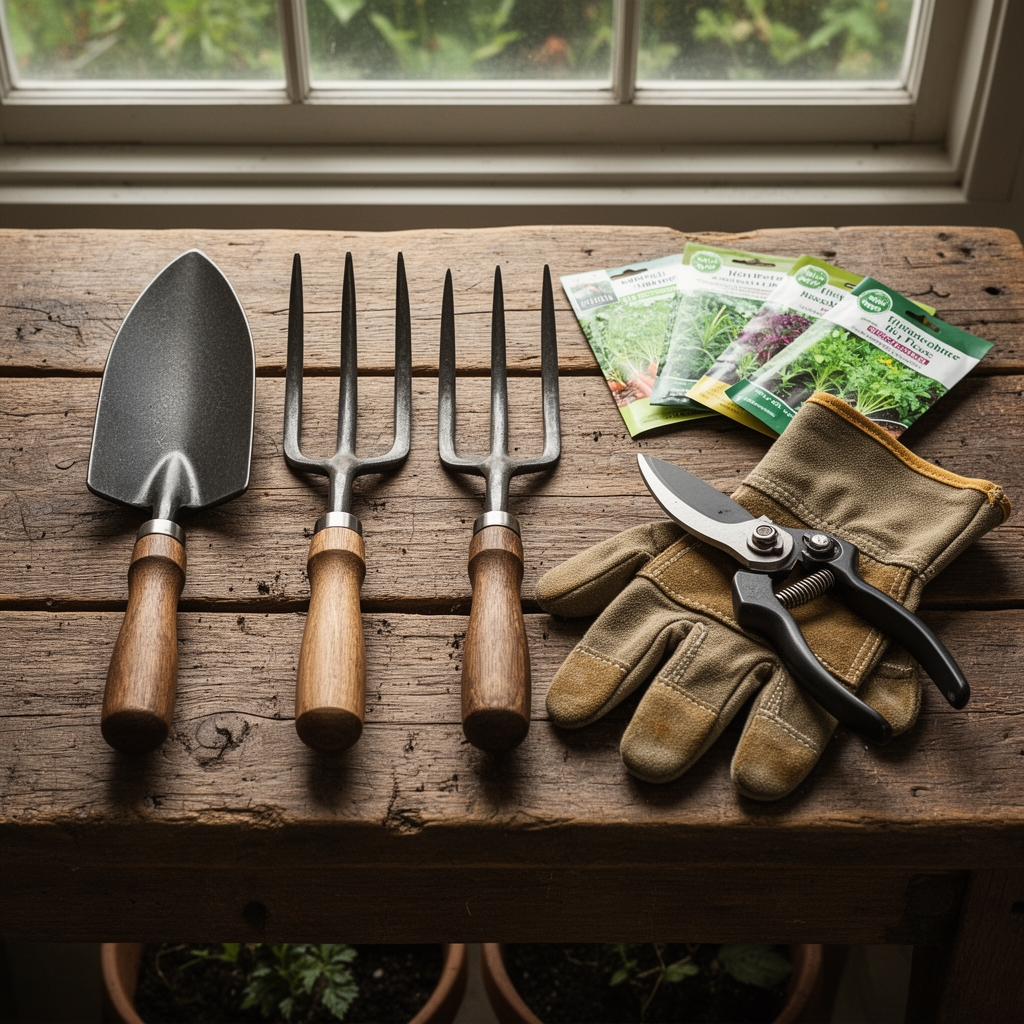
A broadfork or garden fork loosens soil to 12 inches without inverting layers. This preserves beneficial microbe populations and prevents compaction that forces roots to fork or develop dense, fibrous centers.
Timing
Carrot cultivars divide into early (50-60 days), mid-season (65-75 days), and storage types (75-90 days). Zones 3-5 require sowing two weeks after the last spring frost, when soil reaches 45°F. Zones 6-8 benefit from late-summer sowings in mid-July for fall harvest, avoiding peak heat that triggers premature lignification.
Harvest early varieties within their maturity window. Leaving roots in the ground beyond 10 days past labeled maturity increases lignin deposits in the xylem, creating the characteristic woody core. Storage varieties tolerate longer soil residence, but only if consistent moisture and moderate temperatures persist.
Fall crops in Zones 7-9 may overwinter under 6 inches of straw mulch, provided soil does not freeze solid. However, roots left dormant past 120 days in soil develop secondary cambium growth, thickening the core and degrading texture.
Phases
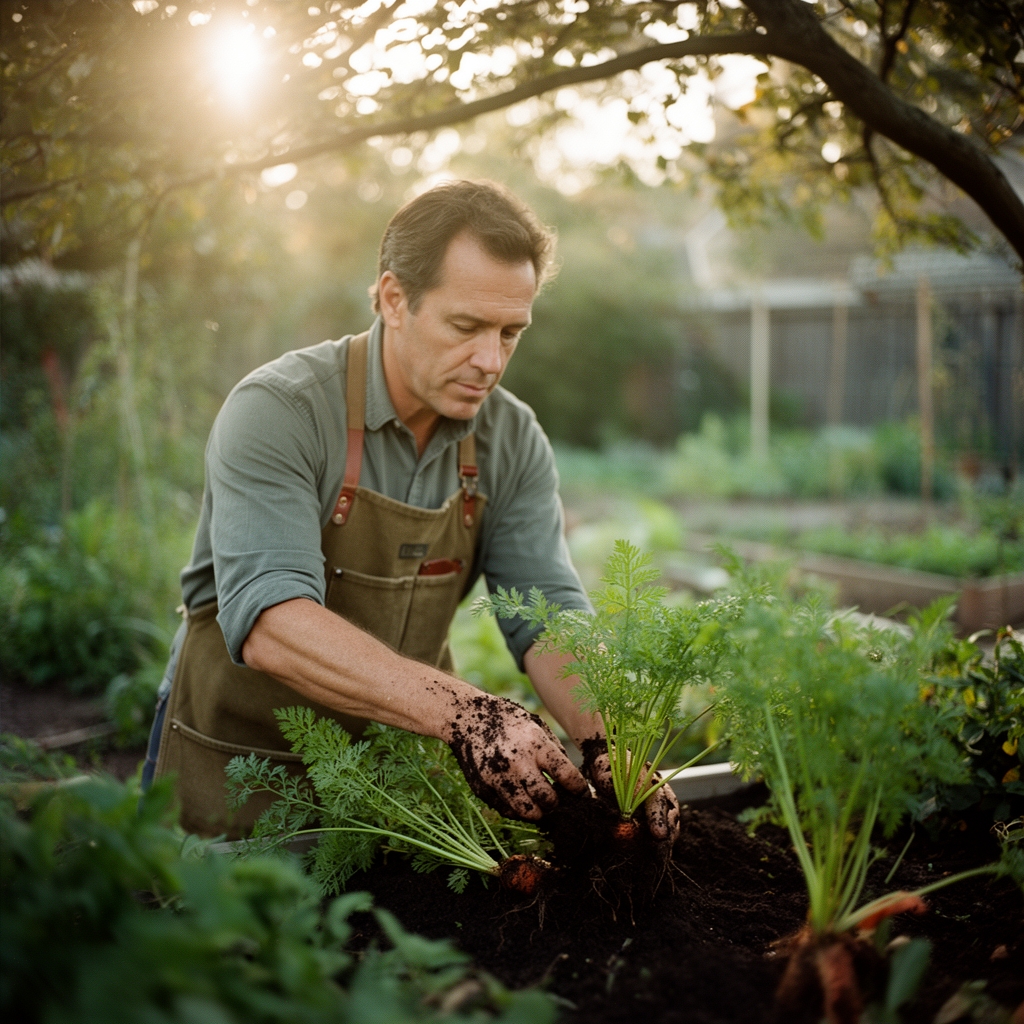
Sowing: Broadcast seeds thinly, aiming for 3-4 seeds per inch in rows spaced 12 inches apart. Cover with 1/4 inch of fine compost or vermiculite. Firm the soil with a rake back to ensure seed-to-soil contact, which stabilizes moisture uptake during the 10-14 day germination period. Water with a mist setting to avoid displacing seeds.
Pro-Tip: Pre-germinate seeds by wrapping them in damp paper towels for 48 hours at 70°F. This shortens germination time by 3-5 days and produces more uniform stands, reducing competition that stunts individual roots.
Transplanting: Carrots resent root disturbance, so direct seeding is standard. If starting indoors in soil blocks for experimental purposes, transplant at the two-leaf stage within 21 days to prevent taproot coiling.
Pro-Tip: Use 2-inch soil blocks with a conical dibber hole to guide the taproot downward. Harden off seedlings for 5 days, reducing water by half to slow top growth and encourage auxin distribution toward root development.
Establishing: Thin seedlings to 2-3 inches apart when tops reach 2 inches tall. Crowding forces roots to compete, resulting in malformed, woody specimens. Mulch rows with 1 inch of straw to stabilize soil temperature and retain moisture.
Pro-Tip: Side-dress with compost tea diluted 1:4 at 30 days post-germination. This delivers soluble calcium and trace boron, which regulate cell wall flexibility and prevent lignin buildup during rapid root expansion.
Troubleshooting
Symptom: Pale orange color and tough texture.
Solution: Insufficient phosphorus or magnesium. Foliar spray with 1 tablespoon Epsom salt per gallon every 10 days until color deepens.
Symptom: Cracked, fibrous shoulders.
Solution: Inconsistent watering. Roots expand rapidly after drought, splitting the epidermis and triggering lignin as a wound response. Maintain 1 inch of water per week via drip irrigation.
Symptom: Forked or hairy roots.
Solution: Fresh manure or compacted soil. Carrots encounter obstructions and divert energy into lateral growth, creating coarse fibers. Use only fully composted amendments and deep-till before planting.
Symptom: Bitter, woody core despite timely harvest.
Solution: Heat stress above 85°F during root bulking. Shade cloth rated 30% reduces soil temperature by 8-10°F, slowing lignification.
Symptom: Carrot rust fly larvae tunneling.
Solution: Floating row covers from seeding through harvest. Rotate plantings 300 feet from previous carrot family crops to break pest cycles.
Maintenance
Irrigate with 1 inch of water per week, delivered in two 0.5-inch sessions to maintain even moisture at 6-8 inches deep. Install a rain gauge to track natural precipitation. Drip tape positioned 2 inches from the row reduces foliar disease and prevents surface crusting.
Weed by hand within 4 inches of carrot tops. Hoes damage shallow feeder roots, stressing the plant and accelerating lignin production. Apply 2 inches of straw mulch after thinning to suppress weed germination.
Side-dress with 2 tablespoons of 4-4-4 fertilizer per row foot at 45 days if foliage yellows. Avoid applications after 60 days, as late nitrogen promotes leaf growth at the expense of root quality.
FAQ
Can you soften woody carrots after harvest?
Peeling removes the outer layers where lignin concentrates. Grate or puree woody carrots into soups or stocks, where prolonged cooking breaks down some fibrous structures.
What causes only the core to be woody?
The central xylem lignifies first when roots mature past their window or endure moisture stress. Harvest on time and maintain consistent watering.
Do all carrot varieties get woody at the same rate?
Nantes types resist woodiness longer than Imperator varieties. Chantenay cultivars tolerate heavier soils and mature more uniformly, reducing lignin risk.
How does temperature affect carrot texture?
Temperatures above 80°F during root bulking accelerate respiration and lignin synthesis. Soil below 50°F slows growth, extending the tender harvest window by 7-10 days.
Is it safe to eat woody carrots?
Yes. Woodiness is a textural defect, not a toxicity issue. Nutritional content remains intact, though fiber density increases.