10 Pro Tips How to Use Fish Tank Nutrients
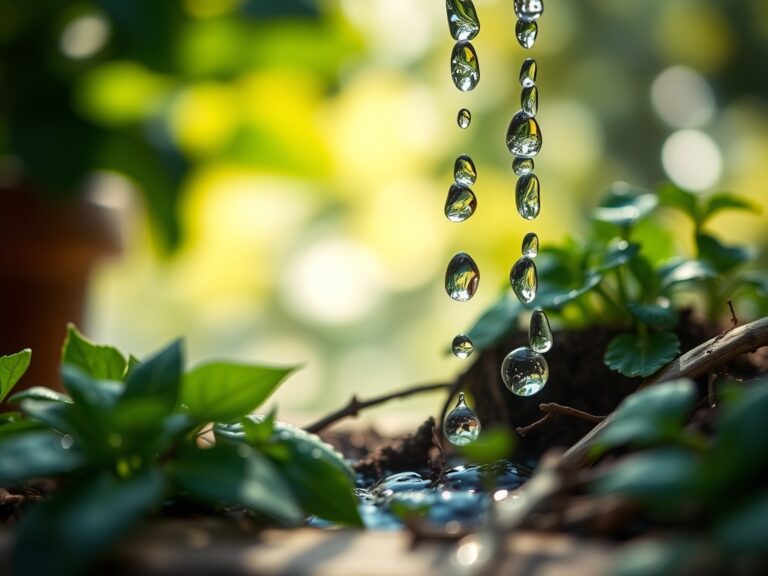
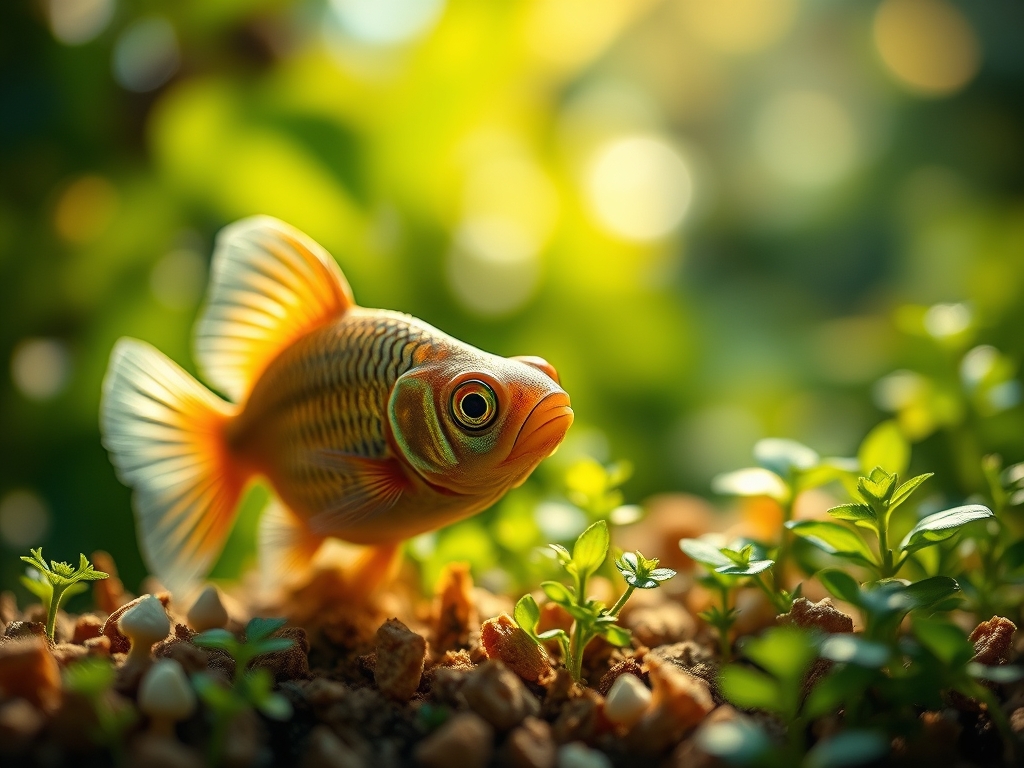
The smell of damp, oxygenated earth signifies a healthy rhizosphere where microbial activity thrives. When a plant possesses high turgor pressure, its cell walls are rigid and the foliage stands firm against gravity. Achieving this level of botanical health requires precise fertilization. Learning how to use fish tank nutrients allows a gardener to bypass synthetic salts in favor of organic nitrogen and trace minerals. This process utilizes the nitrogen cycle occurring within an aquarium to provide immediate bioavailability to terrestrial plants.
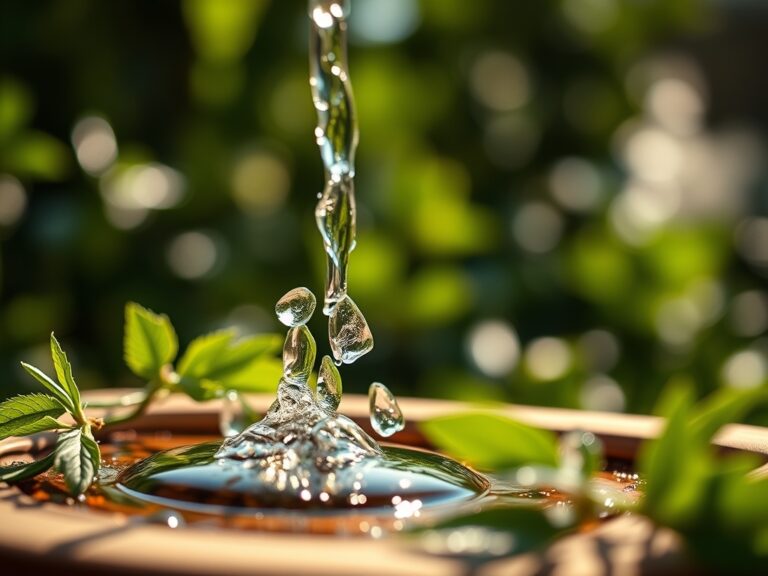
Aquarium water serves as a diluted liquid fertilizer containing nitrates, phosphates, and potassium. These elements are the byproduct of fish respiration and the decomposition of organic matter by Nitrosomonas and Nitrobacter bacteria. In a controlled horticultural environment, this effluent provides a consistent source of macronutrients that are easily absorbed through the root hairs. Utilizing this resource reduces the risk of nutrient lockout often caused by the accumulation of heavy mineral salts in the growing medium.
Materials:

The efficacy of aquarium water depends on the substrate it interacts with. A friable loam consisting of 40% sand, 40% silt, and 20% clay provides the ideal Cation Exchange Capacity (CEC). This soil structure allows for the retention of positively charged ions like calcium (Ca2+) and magnesium (Mg2+) while maintaining adequate pore space for oxygen.
Soil pH must be monitored closely; most garden crops thrive in a range of 6.2 to 6.8. Aquarium water typically maintains a neutral pH between 6.5 and 7.5, making it a stable amendment. The NPK ratio of fish tank water is generally low, often around 0.5-0.05-0.05, but it contains essential micronutrients such as iron and boron. For high-demand crops, supplement the aquarium water with organic bone meal or kelp meal to balance the phosphorus and potassium levels required for reproductive growth.
Timing:
In Hardiness Zones 5 through 7, the application window for liquid nutrients begins after the last spring frost, typically between April 15 and May 15. During the vegetative stage, plants require higher concentrations of nitrogen to build chlorophyll and leaf tissue. As the "Biological Clock" shifts from the vegetative to the reproductive stage, the plant's nutritional requirements change.
This transition is often triggered by the photoperiod, where shorter days signal the plant to allocate energy toward flower and seed production. Stop using high-nitrogen fish tank water during the final three weeks of a crop's life cycle to prevent late-season vegetative flushes that can delay senescence. Applying nutrients when the soil temperature is at least 65 degrees Fahrenheit ensures that soil microbes are active enough to process the organic compounds effectively.
Phases:

Sowing
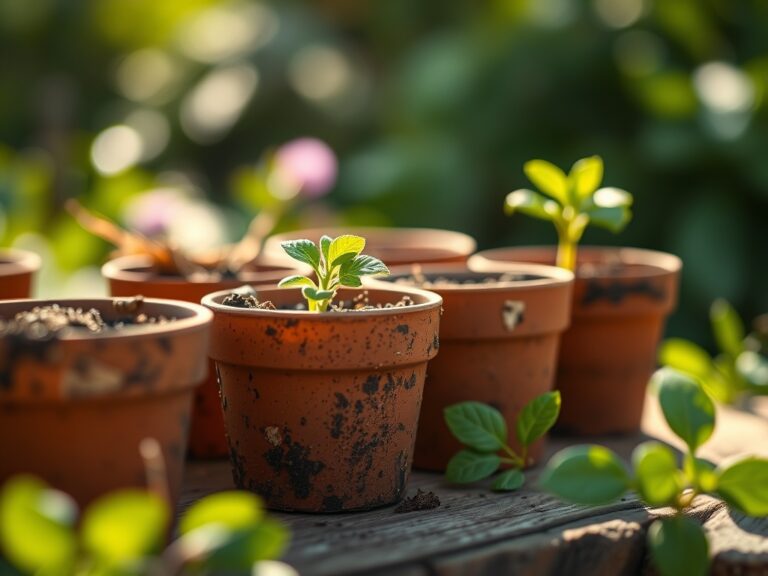
When starting seeds, use a sterile, soilless medium to prevent damping-off. Once the first set of true leaves appears, begin using diluted aquarium water. The low concentration of nutrients prevents osmotic shock to the delicate, emerging root systems.
Pro-Tip: Applying diluted fish tank water at the seedling stage encourages mycorrhizal symbiosis. The organic carbon in the water acts as a food source for beneficial fungi, which attach to the roots and extend the plant's reach for water and minerals.
Transplanting
During the move from a nursery pot to the field, plants experience transplant shock. Use aquarium water to drench the root ball immediately after setting the plant into its new hole. This provides an immediate dose of nitrates to support new root development.
Pro-Tip: The presence of trace hormones in fish waste can assist in auxin suppression in the roots, which temporarily slows vertical growth and encourages lateral root branching. This creates a more stable foundation for the plant.
Establishing
Once the plant is established, apply aquarium water once every seven to ten days. Ensure the water is at ambient temperature to avoid shocking the root zone. Cold water can cause temporary wilting by restricting the movement of water through the xylem.
Pro-Tip: Consistent application of organic nutrients maintains high turgor pressure. When cells are fully hydrated and nutrient-dense, the plant is more resistant to environmental stressors and physical damage.
The Clinic:
Physiological disorders often stem from an imbalance in the rhizosphere. Observe the plant closely for these specific indicators.
- Symptom: Interveinal Chlorosis. The leaves turn yellow while the veins remain green. This indicates a magnesium deficiency.
- Solution: Supplement your aquarium water with one teaspoon of Epsom salts per gallon. Magnesium is the central atom in the chlorophyll molecule; without it, photosynthesis halts.
- Symptom: Necrotic Leaf Margins. The edges of the leaves appear burnt or brown. This is a sign of potassium deficiency or salt buildup.
- Solution: Flush the soil with deionized water and reduce the frequency of fish tank nutrient applications.
- Symptom: Blossom End Rot. A dark, leathery spot appears on the bottom of fruits like tomatoes. This is caused by localized calcium deficiency.
- Fix-It: Ensure consistent soil moisture. Calcium is immobile in the plant and requires a steady stream of water through transpiration to reach the fruit. Use a soil moisture meter to maintain a consistent level of 60% saturation.
Maintenance:
Precision is required for long-term plant health. Provide 1.5 inches of water per week at the drip line. This ensures the water reaches the active root zone rather than just the surface. Use a hori-hori knife to check for soil compaction; if the blade cannot penetrate four inches easily, the soil needs aeration.
Pruning should be done with sharp bypass pruners to ensure clean cuts that heal quickly. Remove any yellowing lower leaves to improve airflow and reduce the risk of fungal infections. When applying fish tank nutrients, avoid wetting the foliage. Water the base of the plant directly to prevent pathogens from proliferating on the leaf surface.
The Yield:
Harvesting is the culmination of precise nutrient management. For leafy greens, harvest in the early morning when turgor pressure is at its peak. This ensures the crispest texture. For fruiting crops, wait until the fruit reaches its varietal color and the sugars have fully developed.
Post-harvest handling is critical for "day-one" freshness. Submerge harvested greens in cold, 34 to 38 degree Fahrenheit water to remove field heat immediately. This slows the rate of respiration and preserves the cellular structure. For woody herbs, use the hori-hori knife to take clean cuttings, then place the stems in a container of clean water to maintain hydration until use.
FAQ:
Can I use water from a saltwater tank?
No. High salinity will cause osmotic stress, leading to cellular dehydration and plant death. Saltwater will also destroy the soil structure by displacing essential ions like calcium and magnesium. Use only freshwater aquarium effluent for horticultural purposes.
Is fish tank water safe for edible plants?
Yes, provided the tank has not been treated with chemical medications or copper-based algaecides. These substances can be phytotoxic or accumulate in the plant tissue. Always ensure the fish are healthy and the water is free of synthetic additives.
How often should I apply fish tank nutrients?
Apply aquarium water during your regular watering schedule once every 7 to 10 days. This frequency provides a steady supply of nitrogen without over-saturating the soil or causing nutrient runoff into the local environment.
Does fish tank water smell in the garden?
When applied correctly to the soil, there is no lingering odor. The soil microbes quickly break down the organic matter. To prevent any scent, avoid getting the water on the foliage and ensure the soil has proper drainage.