7 Simple Steps to Prune Climbing Roses
The smell of damp earth and the iron tang of wet steel shears signal the start of the dormant season. A healthy climbing rose maintains high turgor pressure in its canes; the stems should feel firm and resist bending before the first hard freeze. Mastering the steps to prune climbing roses requires an understanding of apical dominance and the structural integrity of the plant. Without intervention, a climber becomes a tangled mass of unproductive wood that restricts airflow and invites fungal pathogens. Proper pruning redirects the plant's energy from maintaining old, woody tissue toward the development of vigorous new shoots. This process ensures a flush of blooms across the entire vertical plane rather than just at the tips of the tallest canes.
Materials:
Successful rose cultivation begins in the rhizosphere. Roses thrive in a friable loam with a **soil pH between 6.0 and 6.5**. This acidity level optimizes the Cation Exchange Capacity (CEC), allowing the root system to efficiently absorb metallic ions like iron and magnesium. Before pruning, assess the substrate density. It should crumble under light pressure, indicating a balance of sand, silt, and organic matter.
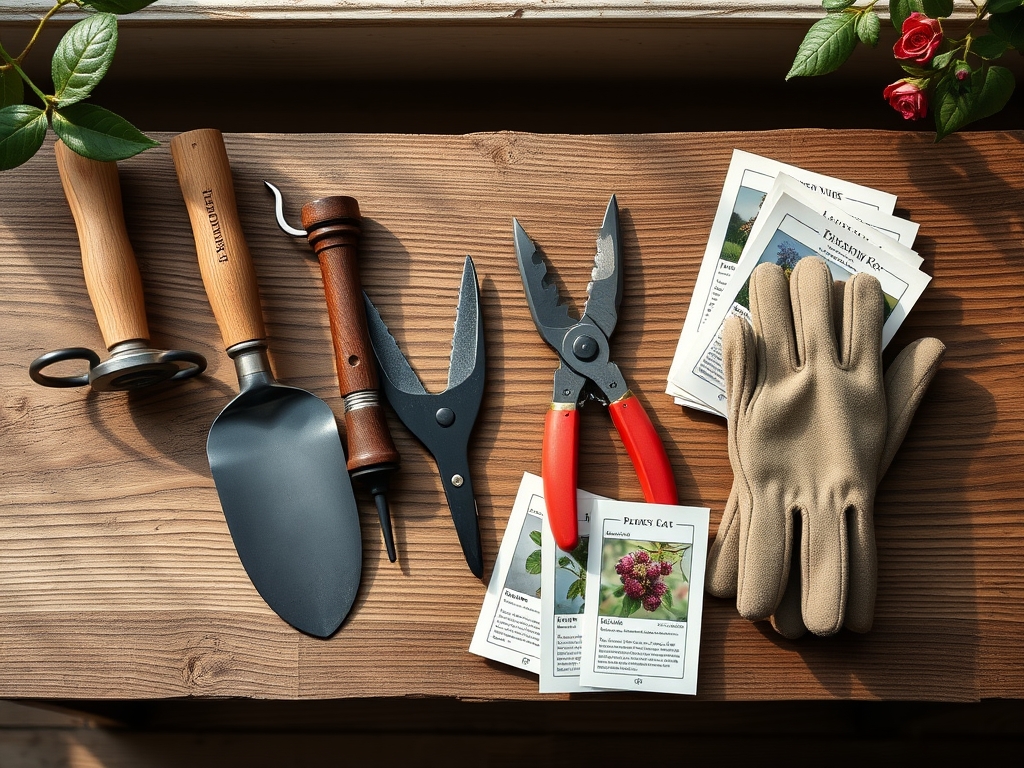
For supplemental feeding during the growing season, utilize a granular fertilizer with an NPK ratio of 5-10-5 or 10-10-10. High phosphorus (the middle number) is critical for root development and flower production. Avoid high-nitrogen fertilizers (above 15) during the late summer, as this triggers soft, vegetative growth that cannot survive the winter. You will also need bypass pruners for stems up to 0.5 inches thick and loppers for larger canes. Ensure all blades are sterilized with 70 percent isopropyl alcohol to prevent the transmission of Agrobacterium tumefaciens.
Timing:
The biological clock of a climbing rose is dictated by the photoperiod and soil temperature. In USDA Hardiness Zones 5 through 8, the ideal window for heavy pruning is late winter or early spring, just as the leaf buds begin to swell but before they break. This transition from senescence to the vegetative stage ensures the plant has maximum carbohydrate reserves stored in the roots.
Wait until the threat of a hard freeze (temperatures below 25 degrees Fahrenheit) has passed. Pruning too early can stimulate premature bud break; if a late frost hits, the tender new tissue will suffer from cellular rupture. Conversely, pruning too late in the spring wastes the plant's energy, as you will be removing "expensive" new growth that the rose has already invested nutrients into producing.
Phases:
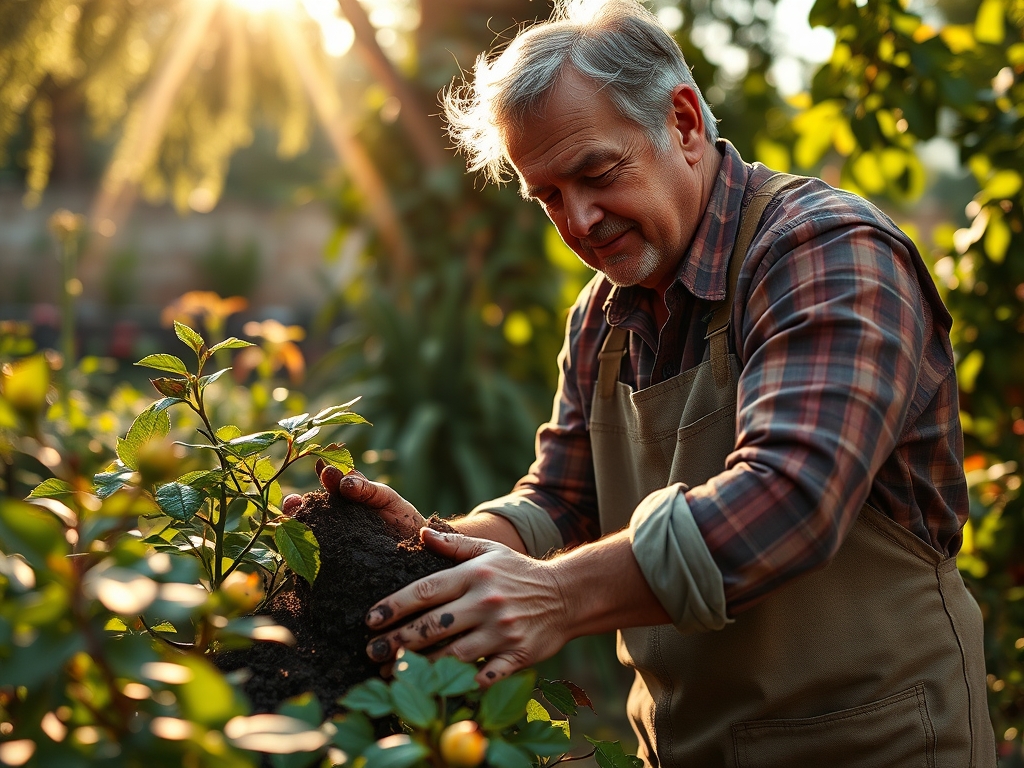
Sowing and Site Selection
Climbing roses are rarely grown from seed in a professional setting due to genetic variability. Instead, they are established from bare-root or containerized specimens. Select a site that receives at least six to eight hours of direct solar radiation. The soil must be excavated to a depth of 18 inches to accommodate the taproot and lateral feeder roots.
Pro-Tip: When planting, ensure the graft union (the bulge where the rose variety meets the rootstock) is 1 to 2 inches below the soil line in colder zones. This protects the scion from extreme thermal fluctuations through soil insulation.
Transplanting and Structural Training
During the first two years, focus on establishing the "framework." Unlike bush roses, climbers should not be heavily pruned in their infancy. Use soft ties to train the primary canes horizontally along a trellis or fence. This horizontal orientation suppresses apical dominance.
Pro-Tip: Training canes horizontally triggers the "Biological Why" of auxin redistribution. When a cane is vertical, auxins concentrate at the tip, inhibiting side growth. When horizontal, auxins distribute evenly, stimulating lateral buds to grow upward and produce more flowers.
Establishing the Pruning Routine
Once the rose is three years old, implement the standard steps to prune climbing roses. Start by removing the "Three Ds": dead, damaged, or diseased wood. Cut these canes back to the point of origin or to healthy white pith. Next, identify the oldest, greyish canes that have become unproductive and remove one or two of them at the base to encourage basal breaks.
Pro-Tip: Always make cuts at a 45-degree angle, approximately 0.25 inches above an outward-facing bud. This angle sheds water away from the bud, preventing localized rot and ensuring the new growth moves away from the center of the plant for better aeration.
The Clinic:
Physiological disorders often manifest through foliage discoloration or stunted elongation. Monitoring the plant's vascular health is essential for long-term productivity.
- Nitrogen Chlorosis: Symptoms include a uniform yellowing of older leaves while veins remain slightly green. Fix-It: Apply a quick-release nitrate-based fertilizer or blood meal to restore nitrogen levels in the rhizosphere.
- Iron Deficiency: New leaves appear yellow or white with distinct green veins. This is common in soils with a pH above 7.0. Fix-It: Lower the pH using elemental sulfur or apply chelated iron foliar sprays.
- Powdery Mildew (Podosphaera pannosa): White, talcum-like powder on leaves and buds. This is caused by high humidity and poor airflow. Fix-It: Prune the center of the plant to increase air circulation and maintain a 3-foot radius of clear ground around the base.
- Black Spot (Diplocarpon rosae): Circular black spots with fringed edges on leaves, leading to premature leaf drop. Fix-It: Remove all fallen debris from the soil surface and apply a copper-based fungicide during the dormant season.
Maintenance:
Precision maintenance prevents cellular stress. Climbing roses require approximately 1.5 inches of water per week, delivered directly to the drip line. Use a soil moisture meter to ensure the water penetrates at least 12 inches deep; shallow watering leads to weak, surface-level root systems.
Keep your bypass pruners sharp to ensure clean cuts that callus over quickly. For thick, woody canes at the base of the plant, a hori-hori knife can be used to weed around the crown without damaging the bark. Mulch the base with 3 inches of organic compost to maintain moisture and provide a slow release of micronutrients. Avoid letting the mulch touch the actual canes, as this can create a bridge for crown rot.
The Yield:
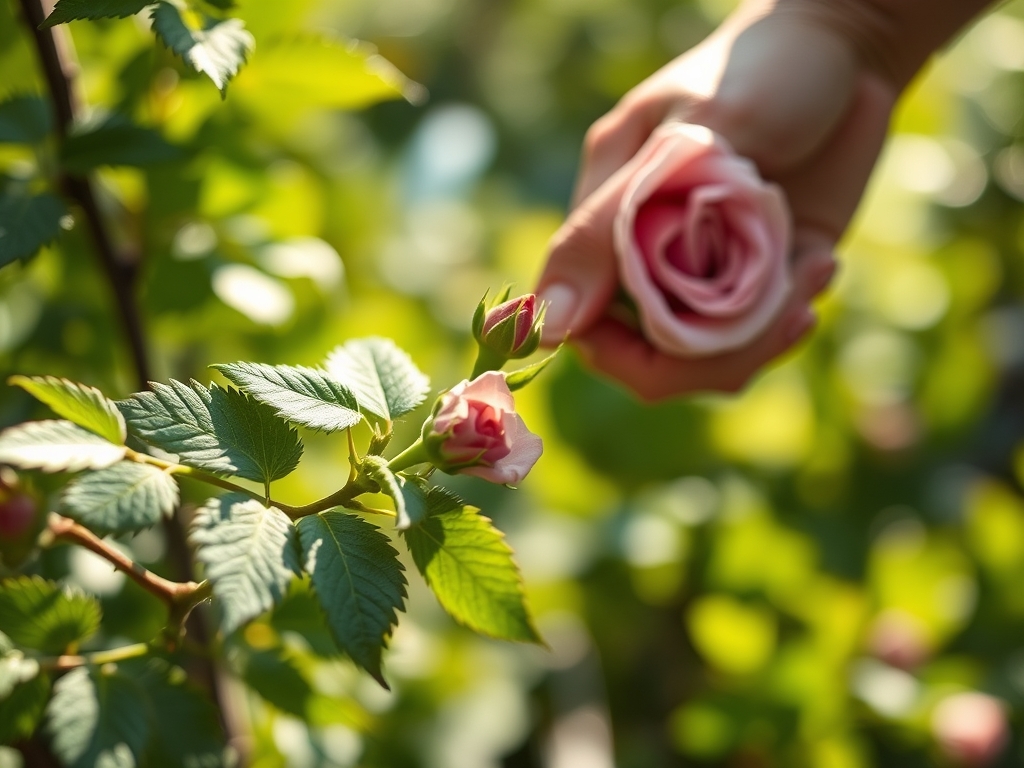
For climbing roses, the "yield" is the floral display. Harvest flowers for indoor use when the outer petals are just beginning to unfurl but the center remains tight. This stage ensures the longest vase life. Use a sharp knife to cut the stem at a 45-degree angle and immediately submerge it in 100-degree Fahrenheit water. This "hardening off" process removes air bubbles from the xylem, allowing for maximum water uptake. To maintain "day-one" freshness, change the water daily and keep the blooms away from ripening fruit, which releases ethylene gas and accelerates senescence.
FAQ:
How far back should I prune my climbing rose?
Remove the "Three Ds" first. Then, prune lateral flowering side-shoots back to 2 or 3 buds, roughly 2 to 6 inches from the main structural cane. Leave the primary structural canes intact unless they are over four years old.
Do climbing roses bloom on old or new wood?
Most modern climbers bloom on both, but the most prolific flowering occurs on the lateral shoots produced from year-old wood. Pruning stimulates the production of these "flowering spurs," ensuring a denser concentration of blooms across the trellis.
What happens if I don't prune my climbing rose?
The plant will become top-heavy and "leggy," with flowers only appearing at the very top. Lack of pruning reduces airflow, increasing the risk of fungal infections, and leads to a build-up of unproductive, woody tissue that drains energy.
Can I prune climbing roses in the summer?
Limit summer pruning to "deadheading" or removing spent flowers. Cut the flower stem back to the first leaf with five leaflets. Avoid heavy structural pruning in summer, as this can stress the plant during high-temperature periods and reduce winter hardiness.