9 Easy Ways How to Fix Frost Damage
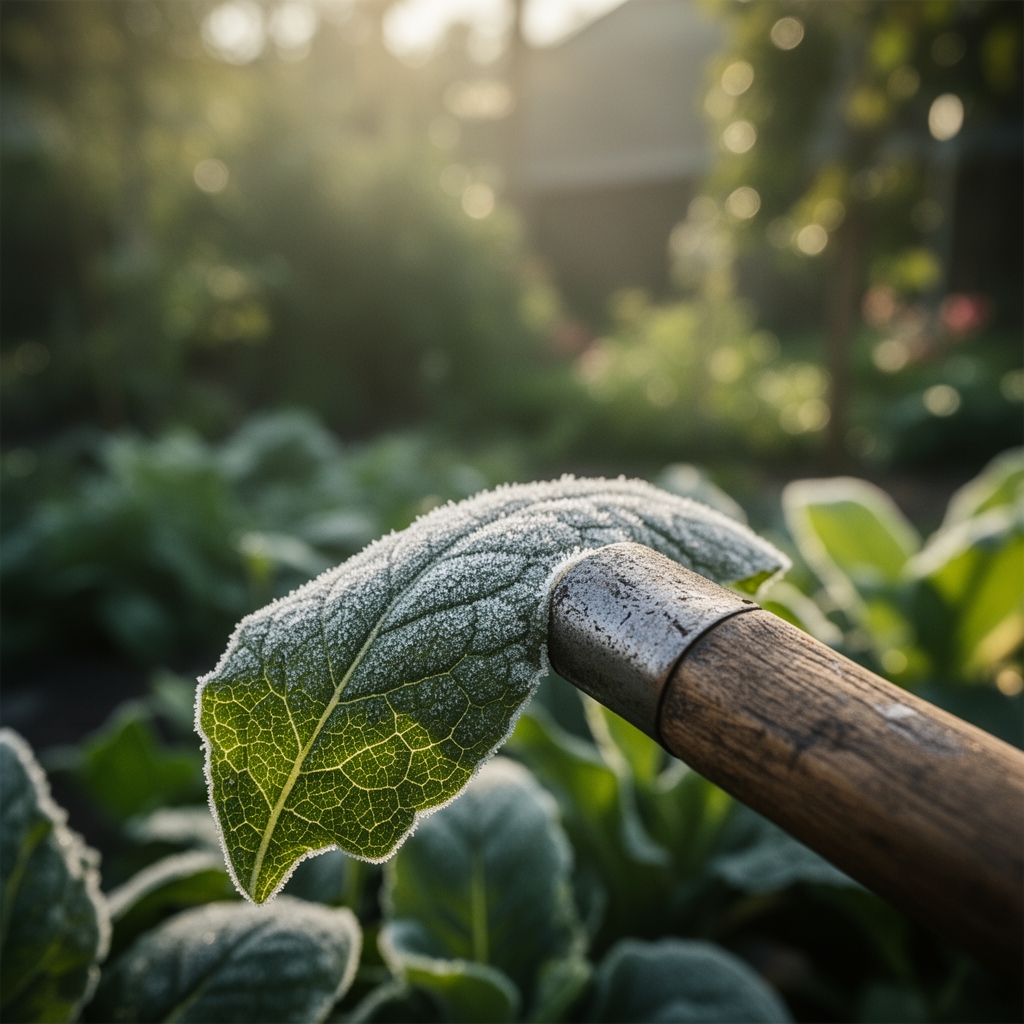
The morning air bites at exposed plant tissue, leaving behind blackened leaves and wilted stems where yesterday stood green growth. Gardeners across temperate zones confront this scene each spring and fall, knowing survival depends on rapid assessment and targeted intervention. Learning how to fix frost damage separates salvageable plants from total losses. The cellular collapse begins when ice crystals rupture cell walls, but recovery hinges on understanding that damage cascades through auxin distribution pathways and vascular tissue. Immediate action preserves cambium layers and redirects stored carbohydrates toward new growth.
Materials
Successful frost damage repair requires specific amendments matched to soil chemistry and plant recovery needs. Test soil pH before application; most temperate perennials recover optimally between 6.0 and 6.8 pH.
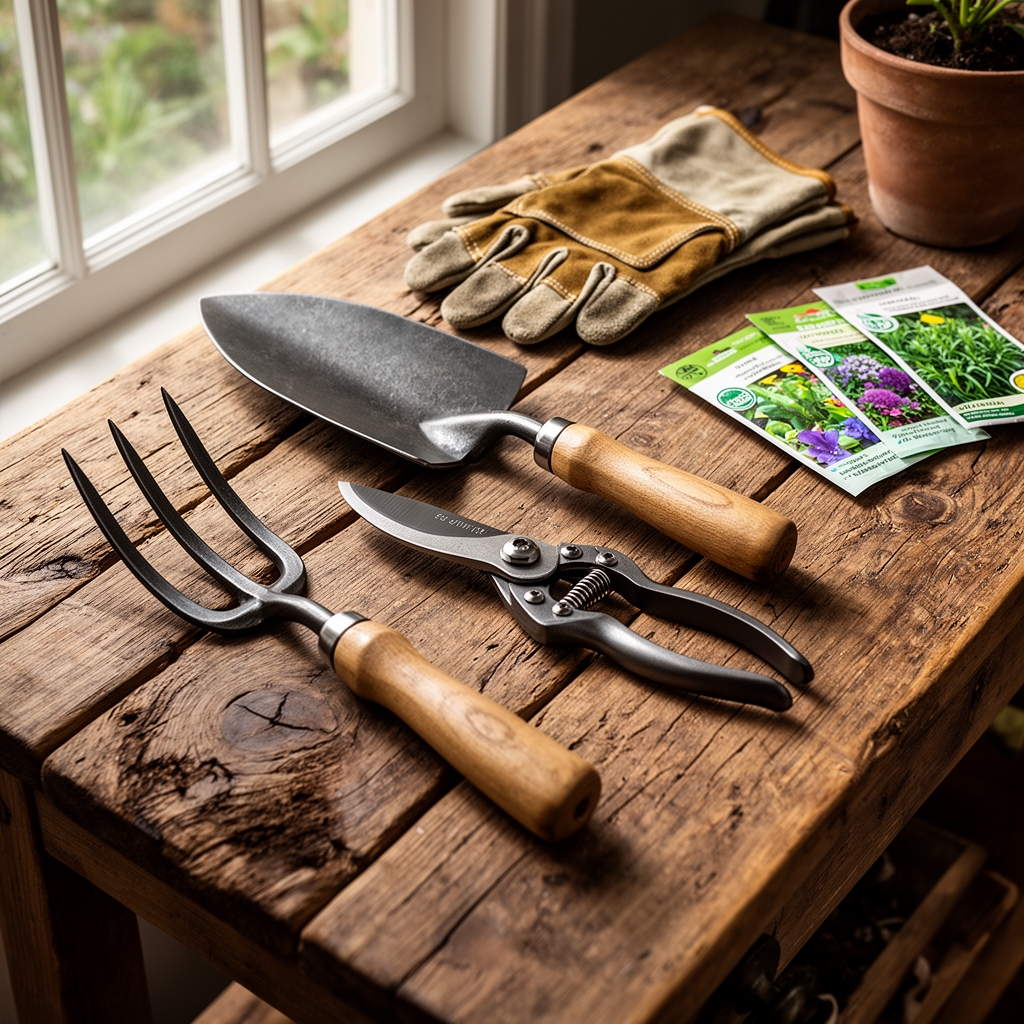
Organic kelp meal (1-0.1-2 NPK) supplies cytokinins that stimulate lateral bud break after apical meristem loss. Apply 2 tablespoons per square foot, scratched into the root zone. Fish emulsion (5-1-1 NPK) delivers readily available nitrogen to support new foliage synthesis without burning stressed roots. Dilute to half-strength (1 tablespoon per gallon) for the first two applications.
Alfalfa meal (2-1-2 NPK) contains triacontanol, a growth stimulant that accelerates cell division in damaged cambium. Work 1/4 cup into soil surrounding woody plants. Mycorrhizal inoculant powder (no NPK value) rebuilds soil fungal networks disrupted by root dieback, improving phosphorus uptake by 300 percent during recovery. Dust root zones with 1 teaspoon per plant.
Compost tea (approximate 0.5-0.5-0.5 NPK) introduces beneficial bacteria that outcompete opportunistic pathogens colonizing wounded tissue. Brew aerobically for 24 hours and apply as a foliar spray at 50 percent concentration.
Timing
Frost damage intervention windows align with USDA Hardiness Zones and last-frost probability curves. In Zones 5-6, late spring frosts strike through May 15. Wait 72 hours after the frost event before pruning; cellular damage boundaries clarify as desiccated tissue darkens.
Zones 7-8 experience damaging frosts through April 10. Begin assessment on day three post-frost. Zones 9-10 face rare frost events, but tropical and subtropical species suffer damage at 35°F. These plants require immediate greenhouse relocation if overnight temperatures below 40°F persist.
Fall frost damage in Zones 3-4 occurs from September 15 onward. Avoid stimulating new growth after August 31; late nitrogen applications reduce cold hardiness by promoting tender shoots that cannot lignify before dormancy.
Phases

Assessment Phase
Inspect cambium by scraping bark with a thumbnail. Green cambium indicates living tissue; brown signals death. Mark the lowest point of green cambium with flagging tape. Test stem flexibility by bending; living wood flexes while dead stems snap cleanly.
Document damage with photographs at 3 days, 7 days, and 14 days post-frost. Cellular recovery patterns inform future protection strategies.
Pro-Tip: Score bark on the north side of stems only. South-facing wounds invite sunscald as spring intensity increases.
Pruning Phase
Remove dead tissue to 1/4 inch above the lowest confirmed live bud. Cut at 45-degree angles to shed water. Sterilize pruners between cuts using 10 percent bleach solution; frost-damaged tissue hosts Botrytis cinerea and Pseudomonas syringae.
Leave borderline tissue for 14 days. Premature pruning removes potentially viable nodes. On herbaceous perennials, cut stems to 2 inches above the crown.
Pro-Tip: Apply pruning sealer only to cuts exceeding 1 inch diameter on stone fruits and roses. Sealer traps moisture on smaller cuts, encouraging fungal colonization.
Recovery Phase
Apply fish emulsion at 7-day intervals for three weeks. Nitrogen drives new shoot elongation from axillary buds. Supplement with foliar kelp spray (1 tablespoon per gallon) at 10-day intervals to boost cytokinin levels.
Mulch root zones with 2 inches of shredded bark to stabilize soil temperature fluctuations. Avoid mulch contact with stems; maintain a 3-inch clearance to prevent crown rot.
Pro-Tip: Inoculate pruning cuts on woody plants with Trichoderma harzianum powder. This mycoparasite colonizes wound surfaces and inhibits canker pathogens by 78 percent.
Troubleshooting
Symptom: Blackened leaves remain attached after two weeks.
Solution: Ethylene production has stalled abscission layer formation. Spray affected plants with 100 ppm ethephon solution to trigger leaf drop and redirect resources to viable tissue.
Symptom: New shoots wilt despite adequate soil moisture.
Solution: Vascular bundles contain ice-damaged xylem. Prune 2 inches below wilting point to reach functional water-conducting tissue. Apply anti-transpirant spray to reduce water demand by 30 percent.
Symptom: Bark splits vertically on trunk south side.
Solution: Freeze-thaw cycling has caused southwest injury. Wrap trunks with white tree wrap from November through March. Paint exposed wood with white latex paint to reflect solar radiation.
Symptom: Buds break then abort within one week.
Solution: Carbohydrate reserves depleted by repeated freeze damage. Drench root zone with 2 tablespoons molasses per gallon water to feed soil microbes that mineralize nutrients. Reapply every 14 days.
Maintenance
Water recovered plants with 1 inch per week, measured with a rain gauge. Deep watering every 7 days surpasses shallow daily watering by encouraging roots to grow below the frost line.
Apply balanced organic fertilizer (4-4-4 NPK) at 1/2 cup per 10 square feet once new growth reaches 3 inches. Excess nitrogen creates frost-susceptible succulent growth.
Monitor nighttime temperatures with a min-max thermometer. Deploy frost cloth when forecasts predict 33°F or below. Cloth suspended on stakes 6 inches above foliage traps 4-6°F of radiant heat.
FAQ
How long does frost damage take to show?
Damage appears within 24 hours on herbaceous tissue. Woody plant damage clarifies over 72 hours as dehydration progresses.
Can I save a plant with blackened leaves?
Yes, if stems remain green beneath the bark. Photosynthesis continues in stems and viable leaves will emerge from undamaged nodes.
When should I fertilize frost-damaged plants?
Wait until new growth reaches 2 inches. Fertilizing dormant or dying tissue wastes nutrients and may burn damaged roots.
Do all plants recover at the same rate?
No. Herbaceous perennials resprout in 10-14 days. Woody shrubs require 4-6 weeks. Tropical species may need 8 weeks.
Should I water immediately after frost?
Yes. Irrigate at dawn if soil is dry. Hydrated cells resist rupture better than dehydrated cells during subsequent frost events.