8 Best Fluoride Sensitive Plant Lists
The smell of damp, well-aerated humus signifies a healthy rhizosphere, but for certain species, even the most fertile ground cannot mask the toxicity of municipal water. When fluoride ions accumulate in leaf margins, they disrupt photosynthesis and cause necrotic scorching. Successful cultivation requires identifying the best fluoride sensitive plant lists to prevent irreversible cellular damage. Maintaining turgor pressure in these specimens depends entirely on water quality and substrate buffering capacity. Understanding the physiological vulnerability of these plants is the difference between a thriving conservatory and a collection of scorched foliage.
Materials:
Cultivating fluoride-sensitive species requires a substrate with a high Cation Exchange Capacity (CEC) to buffer against mineral imbalances. The ideal medium is a friable loam composed of 40 percent peat moss, 30 percent perlite, and 30 percent composted pine bark. Maintain a soil pH between 6.0 and 6.5; higher pH levels can sometimes lock up essential micronutrients, while lower pH levels increase fluoride solubility.
The following eight groups represent the best fluoride sensitive plant lists for serious collectors:
- Dracaena species (Dracaena fragrans, D. marginata): Require an NPK ratio of 3-1-2.
- Chlorophytum comosum (Spider Plant): Prefers a balanced 10-10-10 water-soluble fertilizer at half strength.
- Cordyline fruticosa (Ti Plant): Needs high potassium levels to maintain osmotic pressure.
- Calathea family: Requires high humidity and a 1-1-1 NPK ratio.
- Chamaedorea elegans (Parlor Palm): Sensitive to salt buildup; requires frequent leaching.
- Spathiphyllum (Peace Lily): Needs consistent moisture and low-phosphorus inputs.
- Maranta leuconeura (Prayer Plant): Thrives in high CEC substrates with organic nitrogen sources.
- Yucca gigantea: Requires excellent drainage and minimal supplemental fertilization.
Timing:
Fluoride-sensitive plants generally thrive in USDA Hardiness Zones 9 through 11, though they are most commonly managed as indoor specimens in temperate climates. The biological clock of these plants is governed by the photoperiod. For tropical foliage, the vegetative phase is dominant when daylight exceeds 12 hours. Transitioning these plants to a cooler, drier environment during the winter months induces a necessary period of semi-dormancy. Ensure all transplanting occurs at least four weeks before the first expected frost date if kept outdoors; sudden temperature drops below 55 degrees Fahrenheit can trigger cold-induced senescence.
Phases:

Sowing and Propagation
Most fluoride-sensitive plants are propagated via stem cuttings or division rather than seed. When taking a cutting, ensure the tool is sterilized to prevent pathogen entry into the vascular cambium. Place cuttings in a medium with a temperature maintained at 75 degrees Fahrenheit.
Pro-Tip: Use a rooting hormone containing Indole-3-butyric acid (IBA) to stimulate auxin suppression of lateral buds, directing the plant's energy toward rapid adventitious root development.
Transplanting
When moving a specimen to a larger vessel, select a container only 2 inches wider than the current root ball. This prevents "perched water tables" where excess saturated soil leads to anaerobic conditions. Gently tease the outer roots to encourage outward growth into the new friable loam.
Pro-Tip: Incorporate endomycorrhizal fungi into the planting hole. This mycorrhizal symbiosis extends the root system's reach, improving water uptake and shielding the plant from minor chemical fluctuations in the soil solution.
Establishing
The first 90 days post-transplant are critical for establishing hydraulic conductivity between the root system and the new substrate. Keep the plant in bright, indirect light (approximately 1,500 to 2,500 foot-candles) to support steady photosynthesis without inducing transpiration stress.
Pro-Tip: Maintain high humidity around the foliage to reduce the transpiration rate. This allows the plant to maintain turgor pressure while the root hairs are still colonizing the new rhizosphere.
The Clinic:
Physiological disorders in fluoride-sensitive plants often mimic nutrient deficiencies, but the patterns of necrosis are distinct.
Symptom: Tip Burn (Necrosis of the leaf apex).
Solution: This is the classic sign of fluoride toxicity. Switch to distilled water or rainwater immediately. Flush the soil with three times the volume of the pot with pure water to leach accumulated ions.
Symptom: Interveinal Chlorosis (Yellowing between leaf veins).
Solution: This typically indicates an Iron (Fe) or Magnesium (Mg) deficiency. Check the soil pH. If pH is above 7.0, iron becomes unavailable. Apply a chelated iron supplement to restore chlorophyll production.
Symptom: Leaf Abscission (Sudden leaf drop).
Solution: Often caused by ethylene gas exposure or extreme temperature fluctuations. Move the plant to a stable environment with a constant temperature of 65 to 75 degrees Fahrenheit.
Fix-It for Nitrogen Chlorosis: If older leaves turn uniformly pale green, apply a high-nitrogen liquid fertilizer with a 24-8-16 ratio at quarter strength. Nitrogen is a mobile nutrient; the plant will translocate it to new growth, so expect the newest leaves to recover first.
Maintenance:
Precision is mandatory for long-term health. Use a soil moisture meter to ensure the substrate is dry to a depth of 2 inches before re-watering. Most species in the best fluoride sensitive plant lists require 1.5 inches of water per week, delivered directly to the soil surface to avoid wetting the crown.
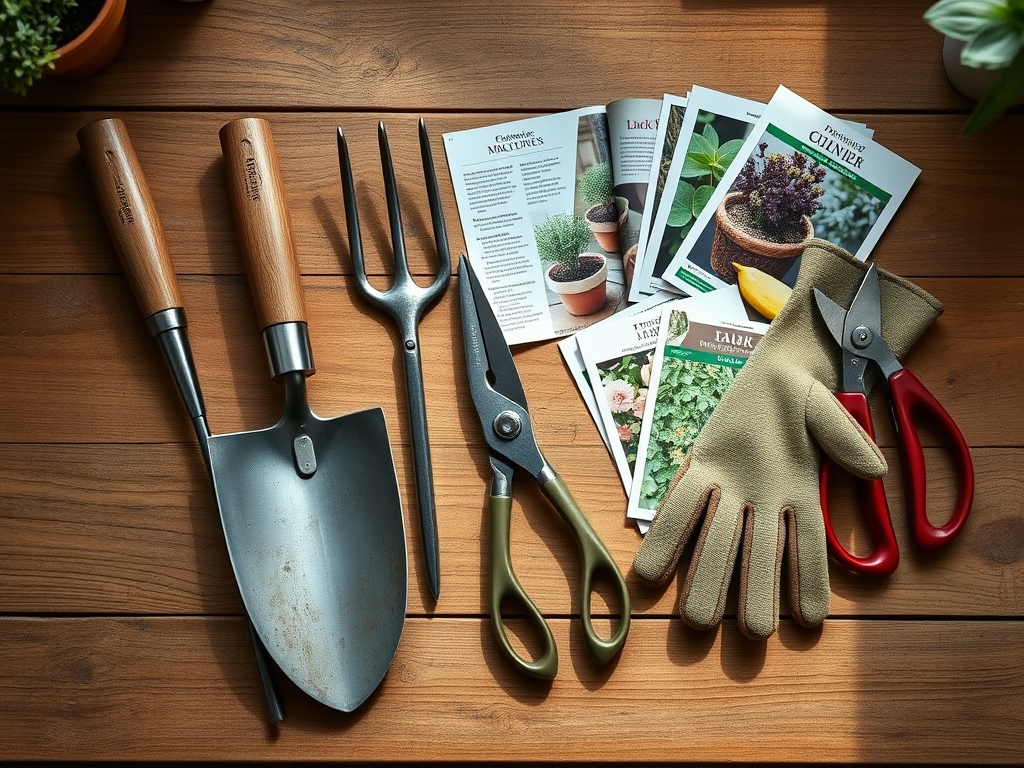
Use a hori-hori knife for weeding or dividing root-bound specimens; its serrated edge cleanly severs roots without crushing the vascular tissue. For pruning dead or scorched tips, use bypass pruners to make clean, slanted cuts that shed water. Sterilize all tools with 70 percent isopropyl alcohol between plants to prevent the spread of systemic pathogens. If using municipal water, let it sit in an open container for 24 hours; while this does not remove fluoride, it allows chlorine to dissipate and the water to reach room temperature, preventing root shock.
The Yield:
While most fluoride-sensitive plants are grown for foliage, some, like the Spathiphyllum, produce distinct white spathes. To harvest flowers for indoor arrangements, cut the scape at a 45-degree angle using a sterilized blade. Immediately submerge the cut end in 100-degree Fahrenheit water to remove air bubbles from the xylem.
For foliage maintenance, remove lower, senescing leaves at the point of attachment to the main stem. This redirects carbohydrates to the apical meristem, promoting vertical growth. Post-harvest, keep cut stems in a solution of water with a pH of 3.5 to 4.0 to maintain maximum hydraulic lift and day-one freshness.
FAQ:
Can I boil water to remove fluoride for my plants?
No. Boiling water evaporates the liquid but leaves the fluoride minerals behind, actually increasing the concentration. Use a reverse osmosis system, rainwater, or distilled water to safely irrigate fluoride-sensitive species.
How do I know if my plant is fluoride sensitive?
Check for "tip burn" or necrotic margins on older leaves. Species like Dracaena, Spider Plants, and Lilies are the primary indicators. If new growth is healthy but older leaves develop brown edges, fluoride accumulation is likely.
Does charcoal filtering remove fluoride from tap water?
Standard carbon or charcoal filters do not effectively remove fluoride ions. You require a specialized activated alumina filter or a reverse osmosis unit to strip fluoride from municipal water sources for your botanical collection.
What is the best soil for fluoride sensitive plants?
A well-draining, peat-based mix with a pH of 6.5 is ideal. High organic matter content and a high Cation Exchange Capacity help buffer the roots against chemical fluctuations and prevent rapid ion uptake.