9 Clean Ways How to Design a Minimalist Lawn
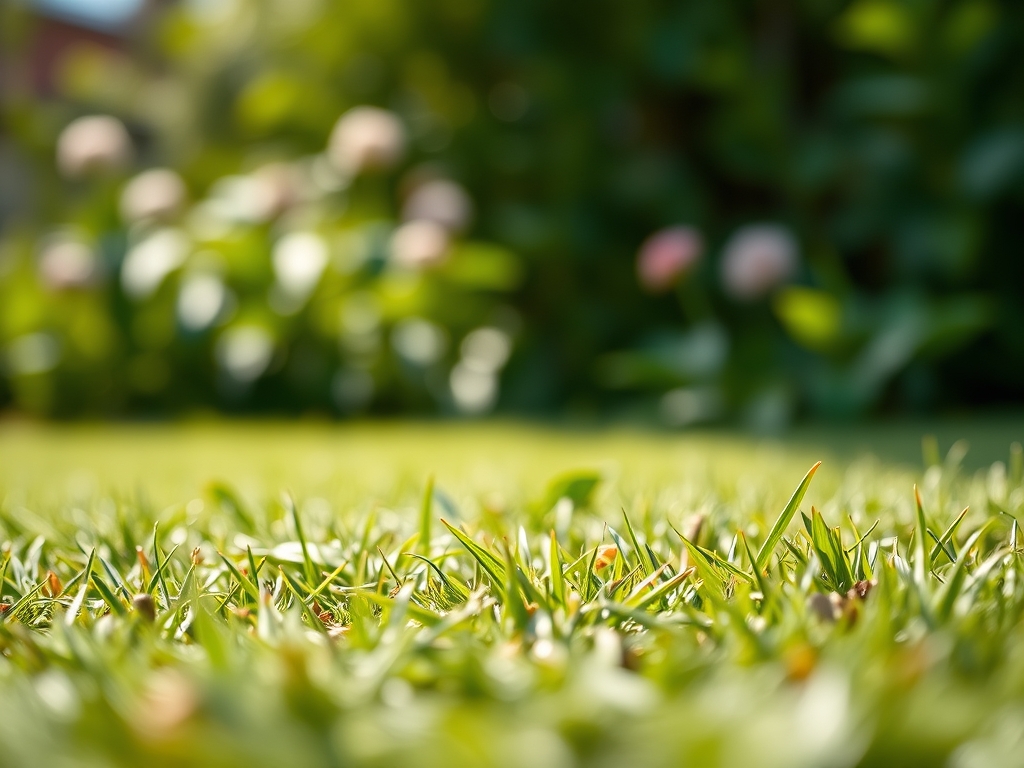
The scent of crushed chlorophyll and damp, friable earth signals a healthy turf system. Achieving this requires understanding the physiological demands of the rhizosphere. To master how to design a minimalist lawn, one must prioritize structural efficiency over decorative excess. Minimalist design relies on the turgor pressure of a uniform monoculture or a high-density groundcover. This guide provides the technical framework for establishing a low-maintenance, high-performance landscape that functions with mechanical precision and biological resilience.
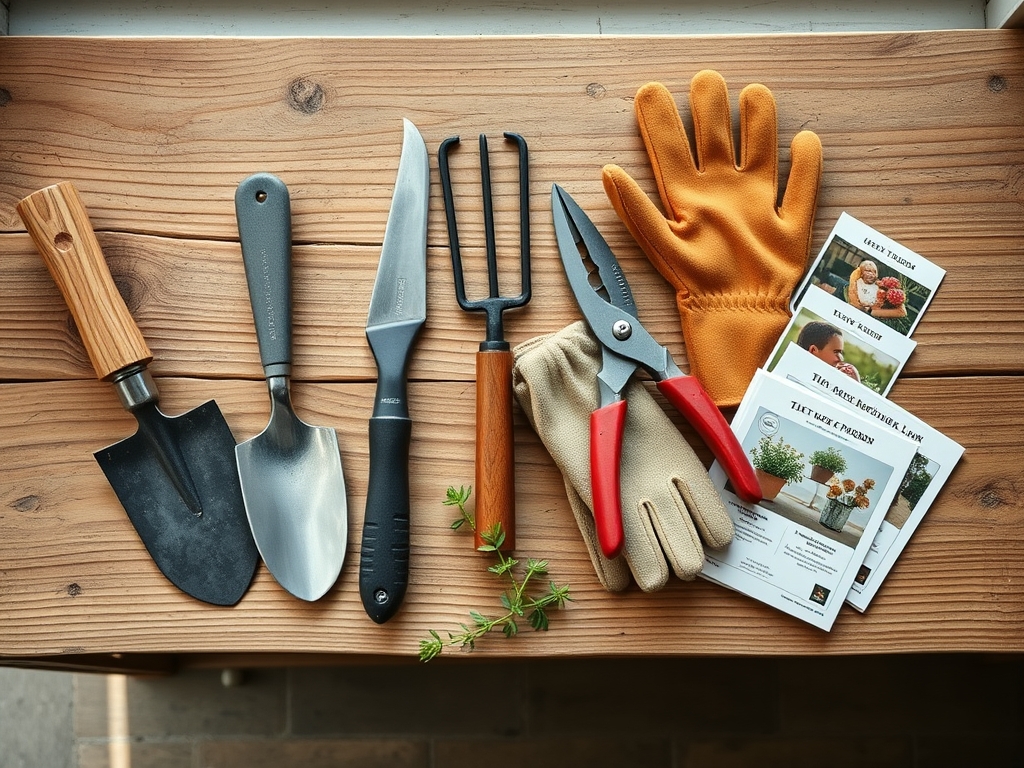
Materials:
Successful minimalist lawns begin with a soil pH between 6.0 and 7.0. At this range, the Cation Exchange Capacity (CEC) is optimized for nutrient uptake. The ideal substrate is a friable loam consisting of 40 percent sand, 40 percent silt, and 20 percent clay. This ratio ensures adequate macropores for oxygen diffusion and micropores for water retention.
For the establishment phase, use a starter fertilizer with an NPK ratio of 10-20-10. The high phosphorus content supports rapid root development. Once established, transition to a slow-release nitrogen source with a 24-0-12 ratio to maintain leaf color without inducing excessive vertical growth. Minimalist lawns often utilize dwarf cultivars of Festuca rubra or Zoysia japonica due to their slow metabolic rates and high drought tolerance.
Timing:
Timing is dictated by the Hardiness Zone and the specific photoperiod requirements of the species. In Zones 4 through 7, cool-season grasses should be seeded when soil temperatures are between 50 and 65 degrees Fahrenheit. This usually occurs between late August and mid-September. In Zones 8 through 11, warm-season varieties require soil temperatures above 70 degrees Fahrenheit, making late spring the primary window.
The biological clock of the lawn transitions from the vegetative stage (leaf production) to the reproductive stage (seed head production) based on day length and temperature. To maintain a minimalist aesthetic, you must suppress the reproductive stage. This is achieved by consistent mowing before the plant reaches 3 inches in height, which redirects energy back into the rhizomes and stolons rather than seed production.
Phases:

Sowing
Prepare the seedbed by removing all debris and leveling the surface to a 1 percent grade for drainage. Broadcast seed at a rate of 6 to 8 pounds per 1,000 square feet. Ensure seed-to-soil contact by using a water-filled roller.
Pro-Tip: Maintain constant moisture for the first 14 days to prevent the desiccation of the radicle. This is critical because the emerging root lacks a protective cuticle and will undergo cellular collapse if the water potential in the soil drops too low.
Transplanting
When using sod or plugs for a minimalist design, stagger the joints in a brick-like pattern to prevent erosion gullies. Press the root zone firmly into the substrate to eliminate air pockets.
Pro-Tip: Apply a humic acid soil drench during transplanting. This enhances mycorrhizal symbiosis; the fungi extend the root system's reach, increasing the surface area for phosphorus and water absorption by up to 100 times.
Establishing
During the first 21 to 28 days, the focus is on auxin production. Auxins are hormones that promote root elongation. Avoid high-nitrogen fertilizers during this window, as they stimulate gibberellin production, which forces top growth at the expense of the root system.
Pro-Tip: Practice "Mow-High" techniques during establishment. Keeping the blade at 3.5 inches increases the leaf surface area for photosynthesis. This maximizes the carbohydrate reserves sent to the roots, ensuring the plant can survive future dormancy periods.
The Clinic:
Symptom: Interveinal chlorosis (yellowing between leaf veins).
Solution: This indicates a micronutrient deficiency, often Iron (Fe) or Magnesium (Mg). Test soil pH; if it is above 7.5, iron becomes insoluble.
Fix-It: Apply chelated iron at a rate of 2 ounces per 1,000 square feet for rapid green-up without surging growth.
Symptom: Localized dry spots despite irrigation.
Solution: Hydrophobic soil or "Localized Dry Spot" (LDS) caused by fungal biofilms.
Fix-It: Use a mechanical aerator to pull 3-inch cores and apply a non-ionic wetting agent to break the surface tension of the water.
Symptom: Spindly, elongated stems with pale color.
Solution: Etiolation due to insufficient light or excessive nitrogen.
Fix-It: Reduce nitrogen inputs and prune overhanging canopy branches to increase the Photosynthetically Active Radiation (PAR) reaching the turf.
Maintenance:
Precision maintenance is the hallmark of a minimalist lawn. Deliver 1.0 to 1.5 inches of water per week, ideally in a single deep-watering session before 8:00 AM. This reduces the duration of leaf wetness, mitigating the risk of fungal pathogens like Rhizoctonia solani.
Use a soil moisture meter to verify that the moisture has penetrated 6 inches deep. For edging, a sharp hori-hori knife or a dedicated power edger creates the crisp, geometric lines essential to the minimalist aesthetic. Use bypass pruners to hand-trim around delicate hardscape features where a string trimmer might damage stone or wood. Sharpen mower blades every 25 hours of use; dull blades tear the grass tissue, increasing transpiration rates and inviting disease.
The Yield:
While a lawn is not "harvested" in the traditional sense, the "yield" is the biomass removed during mowing. For a minimalist look, keep the clippings on the lawn (grasscycling). This returns up to 1 pound of nitrogen per 1,000 square feet per year to the soil. If the lawn is used for specialized herbal groundcovers like Roman Chamomile, harvest the flowers when the ray florets are horizontal. Use a sharp blade to prevent tearing the vascular bundles. Store any harvested botanical material in a cool, dark environment at 40 degrees Fahrenheit to maintain cellular turgor and aromatic oils.
FAQ:
How often should I aerate a minimalist lawn?
Aerate once per year in the fall for cool-season grasses or spring for warm-season varieties. Use a core aerator to remove 0.75-inch diameter plugs. This relieves soil compaction and improves gas exchange in the rhizosphere.
What is the best grass for a low-water minimalist design?
Fine Fescue or Buffalo Grass are superior choices. Buffalo Grass requires only 0.5 inches of water per week once established. These species have low vertical growth rates, which reduces mowing frequency and maintains a clean, uniform profile.
Can I design a minimalist lawn without using chemicals?
Yes. Focus on soil health by adding organic matter to increase the CEC. Use corn gluten meal as a pre-emergent nitrogen source. Maintain a height of 3 inches to shade out weed seeds and prevent germination through light exclusion.
How do I fix bare spots quickly?
Rake the spot to expose the soil and apply a mixture of seed and composted manure. Keep the area moist. For immediate results, use a sod "plugger" tool to transplant a 3-inch diameter core from a hidden area of the lawn.
What is the ideal mowing height for a minimalist look?
Maintain a height of 2 to 2.5 inches for most species. This height is short enough to look manicured but tall enough to support a deep root system. Never remove more than one-third of the leaf blade in a single cutting.