10 Strong Steps to Secure Arbor Posts
Damp earth smells of geosmin and fungal activity; it is the scent of a stable foundation. A successful garden structure relies on the turgor of the surrounding flora and the mechanical integrity of its bones. When you implement the proper steps to secure arbor posts, you ensure that climbing vitis or wisteria do not collapse under their own biomass during a summer storm. Structural failure often stems from ignoring the physics of wind load and soil saturation. An arbor is not merely a decorative gate; it is a vertical trellis that must withstand hundreds of pounds of saturated foliage. Secure posts require a depth that reaches below the frost line to prevent heaving. You must account for the shear strength of the substrate and the corrosive nature of soil moisture. Precision in the initial excavation and backfilling determines if your structure lasts five years or fifty. This guide provides the technical protocols for anchoring heavy timber into the rhizosphere without compromising the health of adjacent root systems.
Materials:
The substrate surrounding your arbor posts should ideally be a friable loam with a pH between 6.0 and 7.0. This acidity range prevents the rapid oxidation of metal fasteners and slows the decay of pressure-treated lumber. For the biological health of the site, ensure the soil has a high Cation Exchange Capacity (CEC), typically above 15 meq/100g, to retain nutrients for the climbers you intend to plant.
- Posts: 4×4 or 6×6 pressure-treated timber or rot-resistant cedar.
- Aggregate: 3/4-inch crushed limestone to facilitate drainage away from the post base.
- Concrete: High-strength mix (4000 PSI) for heavy-load structures.
- Soil Amendments: For the planting phase, use an NPK ratio of 5-10-5 to encourage root development over excessive leaf production.
- Hardware: Stainless steel or hot-dipped galvanized brackets to resist the corrosive effects of moist soil.
Timing:
Timing is dictated by the Hardiness Zone and the local frost-date window. In Zones 4 through 7, construction should occur after the final spring thaw but before the summer solstice. This window allows the soil to settle before the plant enters its peak vegetative stage.
Establishing the arbor during the "Biological Clock" transition—when the plant shifts from dormant to active growth—is critical. If you install the posts during the peak of the reproductive stage (flowering), you risk damaging the delicate mycorrhizal networks that are currently transporting phosphorus to the blooms. Aim for a soil temperature of at least 55 degrees Fahrenheit to ensure the concrete cures correctly and the surrounding soil biology remains active.
Phases:

Sowing the Foundation
Excavate holes to a depth of one-third the total height of the post. In northern climates, this must exceed the 48-inch frost line. Clear all organic debris from the hole to prevent localized nitrogen drawdown as the material decomposes.
Pro-Tip: Proper drainage at the base prevents anaerobic conditions. Biological Why: Excess moisture at the post base encourages the growth of Phytophthora, a water mold that can migrate from the wood to the roots of your arbor plants, causing systemic collapse.
Transplanting the Load
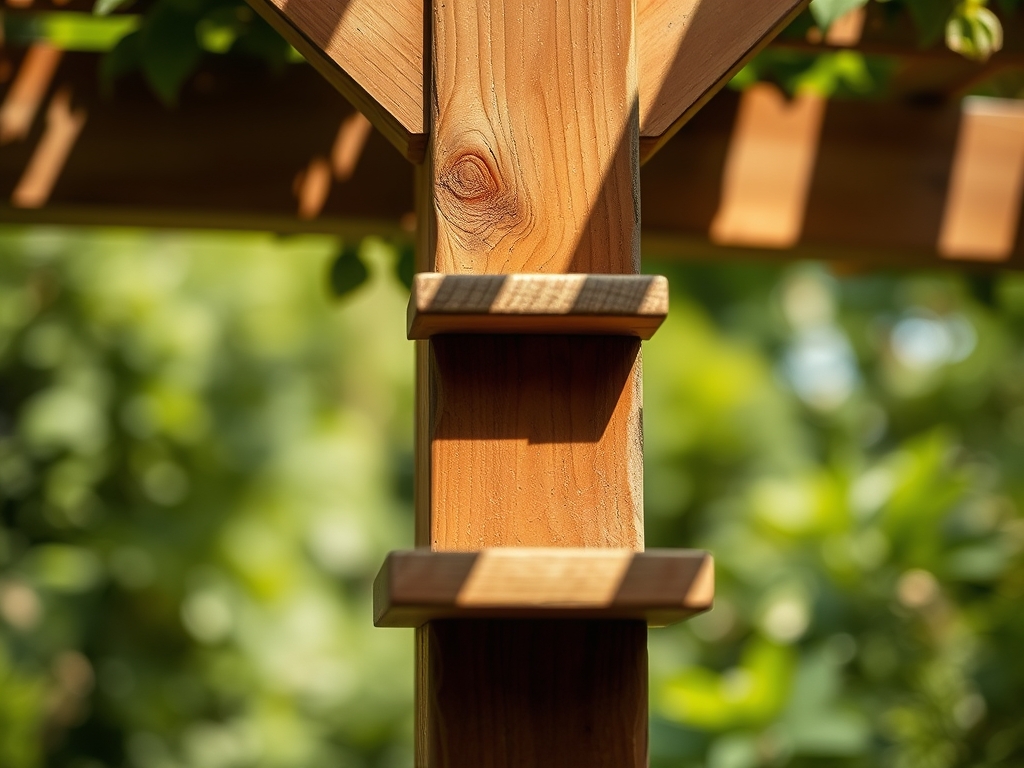
Set the posts into the center of the excavation. Use a level to ensure vertical alignment on two planes. Pour 6 inches of crushed aggregate at the bottom before adding concrete. This creates a sump for water to exit the post-end grain.
Pro-Tip: Slope the concrete "collar" away from the post at the surface. Biological Why: Diverting water prevents the formation of a micro-climate that favors wood-boring insects and fungal pathogens that thrive in the interface between wood and soil.
Establishing the Surroundings
Once the concrete has cured for 72 hours, backfill the remaining space with the original loam. Integrate organic matter to restore the rhizosphere health disrupted during digging. Plant your climbers at least 12 inches away from the post to allow for secondary thickening of the stems.
Pro-Tip: Apply a 2-inch layer of arborist chips over the soil. Biological Why: Mulching suppresses auxin-driven weed growth and maintains consistent soil moisture, reducing the osmotic stress on new transplants.
The Clinic:
Physiological disorders in the plants surrounding your arbor often signal soil issues created during construction.
- Symptom: Interveinal chlorosis (yellow leaves with green veins) on new growth.
- Solution: This indicates Iron deficiency, often caused by high pH from concrete leaching. Apply chelated iron to the soil.
- Symptom: Purpling of older leaves and stunted elongation.
- Solution: Phosphorus deficiency. Ensure the soil temperature is above 60 degrees Fahrenheit for uptake, or apply a high-phosphorus starter fertilizer.
- Symptom: Marginal leaf burn or wilting despite wet soil.
- Solution: Root suffocation due to soil compaction. Use a garden fork to aerate the soil around the arbor base without severing primary roots.
Fix-It: For general Nitrogen chlorosis (uniform yellowing of old leaves), apply a liquid seaweed extract or a 10-0-0 organic fertilizer to provide an immediate nitrogen spike to the root zone.
Maintenance:
Precision maintenance extends the life of both the timber and the flora. Deliver 1.5 inches of water per week at the drip line; do not spray the timber directly, as this encourages surface rot. Use a soil moisture meter to verify that the moisture has penetrated 8 inches deep.
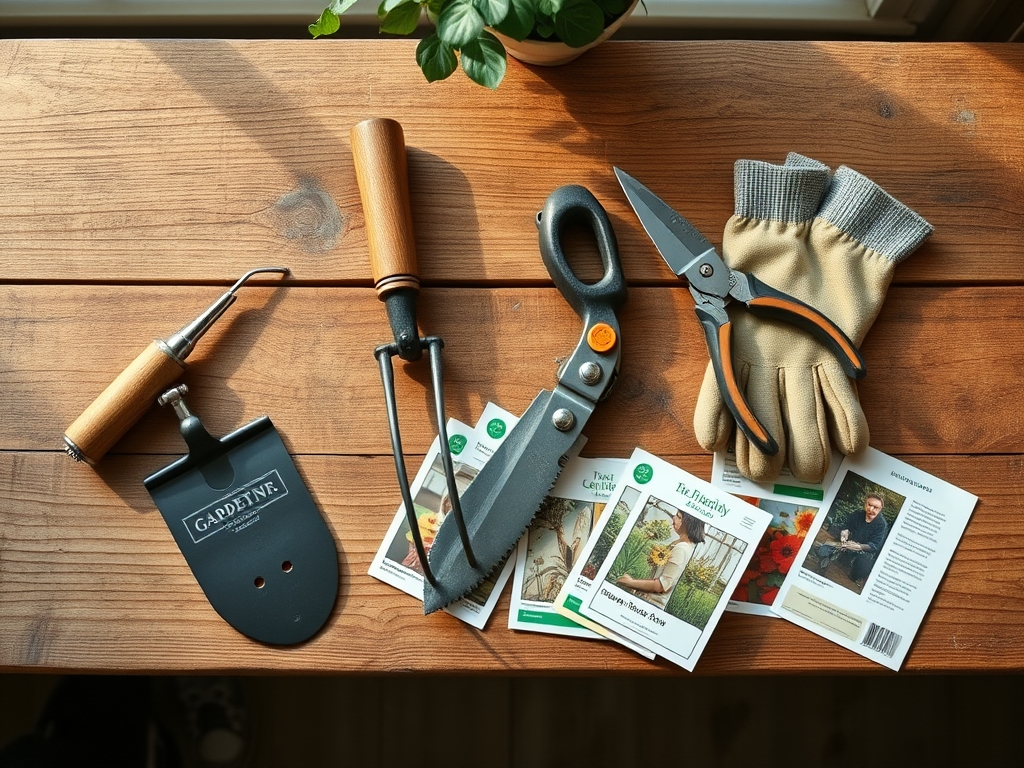
Every spring, use a hori-hori knife to check for soil encroachment over the concrete collar. Use bypass pruners to remove any dead or "senescent" wood from your climbers, which reduces the weight load on the arbor. If the arbor begins to lean, it indicates a failure in the soil's shear strength; you may need to increase the diameter of the concrete footing.
The Yield:
For flowering climbers like Clematis or Lonicera, harvest blooms when the first two petals have unfurled. Use a sharp, sterilized blade to cut at a 45-degree angle just above a node. To maintain "day-one" freshness, immediately submerge the stems in 110-degree Fahrenheit water to break any air embolisms in the xylem, then move to a cool, dark location for two hours before arranging.
FAQ:
How deep should I bury my arbor posts?
Bury posts at least one-third of their total height. In cold climates, the base must sit 6 inches below the local frost line to prevent soil heaving from damaging the structural alignment.
Can I set arbor posts directly in dirt?
Direct burial leads to rapid cellulose degradation via fungal attack. Always use a 6-inch gravel base and concrete collar to isolate the timber from constant moisture and soil-borne pathogens.
What is the best wood for a garden arbor?
Use Grade A Pressure Treated lumber or heartwood from Western Red Cedar or Black Locust. These species contain natural tannins and oils that resist rot and insect infestation in high-moisture environments.
How do I stop concrete from killing my plants?
Concrete can leach lime, raising soil pH levels. Seal the concrete collar with a waterproof membrane and maintain a 12-inch buffer zone between the footing and the plant's primary root mass.