9 Vital Steps to Do Tap Water Treatment
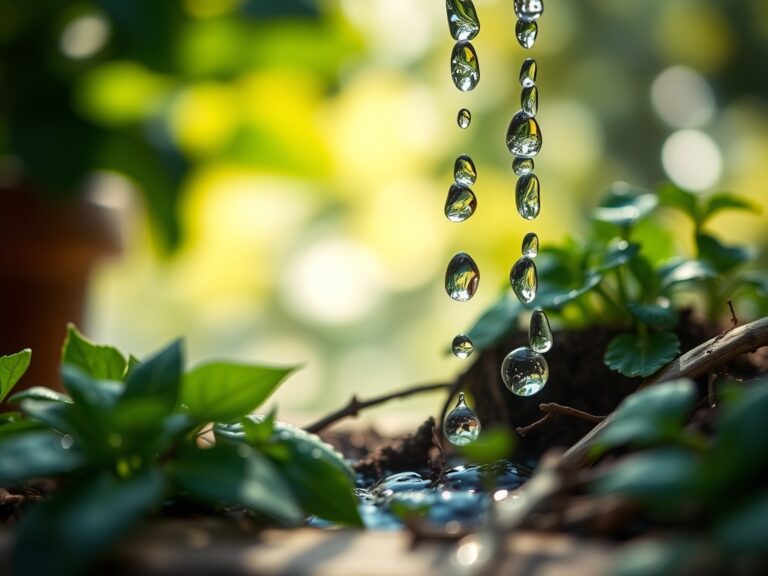
Crushed basalt underfoot and the sharp, metallic scent of wet slate signal a garden properly hydrated; yet, the water sourced from a municipal faucet often carries invisible burdens that stifle cellular expansion. High turgor pressure depends on the osmotic balance of the rhizosphere, but chlorine and heavy metals in municipal lines can disrupt the delicate cation exchange capacity of your substrate. Learning the precise steps to do tap water treatment ensures that your irrigation water supports rather than sabotages the metabolic pathways of your collection. Most municipal water systems maintain a pH between 7.0 and 8.5 to prevent pipe corrosion, but this alkalinity often locks out essential micronutrients like iron and manganese. By neutralizing disinfectants and adjusting the chemical profile of your supply, you provide a stable environment for mycorrhizal fungi to thrive. This process is not a luxury; it is a fundamental requirement for any grower operating in an urban or suburban setting where water quality fluctuates based on seasonal reservoir levels and local treatment protocols.
Materials:

Successful water management begins with a high-quality friable loam substrate characterized by a 40 percent sand, 40 percent silt, and 20 percent clay composition. This texture allows for adequate drainage of treated water while maintaining a high Cation Exchange Capacity (CEC) of 15 to 25 meq/100g. To balance the treated water, you require specific NPK ratios tailored to the growth phase. For vegetative growth, utilize a 10-5-5 NPK water-soluble concentrate. For the reproductive phase, transition to a 5-10-10 NPK formula to stimulate flower and fruit development without inducing excessive foliar elongation. You will also need a digital pH meter calibrated to two points (4.0 and 7.0), a bottle of food-grade phosphoric acid for pH reduction, and a 55-gallon food-grade plastic barrel for aeration. Avoid galvanized metal containers as they can leach zinc into the solution at toxic levels.
Timing:
Water treatment protocols must align with the hardiness zones and the biological clock of the plant. In Hardiness Zones 5 through 8, the transition from vegetative to reproductive stages typically occurs as the photoperiod shifts below 14 hours of daylight. During the peak summer months, evaporation rates increase, leading to a concentration of salts in the soil. Treatment must be most rigorous during these windows. Ideally, treat your water 24 hours before application. This window allows for the thermal equalization of the water to the ambient air temperature, preventing "cold shock" to the root zone which can occur if water is applied below 60 degrees Fahrenheit. The biological clock of the plant dictates that water uptake is highest in the early morning hours when stomatal conductance is at its peak.
Phases:

Sowing and Initial Hydration
The first of the steps to do tap water treatment involves off-gassing chlorine. Fill your reservoir and let it stand for 24 hours. For seeds, the water must be strictly between a pH of 5.8 and 6.2 to ensure the seed coat softens without encouraging fungal pathogens like Pythium.
Pro-Tip: Aeration via an air stone increases dissolved oxygen levels. This is critical because oxygen-rich water prevents anaerobic conditions in the seed tray, facilitating the rapid emergence of the radicle through increased cellular respiration.
Transplanting and Root Establishment
When moving seedlings into the field or larger containers, the water must be treated with a humic acid solution at a rate of 5ml per gallon. This buffers the transition and helps the plant manage the shock of moving into a new soil profile with a different mineral density.
Pro-Tip: Humic acids increase the permeability of the cell wall. This allows for faster uptake of water and nutrients, which is essential for suppressing auxin-driven stress responses that can lead to transplant wilt.
Establishing the Canopy
As the plant enters the vegetative stage, the volume of treated water increases. Maintain a steady EC (Electrical Conductivity) of 1.2 to 1.8 mS/cm. Ensure the water is free of chloramines, which are more stable than chlorine and require a chemical neutralizer like sodium thiosulfate or filtration through high-quality activated carbon.
Pro-Tip: Mycorrhizal symbiosis is highly sensitive to chloramines. By removing these disinfectants, you allow the fungal hyphae to colonize the root system, effectively increasing the surface area for nutrient absorption by up to 1,000 percent.
The Clinic:
Physiological disorders often stem from poor water chemistry rather than pathogenic infection.
-
Symptom: Interveinal chlorosis on new growth.
Solution: This indicates iron deficiency caused by high pH water (above 7.0). Fix-It: Lower the pH of your treated water to 6.0 using phosphoric acid and apply a chelated iron drench. -
Symptom: Marginal leaf burn or "browning" of tips.
Solution: This is typically sodium toxicity or chlorine burn. Fix-It: Flush the substrate with three times the container volume using de-chlorinated water and ensure a leaching fraction of 10 percent during every subsequent watering. -
Symptom: Blossom end rot in fruiting crops.
Solution: Calcium deficiency often caused by erratic watering or high humidity blocking transpiration. Fix-It: Ensure water is treated to remove excess salts that compete with calcium for uptake. Maintain a consistent moisture level of 30 to 40 percent soil moisture by volume. -
Symptom: Stunted growth with dark purple undersides of leaves.
Solution: Phosphorus deficiency, often occurring in cold, wet soils. Fix-It: Warm the treated water to 70 degrees Fahrenheit before application to increase phosphorus solubility and uptake.
Maintenance:
Consistency is the hallmark of a professional irrigation program. Deliver 1.5 inches of water per week directly at the drip line to ensure deep root penetration. Use a soil moisture meter daily to verify that the moisture has reached a depth of 6 inches. For precision pruning of dead or senescing tissue, use bypass pruners sterilized with 70 percent isopropyl alcohol to prevent the spread of tobacco mosaic virus or other pathogens. When weeding near the base of the plant, a hori-hori knife allows you to extract taproots without disturbing the lateral feeder roots of your primary crop. Monitor the EC of the runoff water; if the runoff EC is 0.5 higher than the input EC, increase the water volume to flush out accumulated salts.
The Yield:
Harvesting should occur when the plant reaches peak secondary metabolite production or physiological maturity. For leafy greens, harvest at dawn when turgor pressure is highest, ensuring the leaves are crisp. Use a sharp, clean blade to make a single clean cut, which minimizes the surface area of the wound and slows the rate of senescence. Immediately submerge the cut ends in treated water cooled to 45 degrees Fahrenheit. This rapid cooling, or "hydro-cooling," removes field heat and preserves the structural integrity of the cell walls, maintaining "day-one" freshness for a significantly longer duration.
FAQ:
How long should I let tap water sit?
Let tap water sit in an open container for at least 24 hours. This allows chlorine to dissipate through evaporation. However, this method will not remove chloramines; those require activated carbon filtration or chemical neutralizers.
Can I use a water softener for my plants?
No. Water softeners replace calcium and magnesium ions with sodium ions. High sodium levels destroy soil structure and are toxic to most plant species, leading to physiological drought even when the soil is visibly wet.
What is the best pH for garden water?
For most terrestrial plants, a pH range of 6.0 to 7.0 is ideal. This range ensures that both macro and micronutrients remain soluble and available for uptake by the root hairs in the rhizosphere.
How do I know if my water has chloramines?
Check your local municipal water report. If the report lists "monochloramine" as a secondary disinfectant, sitting the water out will not work. You must use an ascorbic acid treatment or a specialized catalytic carbon filter.