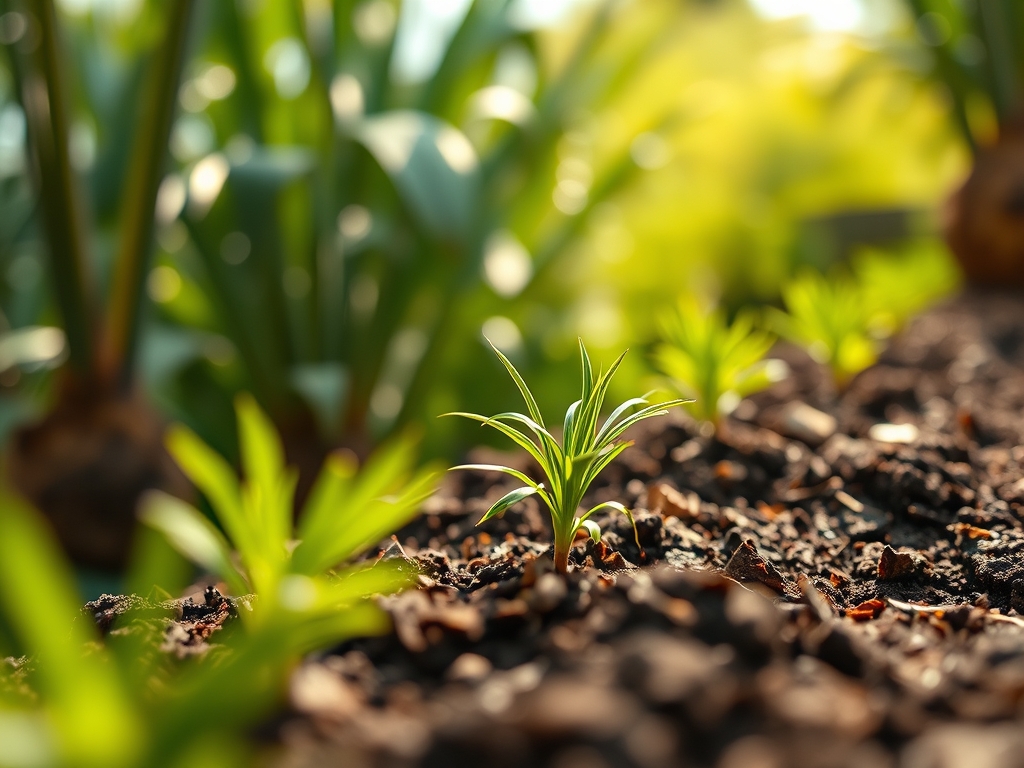
10 Expert Steps to Plant Palm Trees
The scent of damp, mineral-rich earth signals a successful transplant before the first shovel hits the ground. A healthy palm specimen exhibits high turgor pressure; its fronds should feel rigid and hydrated, not flaccid or brittle. Mastering the steps to plant palm trees requires more than digging a hole. It demands an understanding of root architecture and the specific metabolic needs of the Arecaceae family. You are moving a biological engine into a new environment. Success depends on minimizing transplant shock by maintaining the integrity of the root ball and ensuring immediate hydraulic connectivity with the surrounding soil. Most failures occur within the first ninety days due to improper depth or moisture stress. Precision in the early stages dictates the decadal health of the tree.
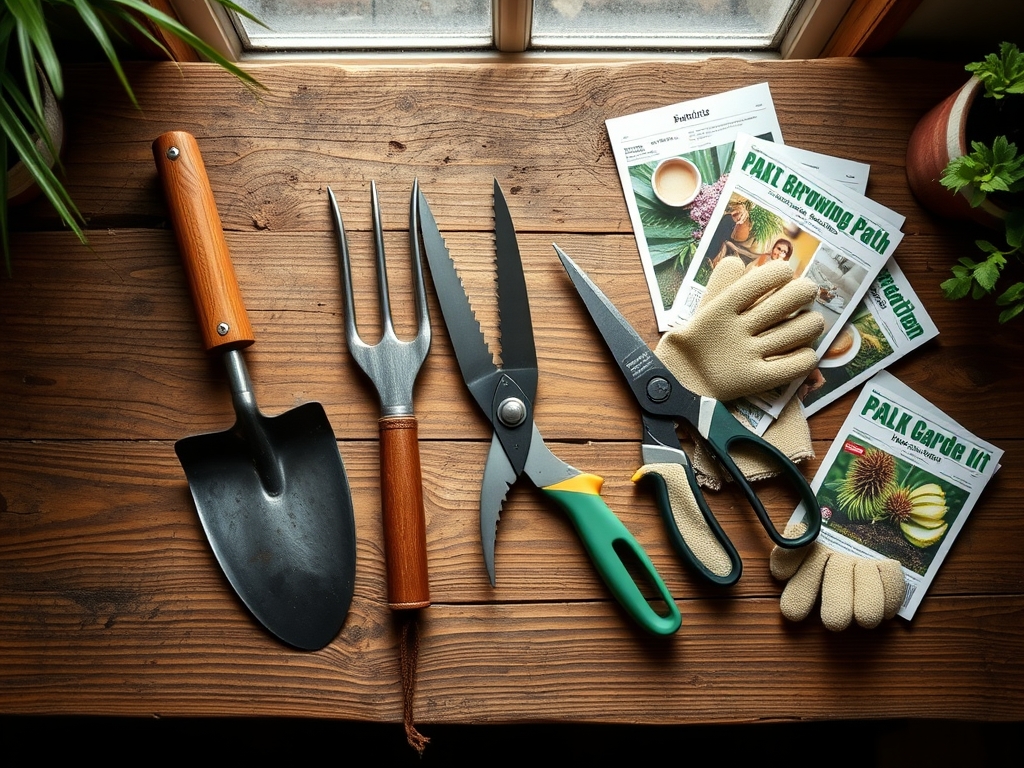
Materials:
The ideal substrate is a **friable loam** with a high sand content to facilitate rapid drainage. Palms are highly susceptible to root rot if the rhizosphere remains anaerobic. You must target a **soil pH between 6.0 and 7.0**. If the native soil is alkaline, sulfur amendments are necessary to prevent micronutrient lockout.
For the initial planting phase, avoid high-nitrogen fertilizers which can burn emerging root tips. Instead, use a controlled-release fertilizer with an NPK ratio of 8-2-12. This ratio provides the high potassium and magnesium levels palms require for frond development. Ensure the mix includes micronutrients such as Manganese (Mn) and Boron (B). The Cation Exchange Capacity (CEC) of your soil should be high enough to retain these nutrients against leaching, particularly in sandy coastal regions where heavy rainfall is common.
Timing:
Timing is dictated by the thermal requirements of root regeneration. Palms are most active when soil temperatures consistently exceed 70 degrees Fahrenheit (21 degrees Celsius). In USDA Hardiness Zones 8 through 11, the optimal window is late spring through early summer. Planting during the "Biological Clock" of active vegetative growth allows the tree to establish a root system before the metabolic slowdown of winter. Avoid planting within 60 days of the first expected frost. Cold soil induces dormancy, preventing the palm from repairing roots damaged during the transplant process. This leads to desiccation as the fronds continue to transpire water that the dormant roots cannot replace.
Phases:

Sowing and Site Selection
Select a site based on the specific photoperiod requirements of the species. A Phoenix canariensis requires full solar exposure, whereas a Rhapis excelsa thrives in filtered light. Dig a hole two times wider than the root ball but no deeper. The soil at the bottom of the hole must be firm to prevent settling.
Pro-Tip: Ensure the root flare is visible at the soil surface. Biological Why: Deep planting causes trunk rot and oxygen deprivation. Keeping the flare at the surface maintains the gas exchange necessary for the respiration of the root tissues.
Transplanting
Gently remove the palm from its container. If the specimen is field-grown and "balled and burlapped," do not remove the wire basket until the tree is positioned. Use a hori-hori knife to score any circling roots. This disrupts apical dominance in the root tips and encourages lateral branching into the new soil. Center the tree and backfill with native soil. Do not use heavy organic amendments in the hole, as this creates a "pot effect" where roots refuse to leave the rich pocket of soil.
Pro-Tip: Water the hole halfway through backfilling to eliminate air pockets. Biological Why: Direct contact between the soil particles and the root epidermis is essential for capillary action and the immediate uptake of water.
Establishing
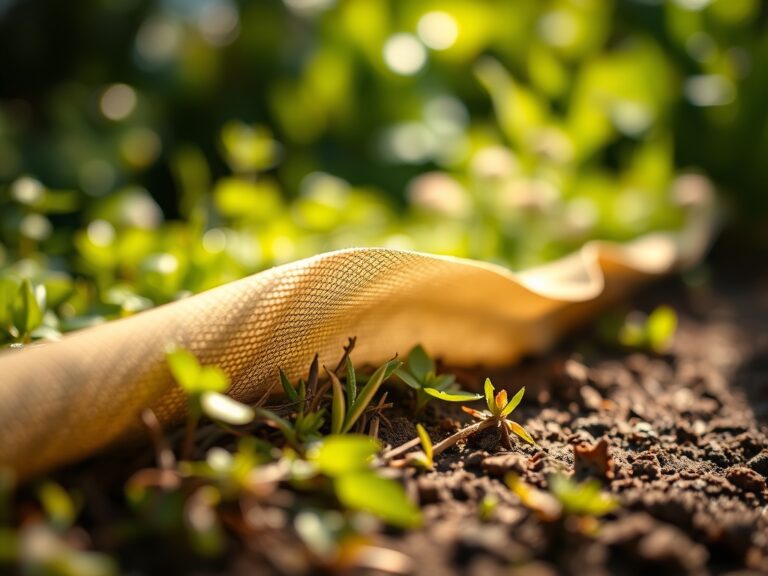
Secure the palm with wooden braces if it is over five feet tall. Do not nail braces directly into the trunk; use burlap padding to protect the vascular cambium. Apply a 3-inch layer of organic mulch around the base, keeping it six inches away from the trunk.
Pro-Tip: Leave the nursery ties on the crown for the first 30 days. Biological Why: This reduces the surface area exposed to wind and sun, lowering the transpiration rate while the root system is compromised. It protects the tender "heart" or apical meristem from environmental stress.
The Clinic:
Physiological disorders in palms often manifest in the oldest or newest fronds first, depending on the mobility of the nutrient.
- Symptom: Yellowing of the oldest fronds (Chlorosis).
- Solution: This indicates Nitrogen or Magnesium deficiency. Nitrogen is mobile; the plant moves it to new growth. Apply a magnesium-rich 8-2-12 fertilizer.
- Symptom: "Frizzle top" or distorted, necrotic new leaves.
- Solution: This is a Manganese deficiency, often caused by high soil pH. Apply manganese sulfate as a soil drench to lower the pH and increase nutrient availability.
- Symptom: Horizontal scarring or "pencil-pointing" of the trunk.
- Solution: This is a sign of severe water stress or past nutrient deprivation. Ensure consistent irrigation of 1.5 inches of water per week during the growing season.
Fix-It: For acute Nitrogen chlorosis, a foliar spray can provide a rapid boost, but long-term correction requires soil-based granular applications to stabilize the rhizosphere.
Maintenance:
Precision irrigation is the cornerstone of palm health. Use a soil moisture meter to check the top 6 inches of soil. During the first six months, provide 1.5 inches of water per week delivered at the drip line. This encourages the roots to expand outward.
Pruning should be minimal. Use bypass pruners for small palms and a pole saw for taller specimens. Only remove fronds that have turned completely brown. Green fronds, even those that are drooping, are still actively photosynthesizing and providing carbohydrates to the root system. Removing green fronds weakens the tree and can attract pests. Sterilize your tools with a 10 percent bleach solution between trees to prevent the spread of vascular pathogens.
The Yield:
While most palms are grown for structural aesthetics, species like the Phoenix dactylifera (Date Palm) provide a caloric yield. Harvesting occurs when the fruit reaches the "Tamr" stage, where moisture content drops to about 20 percent. For ornamental palms, the "yield" is the annual increase in trunk caliper and frond count. To maintain "day-one" freshness in the landscape, remove spent flower stalks before they go to seed. This redirects the plant's energy from reproductive output back into vegetative structural growth.
FAQ:
How deep should I dig the hole for a palm tree?
Dig the hole exactly as deep as the root ball and twice as wide. Planting too deep suffocates the roots and leads to trunk rot. The top of the root ball must be level with the surrounding soil grade.
How often should I water a newly planted palm?
Water daily for the first two weeks. Gradually reduce frequency to three times a week for the next two months. Use a moisture meter to ensure the soil stays damp but not saturated to avoid anaerobic conditions.
What is the best fertilizer for palms?
Use a slow-release fertilizer with an 8-2-12 NPK ratio. It must contain supplemental magnesium and micronutrients like manganese. Apply it at the drip line every three months during the active growing season for optimal health.
Can I plant a palm tree in the winter?
It is not recommended. Palms require soil temperatures above 70 degrees Fahrenheit for root growth. Planting in winter increases the risk of desiccation and death because the roots cannot take up water in cold, dormant conditions.