7 Best Sustainable Plant Shops for Green Living
The smell of fresh compost hits differently when you know it came from local waste streams, not from a plastic bag trucked across three states. Walking into the best sustainable plant shops feels like entering a different ecosystem entirely: peat-free potting mixes line reclaimed wood shelves, while native perennials root themselves in biodegradable containers made from coconut coir and mushroom mycelium. These retailers prioritize closed-loop systems, regenerative sourcing, and cultivars that demand fewer inputs once established in your garden.
Materials
Sustainable plant shops distinguish themselves through substrate composition and container choice. Look for potting mixes with a pH between 6.0 and 7.0, blended from aged bark, compost, and perlite instead of sphagnum peat. Peat extraction destroys wetland ecosystems that sequester carbon at rates rivaling tropical rainforests. A quality peat-free mix provides adequate cation exchange capacity while supporting beneficial microbe populations.
Fertilizer protocols at these shops lean toward slow-release organic amendments. A balanced 4-4-4 organic meal derived from feather meal, bone meal, and kelp delivers nitrogen, phosphorus, and potassium in forms that require microbial breakdown. This gradual release prevents nutrient leaching into groundwater. Shops committed to sustainability also stock mycorrhizal inoculants, which colonize root systems and extend nutrient uptake by up to 700 percent compared to non-inoculated plants.
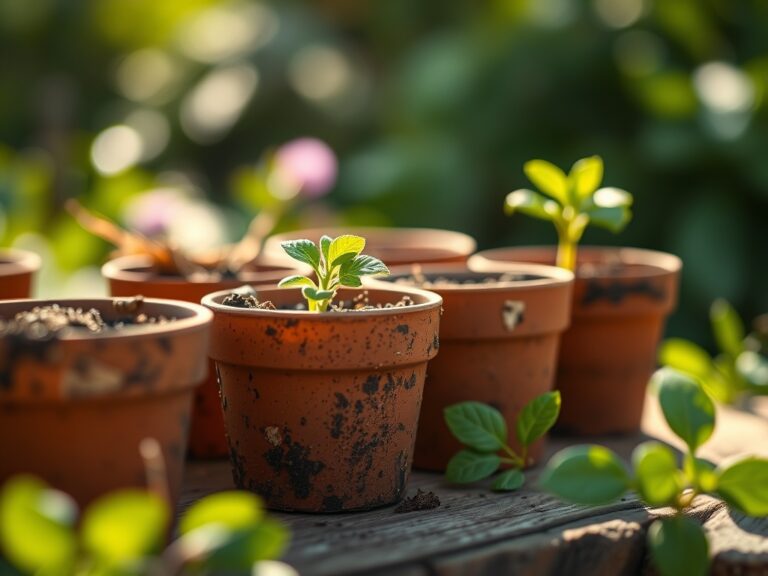
Container materials matter. Biodegradable pots made from rice hulls or wood fiber decompose within 90 days in soil, eliminating transplant shock caused by root circling. Retailers who offer plant swaps or pot return programs close the loop further, keeping polypropylene nursery containers out of landfills where they persist for centuries.
Timing
Hardiness zones dictate when to introduce new plants into your landscape. The best sustainable plant shops maintain inventories matched to regional climate patterns. In USDA Zones 5 through 7, spring transplanting occurs two weeks after the last average frost date, typically mid-April through early May. Soil temperature should reach 50°F at a four-inch depth to ensure root establishment before summer heat stress.
For Zones 8 through 10, fall planting windows open in September and extend through November. Cooler air temperatures reduce transpiration stress while soil retains warmth from summer, encouraging root growth. Shops in these regions stock drought-tolerant native species that require minimal irrigation once established, reducing municipal water demand.
Perennials purchased in late summer can be held in their nursery containers for fall planting if root systems have not yet filled the pot. Check for circling roots by gently sliding the root ball out. If white root tips appear healthy and dispersed, the plant tolerates short-term holding.
Phases

Sowing
Direct sowing eliminates transplant shock and reduces plastic waste from seed trays. Prepare beds by incorporating a one-inch layer of finished compost into the top six inches of soil. Rake smooth, then broadcast seed according to packet density recommendations. Native wildflower mixes typically specify four to six seeds per square inch.
Pro-Tip: Mix fine seed with dry sand at a 1:4 ratio to improve distribution and prevent clumping. Sand provides visual contrast against dark soil, showing where you have already sown.
Transplanting
Dig planting holes twice the width of the root ball and equal in depth. Avoid deeper holes, which create settling pockets that trap water and suffocate roots. If the plant arrives in a biodegradable pot, score the sides with a knife to accelerate decomposition and prevent the container from wicking moisture away from roots.
Backfill with native soil rather than amended mixes. Plants adapt faster to surrounding conditions when the transition zone remains consistent. Tamp gently to eliminate air pockets, then water with one gallon per plant to settle soil particles around root hairs.
Pro-Tip: Apply mycorrhizal inoculant directly to root surfaces during transplanting. Granular formulations deliver 150 propagules per gram, establishing symbiosis within 14 days.
Establishing
First-season care determines long-term resilience. Water deeply once per week, delivering 1.5 inches measured in a rain gauge or straight-sided can. Deep watering encourages roots to grow downward rather than laterally near the surface where they remain vulnerable to drought.
Mulch with two to three inches of shredded hardwood bark or leaf mold, keeping material two inches away from stems to prevent crown rot. Organic mulches suppress weeds, moderate soil temperature swings, and decompose into humus that improves soil structure.
Pro-Tip: Prune perennials at a 45-degree angle one-quarter inch above an outward-facing bud. Angled cuts shed water and direct auxin distribution toward buds that produce open, well-ventilated growth.
Troubleshooting
Symptom: Chlorotic leaves with green veins indicate iron deficiency. Solution: Test soil pH. If above 7.5, sulfur application at two pounds per 100 square feet lowers pH over 90 days, increasing iron availability.
Symptom: Wilting despite moist soil suggests root rot from Phytophthora species. Solution: Improve drainage by incorporating coarse sand at 30 percent by volume. Remove affected plants and avoid replanting susceptible species in that location.
Symptom: Distorted new growth with sticky residue signals aphid infestation. Solution: Spray insecticidal soap at two-percent concentration, covering leaf undersides where aphids cluster. Repeat every five days for three applications.
Symptom: Powdery white coating on leaf surfaces indicates fungal infection. Solution: Apply neem oil at one-percent concentration early morning or late evening to prevent leaf burn. Increase air circulation by thinning dense growth.
Maintenance
Established native perennials require minimal intervention. Fertilize once annually in early spring with a top-dressed layer of compost at one-half inch thickness. This delivers slow-release nutrients and introduces beneficial organisms that outcompete pathogens.
Deadhead spent blooms by cutting stems back to the first set of full leaves. This redirects energy from seed production into root development. Leave final fall blooms intact; seed heads provide winter food for finches and sparrows.
Divide clumping perennials every three to five years when the center dies out. Use a sharpened spade to cut through root masses in early spring, replanting divisions at the same depth they previously grew.
FAQ
What certifications indicate a truly sustainable plant shop?
Certified B Corporation status and membership in the Sustainable Sites Initiative demonstrate third-party verified environmental commitments beyond marketing claims.
Do native plants always require less water?
Once established after two growing seasons, native species adapted to your region typically need supplemental water only during droughts exceeding 30 days without rain.
Can I compost biodegradable plant pots at home?
Yes, if your compost pile reaches 140°F for five consecutive days. Lower temperatures require 180 days for complete breakdown.
How do I verify peat-free potting mix claims?
Read ingredient labels. True peat-free mixes list coconut coir, aged bark, or composted wood fiber as the primary component by volume.
What defines a native plant?
Species present in a region before European colonization, typically pre-1500s. These plants co-evolved with local pollinators, soil microbes, and climate patterns.