10 Engaging Ways How to Design a Sensory Garden
The scent of damp humus and the distinct snap of a leaf with high turgor pressure define the technical success of a landscape. Learning how to design a sensory garden requires moving beyond aesthetics to prioritize physiological responses in both the plant and the observer. You must engineer an environment where the rhizosphere thrives and the stomata remain open. Success is measured by the structural integrity of the cell walls and the chemical complexity of the volatile organic compounds released into the air.
Materials:
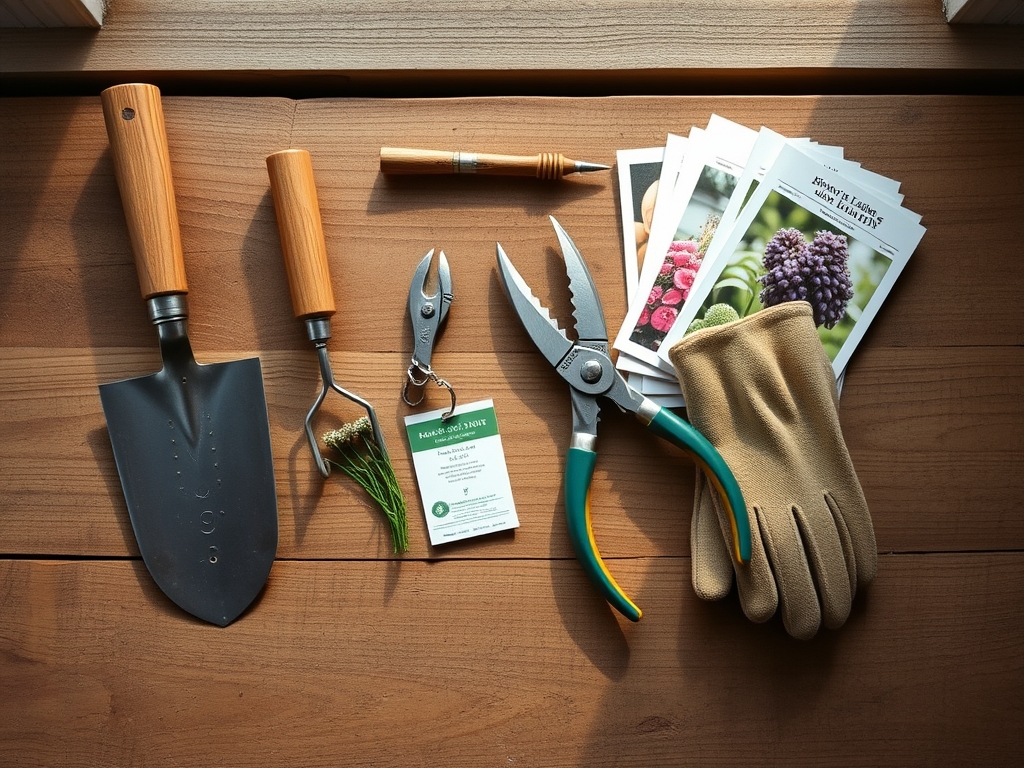
The foundation of a sensory space is the substrate. For tactile and olfactory plants, aim for a friable loam with a Soil Cation Exchange Capacity (CEC) between 15 and 25 meq/100g. This ensures the soil can hold and release essential cations like potassium and magnesium.
Maintain a soil pH between 6.2 and 6.8 to maximize nutrient bioavailability. Use specific NPK ratios to drive desired plant responses. For aromatic herbs like Lavandula, utilize a 5-10-10 fertilizer to encourage essential oil production without triggering excessive, weak vegetative growth. For high-impact visual foliage, a 10-10-10 balanced ratio supports steady nitrogen uptake for chlorophyll synthesis. Ensure the substrate has a bulk density of approximately 1.3 g/cm3 to allow for adequate gas exchange and root penetration.
Timing:
Successful installation depends on aligning with the local photoperiod and thermal windows. In Hardiness Zones 5 through 7, the primary planting window opens when soil temperatures consistently reach 55 degrees Fahrenheit. This temperature threshold triggers the transition from dormancy to the vegetative stage.
The "Biological Clock" of the garden is governed by vernalization requirements and day-length sensitivity. Early spring planting allows for robust root establishment before the summer solstice. As the photoperiod lengthens, plants move from the vegetative phase to the reproductive stage. You must time your installation so that sensitive species reach full establishment before the heat of July induces senescence or heat stress.
Phases:

Sowing and Germination
Direct sow seeds that require high light levels for germination, such as Digitalis. Ensure the seed-to-soil contact is absolute. Maintain a consistent moisture level in the top 0.5 inches of soil to prevent the delicate radicle from desiccating.
Pro-Tip: Monitor for phototropism by ensuring even light distribution. If seedlings lean excessively, they are over-producing auxins on the shaded side of the stem, leading to structural instability and "leggy" growth.
Transplanting and Root Integration
When moving nursery stock into the ground, excavate a hole twice the width of the root ball. Ensure the root flare is level with the soil surface to prevent stem rot.
Pro-Tip: Inoculate the planting hole with mycorrhizal fungi. This symbiotic relationship expands the root surface area, significantly increasing the plant's ability to uptake phosphorus and water through hyphal networks.
Establishing the Canopy
As the garden matures, focus on structural pruning to allow airflow. This reduces the humidity within the microclimate, preventing fungal pathogens from colonizing the leaf surfaces.
Pro-Tip: Use apical dominance to your advantage. By pinching off the terminal buds of certain aromatic plants, you suppress auxin flow down the stem. This encourages lateral branching and a denser, more tactile plant habit.
The Clinic:
Physiological disorders often mimic disease but are usually rooted in environmental or nutritional imbalances.
Symptom: Interveinal chlorosis on young leaves.
Solution: This indicates an Iron (Fe) deficiency, often caused by high soil pH. Apply chelated iron and lower the pH using elemental sulfur to reach the 6.5 target.
Symptom: Blossom end rot or necrotic leaf tips.
Solution: This is a Calcium (Ca) deficiency. It is often a result of inconsistent irrigation rather than a lack of soil calcium. Ensure the plant maintains steady transpiration to move calcium through the xylem.
Symptom: Purple tinting on the underside of older leaves.
Solution: Phosphorus (P) deficiency. This occurs frequently in cold, wet soils where P becomes chemically locked. Apply a water-soluble high-phosphate fertilizer to bypass soil binding issues.
Fix-It: Nitrogen Chlorosis
If the entire plant turns a pale lime green, it lacks Nitrogen (N). Apply a blood meal or urea-based fertilizer to quickly restore chlorophyll density.
Maintenance:
Precision is the hallmark of a master horticulturist. Provide 1.5 inches of water per week delivered at the drip line. Avoid overhead irrigation to prevent leaf scorch and pathogen spread. Use a soil moisture meter daily to ensure the root zone remains between 20% and 40% volumetric water content.
Utilize a hori-hori knife for deep weeding to ensure the entire taproot is removed without disturbing the surrounding rhizosphere. For woody perennials, use bypass pruners to make clean, slanted cuts that shed water and heal quickly. Always disinfect tools with a 70% isopropyl alcohol solution between plants to prevent the mechanical transmission of viruses.
The Yield:
Harvesting for sensory impact requires precise timing. For aromatic flowers, harvest in the early morning after the dew has evaporated but before the sun reaches its zenith. This is when the concentration of essential oils and terpenes is at its peak.
Use a sharp blade to minimize tissue trauma. For edible sensory elements, immediately submerge the stems in 40-degree Fahrenheit water to maintain turgor pressure and slow the metabolic rate. This "cold chain" management preserves the crispness and chemical profile of the harvest for "day-one" freshness.
FAQ:
What is the best soil for a sensory garden?
A well-draining friable loam with a pH of 6.2 to 6.8 is ideal. Ensure the Cation Exchange Capacity (CEC) is high enough to retain nutrients like potassium and calcium for robust plant health.
How do I increase the scent of my garden?
Scent is driven by volatile organic compounds. Maintain adequate phosphorus levels and avoid over-applying nitrogen, which creates watery, scentless growth. Ensure plants receive at least six hours of solar radiation to stimulate oil production.
Which plants are best for a tactile experience?
Select species with high epidermal diversity. Stachys byzantina offers soft, trichome-heavy leaves; while Sedum species provide thick, succulent textures. Ensure these plants are placed in well-aerated soil to prevent root rot in high-traffic areas.
How often should I water a sensory garden?
Provide 1.5 inches of water per week at the base of the plants. Use a soil moisture meter to ensure the root zone does not drop below 20% moisture, preventing wilting and loss of leaf turgor.