9 Classic Ways How to Design a Rose Parterre
Success in the garden begins with the scent of decomposing organic matter and the tactile resistance of a leaf under high turgor pressure. When you understand how to design a rose parterre, you are not merely arranging flowers; you are engineering a high-performance ecosystem. A parterre is a formal garden construction where symmetrical beds are separated by gravel paths or low boxwood hedging. This design requires precision in soil chemistry and structural geometry to ensure that the Rosa genus thrives within a confined, aesthetic framework. You must balance the aesthetic demand for symmetry with the biological requirements of the rhizosphere. Proper execution depends on managing the Cation Exchange Capacity (CEC) of your soil to ensure that heavy-feeding roses can access essential micronutrients during their peak metabolic periods.
Materials:
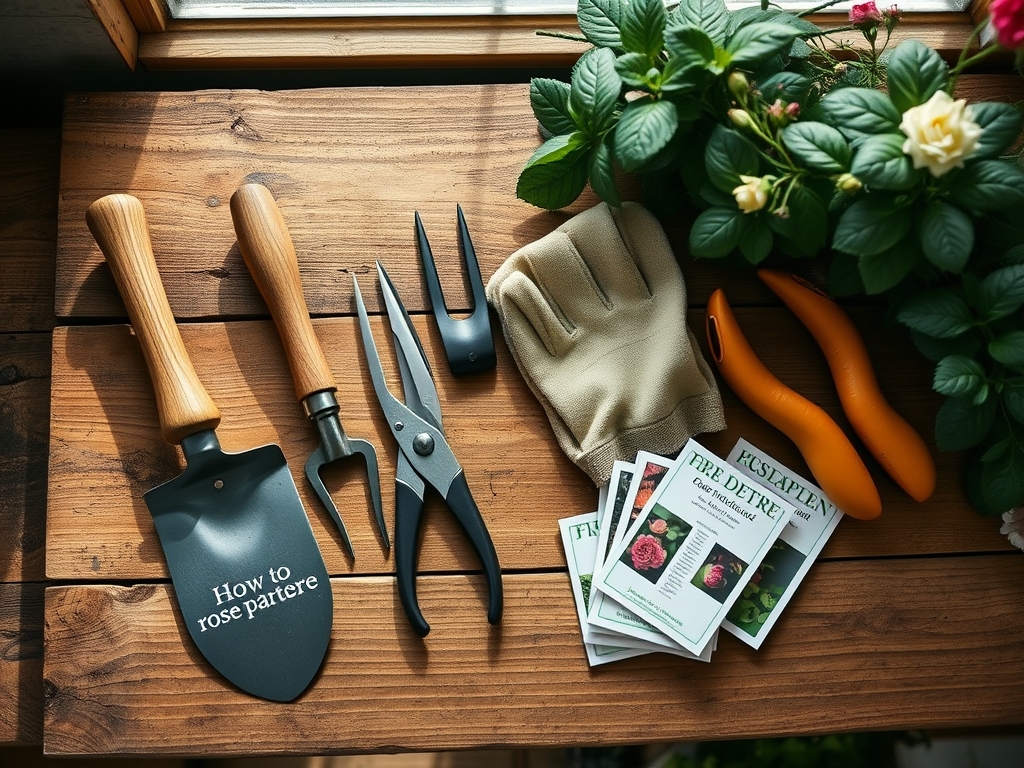
The foundation of a rose parterre is the substrate. Roses require a friable loam with a high concentration of organic matter to facilitate drainage while maintaining moisture. Aim for a soil pH between 6.0 and 6.5. If your pH is below 5.5, aluminum toxicity can occur; if it is above 7.5, iron becomes chemically locked and unavailable to the plant.
For the initial planting phase, utilize a fertilizer with an NPK ratio of 5-10-5 to prioritize root development over leaf mass. Once established, transition to a 10-10-10 balanced formula. You will also need Buxus sempervirens (Boxwood) or Ilex crenata for the framework. These should be planted in a trench amended with bone meal to provide a steady release of phosphorus. The hardscape requires crushed granite or pea gravel at a depth of 3 inches to suppress weeds and provide the necessary contrast for the parterre pattern.
Timing:
The biological clock of a rose is dictated by the photoperiod and soil temperature. In Hardiness Zones 5 through 8, the ideal window for installation is early spring, specifically 4 to 6 weeks before the last predicted frost. At this stage, the plant is transitioning from dormancy to the vegetative stage.
Soil temperature should consistently reach 45 degrees Fahrenheit (7 degrees Celsius) before transplanting bare-root specimens. This ensures that the roots can initiate cellular respiration and nutrient uptake before the heat of summer triggers high transpiration rates. If you are planting in autumn, ensure the roses have at least 6 weeks to establish a root system before the ground freezes to prevent frost heaving, which can physically eject the root ball from the soil.
Phases:
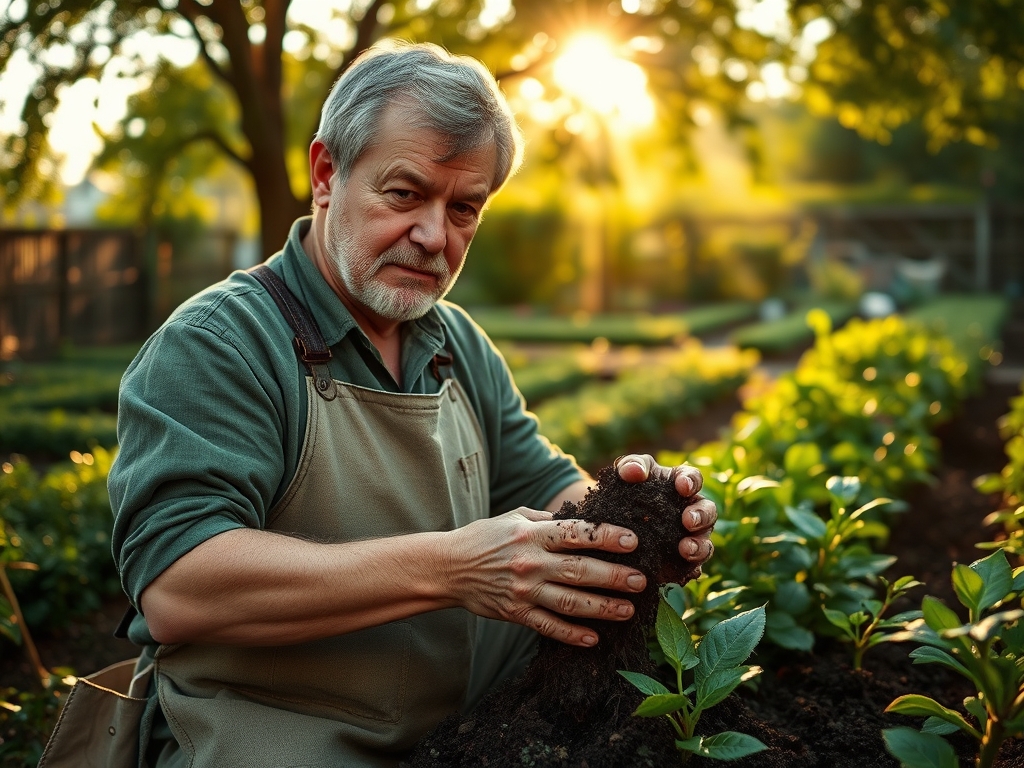
Sowing and Layout
While roses are rarely grown from seed in a parterre, the "sowing" of the design involves precise measurement. Use stakes and masonry twine to mark the geometric centers. Excavate the beds to a depth of 18 inches. This depth allows for the incorporation of aged manure and compost, increasing the soil's ability to hold cations like calcium and magnesium.
Pro-Tip: Utilize the principle of geotropism. When setting the structural hedging, ensure the trench floor is level. Even a slight incline can cause water to pool at one end, leading to anaerobic conditions that suffocate the beneficial aerobic bacteria in the rhizosphere.
Transplanting
When placing your roses, dig a hole twice as wide as the root system. Spread the roots over a central mound of soil. This prevents "circling roots" which can eventually girdle the plant. Position the graft union (the bulge where the rose variety meets the rootstock) 1 to 2 inches below the soil line in colder climates to protect it from terminal freeze damage.
Pro-Tip: Apply a mycorrhizal inoculant directly to the damp roots. This creates a mycorrhizal symbiosis, where fungal filaments extend the reach of the root system by up to 100 times, significantly increasing the uptake of phosphorus and water.
Establishing
The first 90 days are critical for establishing hydraulic lift. Water the plants deeply to encourage roots to grow downward rather than staying near the surface. Maintain a 2-inch layer of wood chip mulch, keeping it 3 inches away from the main stem to prevent fungal pathogens from colonizing the bark.
Pro-Tip: Practice auxin suppression by pruning the apical buds of the structural boxwood hedging. This disrupts apical dominance and forces the plant to redirect auxins to lateral buds, resulting in a thicker, denser hedge that defines the parterre's geometry.
The Clinic:
Physiological disorders often mimic infectious diseases. Accurate diagnosis is the first step in remediation.
-
Symptom: Interveinal chlorosis (yellow leaves with green veins) on new growth.
Solution: This indicates an iron deficiency, often caused by high soil pH. Apply chelated iron as a foliar spray for immediate relief and adjust soil pH with elemental sulfur. -
Symptom: "Blind wood" (stems that fail to produce a flower bud).
Solution: This is often caused by low light intensity or fluctuating temperatures. Ensure the parterre receives at least 6 to 8 hours of direct solar radiation daily. -
Symptom: Marginal leaf burn.
Solution: This typically results from "salt burn" due to over-fertilization. Flush the soil with 3 to 5 gallons of water per square foot to leach excess salts from the root zone.
Fix-It: Nitrogen Chlorosis
If the oldest leaves are turning a uniform pale yellow, the plant is scavenging nitrogen to support new growth. Apply a high-nitrogen liquid fertilizer (such as fish emulsion) to provide a rapid boost of bioavailable nitrogen.
Maintenance:
Precision maintenance defines the longevity of a parterre. Use a soil moisture meter to ensure the substrate remains at 60% to 70% field capacity. Roses generally require 1.5 inches of water per week delivered at the drip line to avoid wetting the foliage.
Use a hori-hori knife to remove deep-rooted weeds without disturbing the delicate rose surface roots. Pruning should be performed with sharp bypass pruners to ensure clean vascular cuts that heal quickly. In late winter, prune roses back by one-third, cutting at a 45-degree angle approximately 1/4 inch above an outward-facing bud. This directs growth away from the center of the plant, improving airflow and reducing the risk of powdery mildew.
The Yield:
Harvesting roses for display requires timing based on the sepals. For maximum vase life, harvest when the sepals have unfolded and the petals are just beginning to unfurl from the bud. Use a sharp knife to cut the stem at a 45-degree angle to maximize the surface area for water uptake.
Immediately submerge the stems in 110-degree Fahrenheit (43 degrees Celsius) water. This "hardening off" process removes air bubbles from the xylem, ensuring the flower maintains high turgor pressure. Store the cut flowers in a cool, dark location for two hours before moving them to a decorative arrangement. This post-harvest handling ensures "day-one" freshness for up to 7 to 10 days.
FAQ:
How much sun does a rose parterre need?
A rose parterre requires a minimum of 6 to 8 hours of full sun daily. Insufficient light leads to weak stems, reduced flower production, and increased susceptibility to fungal pathogens due to lingering moisture on the foliage.
What is the best mulch for a formal parterre?
Use finely shredded bark or dark compost. Avoid light-colored mulches that reflect too much heat upward. Maintain a depth of 2 to 3 inches to suppress weeds and regulate soil temperature without suffocating the rhizosphere.
How do I prevent my boxwood hedge from dying?
Ensure excellent drainage and avoid overhead irrigation. Boxwoods are susceptible to Phytophthora root rot in waterlogged soils. Maintain a soil pH between 6.5 and 7.2 and prune annually to allow for internal airflow.
When should I fertilize my roses?
Apply a balanced fertilizer in early spring as new growth emerges. Repeat the application after the first major bloom cycle. Cease all fertilization 6 to 8 weeks before the first frost to prevent soft, frost-vulnerable new growth.