6 Pro Tips How to Fix Underwatering Droop
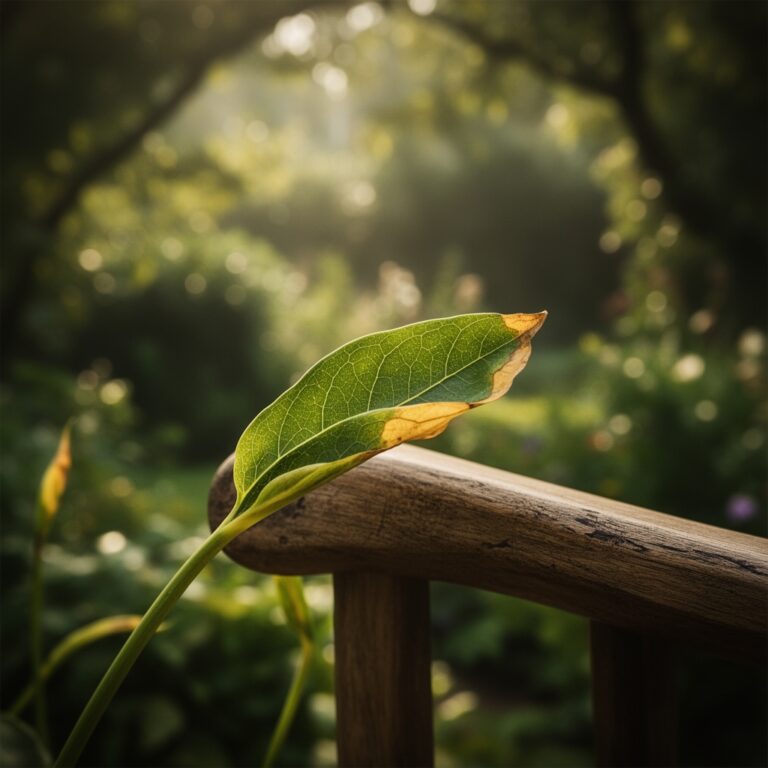
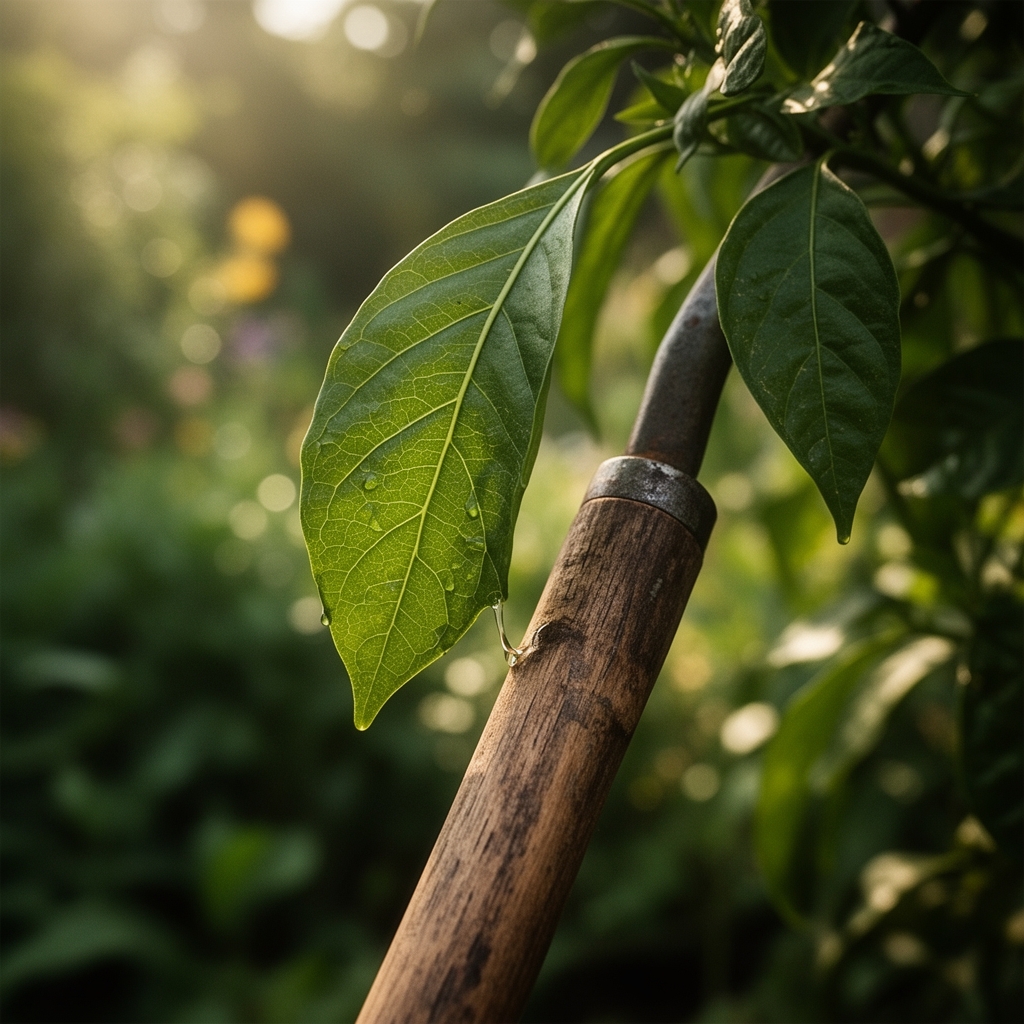
The first sign of underwatering droop appears as a soft, downward curl at the leaf margins, followed by a loss of turgor pressure that makes stems bend rather than snap. Leaves may feel papery instead of plump. Learning how to fix underwatering droop requires understanding the difference between wilting from moisture deficit and wilting from root disease. Drought stress triggers abscisic acid production in roots, which signals stomatal closure and halts auxin distribution to growing tips. The recovery protocol depends on soil type, container volume, and ambient vapor pressure deficit.
Materials
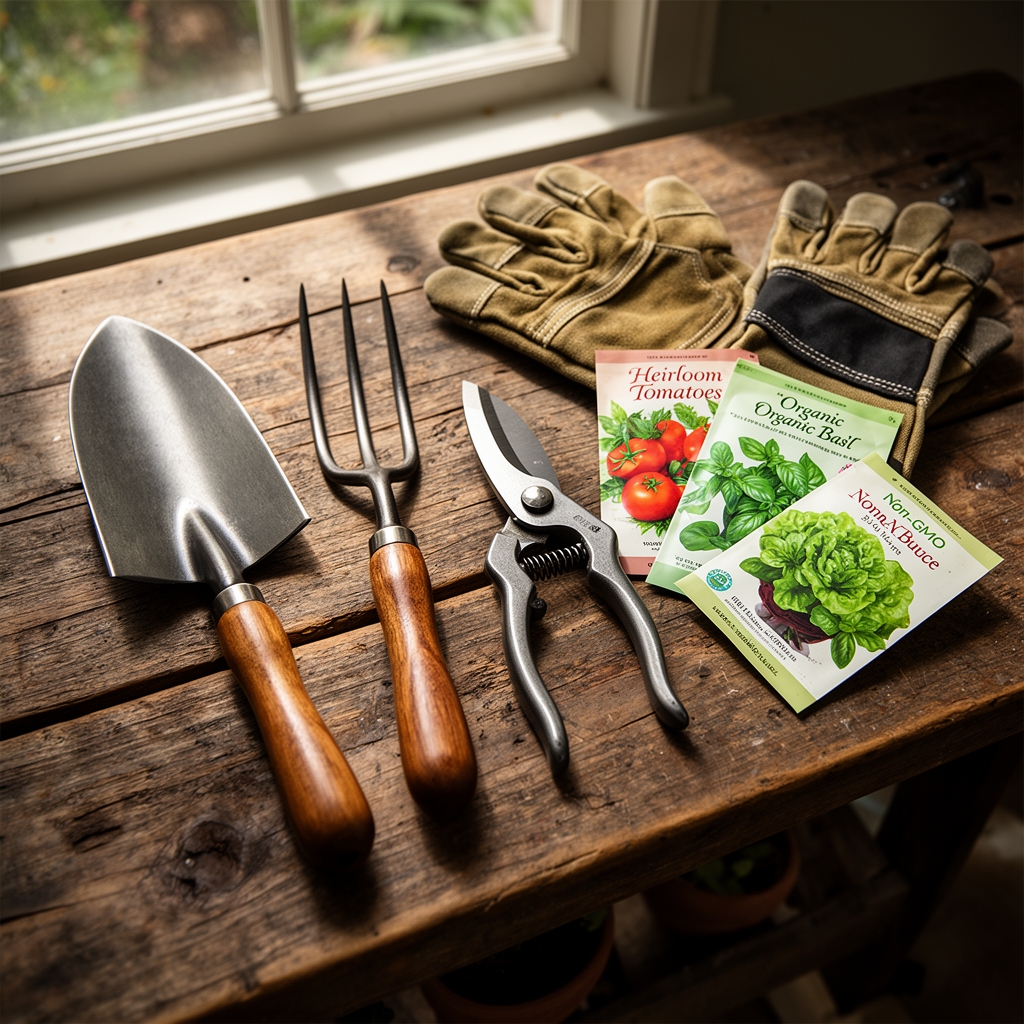
Select a balanced liquid fertilizer with an NPK ratio of 5-5-5 or 3-1-2 for recovery feeding. Organic fish emulsion (typically 5-1-1) provides immediately available nitrogen without salt accumulation. For soil pH adjustment, keep dolomitic lime on hand for substrates testing below 6.0, or elemental sulfur for readings above 7.5. A soil moisture meter with a 6-inch probe eliminates guesswork. Mycorrhizal inoculant containing Rhizophagus irregularis establishes symbiotic relationships that extend effective root surface area by 40 to 60 percent. Use potting mix with a cation exchange capacity (CEC) of at least 10 meq/100g for container plants. Compost aged 12 months or longer improves water-holding capacity without introducing phytotoxic compounds. Perlite or pumice at 15 to 25 percent by volume increases drainage while maintaining moisture distribution in the rhizosphere.
Timing
In USDA Hardiness Zones 3 through 7, address underwatering droop in early morning when stomata naturally open and xylem tension is lowest. Zones 8 through 11 benefit from evening rehydration during summer months when daytime temperatures exceed 85°F. Avoid corrective watering within two weeks of first frost date, as saturated roots are more vulnerable to freeze damage. Spring recovery efforts should begin 14 days after last frost when soil temperatures stabilize above 50°F at 4-inch depth. Root systems demonstrate maximum water uptake capacity when substrate temperatures range from 65 to 75°F.
Phases

Immediate Rehydration Phase
Water at the soil surface in a circular pattern 2 inches from the stem base. Apply water slowly at a rate of 8 ounces per minute for a 1-gallon container, scaling proportionally for larger volumes. Stop when runoff appears from drainage holes. Wait 15 minutes, then water again with half the initial volume to fill newly opened micropores. Leaves should regain turgidity within 90 minutes if vascular tissue remains undamaged.
Pro-Tip: Add 1 tablespoon of humic acid per gallon of water during the first rehydration. Humic substances increase cell membrane permeability and improve nutrient chelation in drought-stressed roots.
Soil Structure Assessment Phase
Remove plant from container 24 hours after initial watering. Examine root ball for hydrophobic zones where water beads on the surface rather than penetrating. Break apart compacted root masses with fingers, removing any circling roots thicker than pencil lead. Hydrophobic peat-based media requires a surfactant such as yucca extract at 1 ml per gallon. Repot in fresh substrate if more than 30 percent of the root zone has become water-repellent.
Pro-Tip: Score the outer 1/4 inch of root ball with a sterile blade in four vertical lines before repotting. This technique forces lateral root emergence within 7 to 10 days.
Rebuilding Vigor Phase
Reduce light intensity by 30 percent for 72 hours post-recovery to minimize transpirational water loss. Resume normal light exposure gradually over 5 days. Apply diluted fertilizer at one-quarter strength (1-1-1 NPK equivalent) beginning one week after rehydration. Prune any foliage that remains desiccated after 5 days, cutting at a 45-degree angle 1/4 inch above the nearest node.
Pro-Tip: Foliar spray with 200 ppm kelp extract on day three and day seven. Cytokinins in kelp promote cell division in meristematic tissue and accelerate canopy recovery.
Troubleshooting
Symptom: Leaves regain turgor but develop brown margins within 48 hours.
Solution: Salt accumulation from previous fertilization. Leach soil with distilled water at three times container volume, then resume watering with dechlorinated water.
Symptom: Lower leaves yellow and drop after rehydration.
Solution: Ethylene production from root stress. Improve air circulation to 60 CFM per 100 square feet of growing space and reduce ambient humidity below 60 percent.
Symptom: Stems remain limp despite moist soil.
Solution: Vascular collapse from cavitation. Prune affected stems back to firm tissue. New growth will emerge from dormant buds in 14 to 21 days.
Symptom: Fungal growth on soil surface post-watering.
Solution: Overcompensation with excess moisture. Allow top 2 inches of substrate to dry completely. Apply Trichoderma harzianum at label rates to outcompete saprophytic fungi.
Maintenance
Water when the top 1 inch of soil feels dry to touch, typically every 3 to 4 days for 1-gallon containers in 70°F ambient conditions. Deliver 0.25 gallons per 1 gallon of container volume per irrigation event. Install drip emitters rated at 0.5 GPH for automated systems. Monitor substrate EC weekly, maintaining readings between 1.0 and 2.0 mS/cm. Fertilize every 14 days with a complete fertilizer at 150 ppm nitrogen. Increase watering frequency by 25 percent when relative humidity drops below 40 percent.
FAQ
How long does it take to fix underwatering droop?
Most plants regain turgor within 2 to 3 hours if vascular tissue remains intact. Full physiological recovery requires 5 to 7 days.
Can I water with ice cubes?
No. Ice causes localized root temperature drop below 40°F, damaging root hairs and reducing hydraulic conductivity for weeks.
Should I mist drooping leaves?
Misting provides temporary cosmetic improvement but does not address root zone moisture deficit. Focus on soil rehydration.
How do I prevent future underwatering?
Install a tensiometer or capacitance sensor set to alert when soil moisture drops below 25 percent of field capacity.
Is bottom watering better for recovery?
Bottom watering through capillary action takes 3 to 4 times longer than top watering and may leave upper root zones dry. Use top watering for faster recovery.